
How To
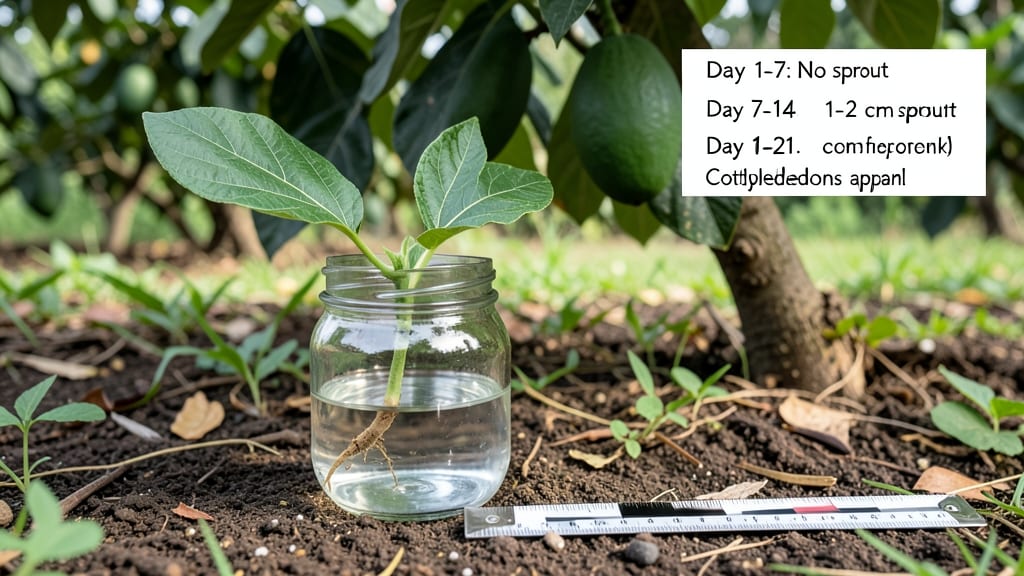
Avocado seeds take anywhere from 2 to 8 weeks to sprout, depending on conditions like moisture, temperature, and seed health 🥑 — but knowing the exact timeline helps you stay patient and avoid common mistakes.
Picture this: you’ve planted your seed, kept it moist, and placed it in a warm spot, only to wonder if it’s ever going to break through. The wait can feel endless, especially when you’re checking daily for that first sign of life.
In reality, the process is all about creating the right environment. Too much water drowns the seed, while too little leaves it dormant. Temperature swings can stall germination, and even the health of the seed itself plays a role.
Below, I’ll walk you through the week-by-week stages of sprouting, how to speed up the process, and what to watch for so you don’t give up too soon.
Avocado seed sprouting timeline: week-by-week breakdown of growth stages
Understanding the avocado seed sprouting timeline helps you set realistic expectations and troubleshoot delays. While most seeds sprout within 2 to 8 weeks, factors like temperature, moisture, and seed health can shift this window significantly.
For example, a seed kept in 70-85°F with consistent moisture may sprout in as little as 2 weeks, while cooler conditions or dried-out seeds can extend this to 10+ weeks.
Your seed’s journey begins the moment it cracks open—a sign the root has broken through. This stage is critical because it’s your first clue that germination is underway.
If you’re impatient, resist the urge to disturb the seed; gentle humidity and indirect light are your best allies during these early days.
Here’s a detailed breakdown of what to expect each week, along with the environmental factors that influence progress:
During Week 1, your seed is undergoing a silent transformation. The embryo root begins to push against the seed coat, but you won’t see any visible changes yet. This is why maintaining even moisture is critical—fluctuations can stall or even halt germination.
Place your seed in a clear jar with toothpicks to keep it suspended over water; this method ensures the base stays moist without drowning the seed.
By Week 2, you’ll notice the seed cracking open or a tiny white root emerging. This is your first sign of life! If the seed remains unchanged after 2 weeks, check for rot (a foul smell or mushy texture) and adjust your watering.
Overwatering is a common culprit for failed germination, so always use a container with drainage holes.
Once the root reaches 1-2 inches by Week 3, it’s time to introduce bright indirect light. Avoid direct sunlight at this stage, as young roots are sensitive to heat stress. If your seedling starts to lean toward the light, rotate the container gently to encourage even growth.
This is also when you’ll see the first sprout leaves, which look different from the true leaves that come later.
By Week 4, your seedling may produce its first true leaves, a sign it’s ready for slightly more care. Reduce watering frequency to prevent root rot, and gradually introduce morning sunlight
How to speed up avocado seed germination: proven tips to encourage faster sprouting
If you’re waiting for your avocado seed to sprout, the good news is you can influence the timeline with a few simple adjustments. While nature sets the 2-8 week window, creating the perfect environment can push germination toward the faster end of that spectrum.
The key lies in moisture, warmth, and patience—without letting the seed dry out or rot.
First, let’s address the biggest misconception: avocado seeds need consistent moisture, but not soggy conditions. Overwatering suffocates the seed, while too little leaves it dormant. Balance is everything, and I’ll show you exactly how to strike it.
Start by soaking your seed for 24-48 hours before planting—this kickstarts the hydration process and can shave days off your wait time.
- Soak seed for 24-48 hours in warm water to hydrate the seed coat.
- Use a humidity dome or plastic wrap to maintain moisture levels.
- Place the seed in a warm spot (70-85°F)—a sunny windowsill works best.
- Keep soil consistently moist (not soggy) by checking daily.
- Use a lightweight potting mix to avoid compacting the seed.
- Avoid direct sunlight until sprouts appear to prevent drying.
- Be patient—roots may emerge before shoots in the first 2-4 weeks.
Once your seed is soaked, plant it halfway into a small pot with well-draining soil. The top should remain exposed to air, which helps prevent rot. Place a humidity dome (like a plastic bag with holes) over the pot to trap moisture—this mimics the tropical conditions avocado seeds thrive in.
Check the soil every 2-3 days; it should feel damp but not wet to the touch.
Temperature plays a critical role in germination speed. Avocado seeds sprout fastest in warmth (70-85°F). If your home runs cooler, place the pot near a heat source like a sunny window or under a grow light.
Avoid cold drafts, which can stall growth entirely. Pro tip: A seedling heat mat (set to 75°F) can cut germination time by 30% in cooler climates.
Light is often overlooked, but indirect light is crucial during the early stages. Once your seed cracks open and a white root appears (usually 1-2 weeks in), you can introduce gentle sunlight for 2-3 hours daily.
Direct sun too soon can dry out the seed before it’s ready. After the first true leaves emerge, move the seedling to bright, indirect light for 6+ hours a day.
Finally, resist the urge to over-tinker. Avocado seeds are resilient, but they don’t respond well to frequent disturbances. Once planted, leave the seed alone unless the soil dries out or mold appears.
With the right conditions, you’ll see that first green sprout in as little as 2 weeks—sometimes even faster! 🌱