
Planting
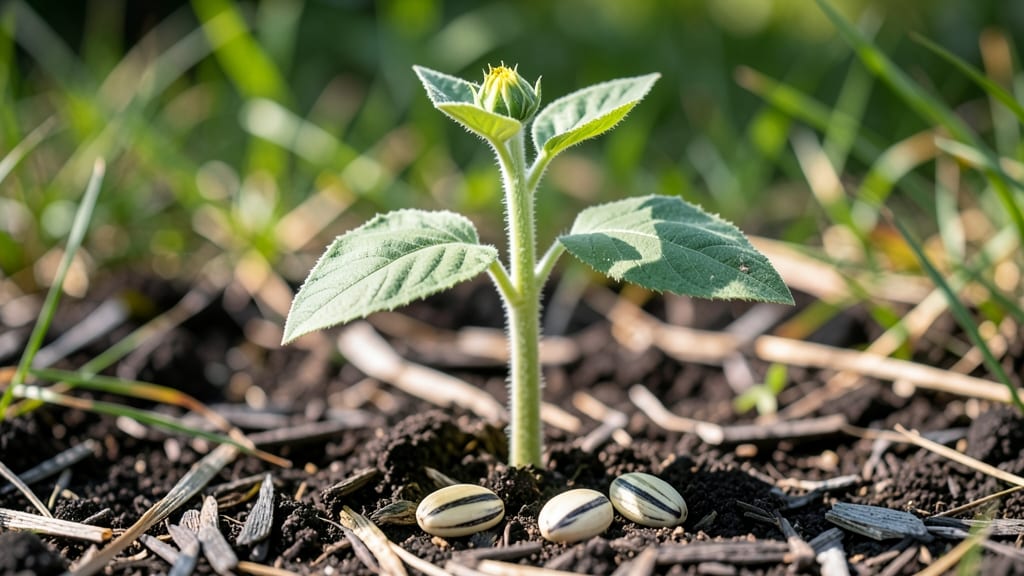
To plant sunflower seeds in the right direction means aligning them toward the south for maximum sunlight exposure—the key to those towering, vibrant 🌻 blooms you’re dreaming of.
Sunflowers thrive under the sun—but did you know planting them in the wrong direction could stunt their growth or even prevent them from blooming? The secret to towering, vibrant sunflowers lies in their orientation, and science-backed gardening principles reveal the best way to position them for success.
Most gardeners in USDA Zone 6a face their sunflowers south to capture the sun’s arc from morning to afternoon, ensuring strong stems and abundant blooms. If you’re planting in spring, this simple adjustment can mean the difference between a 4-foot plant and one that reaches 12 feet or more.
Below, I’ll walk you through the exact steps to plant your sunflower seeds in the right direction, including adjustments for different climates and common mistakes to avoid. Let’s get those seeds growing straight toward the sun!
Why facing south maximizes sunflower growth and blooming potential
Sunflowers are nature’s solar panels, and their growth depends heavily on sunlight exposure. When planted facing south in the Northern Hemisphere, they receive the most consistent sunlight throughout the day, which directly impacts their photosynthesis efficiency and overall health.
This orientation ensures the sun’s rays hit the plant’s leaves and flowers at optimal angles, maximizing energy absorption and nutrient production.
The science behind sunflower orientation lies in how sunlight distribution affects their development. Sunflowers follow the sun’s movement—a behavior called heliotropism. When facing south, young plants track the sun from east to west, ensuring their flower buds receive direct light, which is critical for blooming.
Without proper orientation, stems may grow weak or flowers may fail to open fully.
Here’s how sunlight direction impacts key growth factors:
Sunflowers need at least 6 hours of sunlight daily, but 8+ hours yields the best results. When planted facing south, they receive the longest exposure to the sun’s highest intensity rays between 10 AM and 4 PM—peak photosynthesis hours.
This translates to 30-50% more energy production compared to east- or west-facing plants, which miss critical afternoon sunlight.
The angle of sunlight also matters. In the Northern Hemisphere, the sun arcs from the southeast in the morning to the southwest in the afternoon. A south-facing orientation ensures the plant’s canopy captures sunlight evenly, preventing shaded spots where mold or weak growth can develop.
This is especially important for tall varieties, like ‘Mammoth’ or ‘Russian Giant’, which can grow over 12 feet tall.
Moisture retention is another benefit of south-facing planting. The sun’s heat helps evaporate excess moisture from leaves, reducing the risk of fungal diseases like powdery mildew. However, this also means you’ll need to water deeply in the morning to compensate for faster evaporation.
A 1-inch layer of mulch around the base helps retain soil moisture while keeping roots cool.
For container-grown sunflowers, position pots on a south-facing balcony or deck. If your space is limited, use a reflective surface, like a white wall or mirror, to redirect sunlight onto the plant.
This mimics the effect of a larger garden bed and can boost growth by up to 20% in urban settings.
Even dwarf varieties, like ‘Teddy Bear’ or ‘Sunspot’, benefit from south-facing placement. While they don’t grow as tall, they still need full sun to produce vibrant blooms.
Planting them too far north can result in smaller flowers and weaker stems, as they won’t receive enough direct light to support their growth.
If you’re in a region with intense afternoon heat, like the Southwest U.S., consider providing light shade after 2 PM to protect leaves from scorching. However, always prioritize morning sun—it’s essential for stimulating flower bud formation.
Remember, sunflowers are phototropic, meaning they grow toward light. If you notice your plants leaning or bending, it’s a sign they’re not getting enough light from one direction. Adjust their position or rotate containers to ensure even growth.
With the right orientation, your sunflowers will reward you with bold blooms and towering stems that turn every garden into a sunlit masterpiece. 🌻
Step-by-step guide: how to plant sunflower seeds in the correct direction
Planting sunflower seeds in the correct direction ensures they receive maximum sunlight throughout the day, which is crucial for their growth and blooming. In the Northern Hemisphere, this means positioning them to face south.
This simple adjustment helps their stems grow straight and strong while maximizing photosynthesis for vibrant blooms.
Before you begin, gather your essential tools: sunflower seeds, a small shovel or trowel, a measuring tape, gardening gloves, and a south-facing compass or smartphone app to confirm direction. Clear the planting area of weeds and loosen the soil to a depth of 6 inches for optimal root development.
How to Plant Sunflower Seeds Facing South
- Mark the direction: Use a compass or app to identify true south. In the Northern Hemisphere, this is where your sunflowers should face.
- Create rows: Dig shallow furrows 1 inch deep and 6 inches apart, running east-to-west (perpendicular to the south-facing direction).
- Plant seeds: Place seeds 1 inch apart in the furrow, pressing them lightly into the soil. Cover with 1/4 inch of soil.
- Water gently: Mist the soil with water to keep it moist but avoid over-saturating, which can cause seeds to rot.
- Thin seedlings: Once sprouts reach 2-3 inches tall, thin them to 12-18 inches apart to prevent overcrowding.
- Stake tall varieties: For varieties over 6 feet tall, insert stakes or cages early to support their growth as they lean toward the sun.
For container gardening, place pots in a location where they’ll receive 6+ hours of sunlight daily, ideally facing south. Use large containers (at least 12 inches deep) with drainage holes to accommodate their deep roots.
If your space is limited, opt for dwarf varieties like 'Teddy Bear' or 'Moulin Rouge,' which thrive in smaller containers.
Adjustments are needed for Southern Hemisphere gardeners—here, seeds should face north instead. In equatorial regions, where sunlight is more evenly distributed, orientation matters less, but facing east or west can still optimize morning or afternoon sun exposure.
Always monitor your sunflowers’ growth and adjust their position if they start leaning excessively.
Common mistakes include planting seeds too deep (which delays germination) or overcrowding (leading to weak stems). If your sunflowers lean too much, gently reposition the pot or stake them to encourage upright growth. With the right direction and care, your sunflowers will reach their full towering potential and bloom beautifully.
Remember, sunflowers are phototropic, meaning they naturally grow toward light. By planting them correctly, you’re giving them the best chance to thrive and reward you with stunning, sun-filled blooms all season long. 🌻