
How To
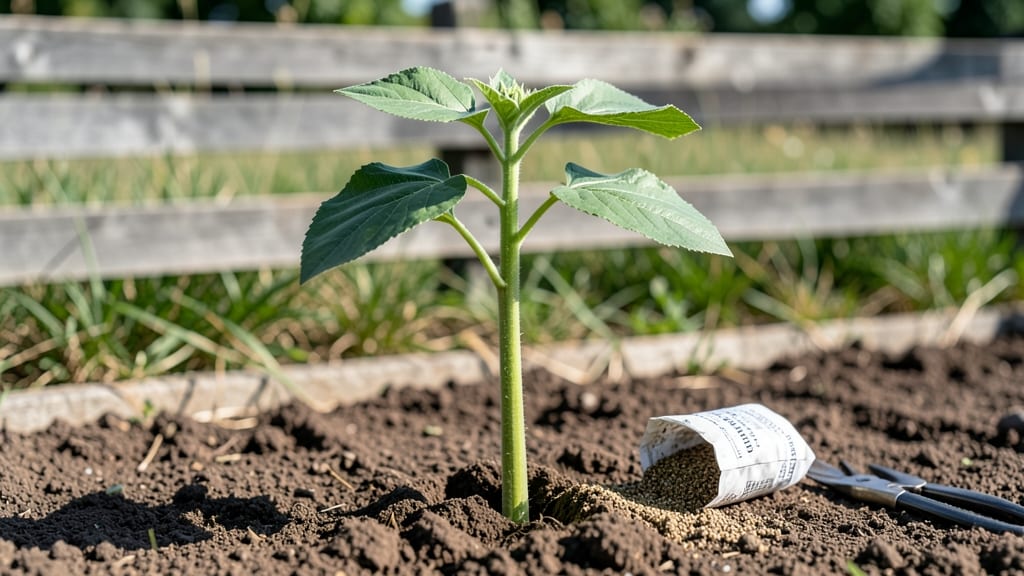
To plant sunflower seeds for towering blooms, start with the right depth, spacing, and soil prep — these three factors determine whether your 🌻 grows into a 10-foot giant or a floppy disappointment.
Picture this: you’ve waited all winter for spring, and now the seed packet is in your hand. But here’s the catch — plant them too shallow, and they’ll dry out before sprouting.
Too deep, and they’ll struggle to reach the surface. Even the most eager gardener can sabotage their first batch with a simple misstep.
Sunflowers thrive in USDA Zone 6a when planted between April and May, but the real magic happens in the soil. Loose, well-draining earth paired with 1 inch of depth and 6 inches of spacing gives roots the room they need to anchor those 3-to-16-foot stalks.
In this guide, I’ll walk you through every step — from choosing the perfect spot to troubleshooting early-stage issues like overcrowding or weak sprouts. By the end, you’ll know exactly how to plant sunflower seeds for a garden that turns heads and attracts pollinators all summer long.
Optimal sunflower seed planting depth and spacing for maximum growth
Sunflowers thrive when planted with precision—getting the depth and spacing right ensures strong roots and towering blooms. Too shallow or crowded, and you risk weak stems or competition for sunlight.
Let’s dig into the science-backed methods that guarantee success, whether you’re growing giant varieties like 'Mammoth' or compact 'Teddy Bear' sunflowers.
For optimal growth, sunflower seeds should be planted at a depth of 1 inch (about 2.5 cm) in well-draining soil. This depth balances moisture retention with oxygen flow, preventing rot while encouraging quick germination.
In cooler climates (USDA zones 3-5), slightly deeper planting—up to 1.5 inches—can help protect seeds from early frost and uneven soil temperatures.
Spacing is equally critical. Standard sunflowers need 12-24 inches between plants to prevent overcrowding, while dwarf varieties can thrive with just 6-12 inches of space. Proper spacing ensures each plant gets adequate sunlight exposure and airflow, reducing disease risk and promoting robust stems capable of supporting those iconic blooms.
Regional adjustments matter—sunflowers in hot, dry climates (like the Southwest U.S.) benefit from wider spacing (36 inches) to conserve soil moisture. Meanwhile, in humid areas, closer spacing (12 inches) can work if you prioritize airflow to combat fungal diseases like powdery mildew.
Before planting, prepare your soil by loosening it to a depth of 12 inches to encourage deep root growth. Mix in compost or aged manure to enrich the soil with nutrients, but avoid over-fertilizing—sunflowers prefer leaner soil to prevent floppy stems.
If your soil is heavy clay, amend it with sand or perlite to improve drainage and prevent waterlogging.
Timing your planting is just as important as depth and spacing. In most regions, sow seeds 2-3 weeks after your last frost date, when soil temperatures consistently reach 50°F (10°C).
For cooler climates, consider starting seeds indoors 4-6 weeks before transplanting outdoors. This head start ensures your sunflowers have enough time to mature before fall frost.
Once planted, maintain consistent moisture by watering deeply once a week, focusing on the soil around the base of the plant. Avoid overhead watering to prevent fungal diseases, and mulch with straw or wood chips to retain moisture and suppress weeds.
This simple step can boost germination rates by up to 30% in dry conditions.
Watch for signs of overcrowding, like yellowing leaves or stunted growth, which indicate plants are competing for resources. Thin seedlings to the recommended spacing as soon as they develop 2-3 true leaves.
This early intervention prevents root entanglement and ensures each plant has room to develop a strong taproot—critical for supporting those massive blooms.
Pro tip: If you’re growing sunflowers in containers, use large pots (12 inches wide) with drainage holes and plant one seed per container. This mimics the spacing needs of in-ground planting and prevents root-bound issues.
For container-grown sunflowers, water more frequently—every 3-5 days—since pots dry out faster than garden beds.
With the right depth, spacing, and soil prep, your sunflowers will reward you with vibrant blooms that attract pollinators and add cheer to your garden.
Whether you’re aiming for record-breaking heights or a charming dwarf display, these techniques ensure your sunflowers grow strong and healthy from the very first sprout.
Step-by-Step sunflower planting guide: from soil to sprout
Sunflowers thrive with the right timing and care, and planting them correctly ensures strong, straight stems and vibrant blooms. Whether you're growing giant 'Mammoth' varieties or compact 'Teddy Bear' sunflowers, these steps will set you up for success.
The key is preparing the soil, planting at the right frost-free date, and providing consistent moisture without overwatering.
Before you begin, check your last frost date—sunflowers are frost-sensitive and need warm soil to germinate. In most regions, this means waiting until mid-April to May. If you’re in a cooler climate, consider starting seeds indoors 4-6 weeks before transplanting to extend your growing season.
How to Plant Sunflower Seeds
- 🌱 Step 1: Choose Your Spot
- 🪴 Step 2: Prepare the Soil
- 🌱 Step 3: Plant the Seeds
- 💧 Step 4: Water Gently
- ☀️ Step 5: Thin and Support
Select a sunny location with 6-8+ hours of sunlight. Sunflowers need full sun to grow tall and strong. Avoid low-lying areas where cold air pools or water collects.
Loosen the soil to a depth of 12 inches with a garden fork or tiller. Mix in 2-3 inches of compost or well-rotted manure to improve drainage and fertility. Sunflowers prefer loamy, well-draining soil with a pH of 6.0-7.5.
Plant seeds 1 inch deep and 6 inches apart in rows spaced 18-24 inches apart. For giant varieties, thin seedlings to 12-18 inches apart once they reach 4-6 inches tall. Dwarf varieties can stay closer together (6-12 inches apart).
Water the soil thoroughly after planting to settle seeds and encourage germination. Keep the soil consistently moist (not soggy) until seedlings emerge, which typically takes 7-14 days. Avoid wetting the leaves to prevent damping-off disease.
Once seedlings are 4-6 inches tall, thin them to the desired spacing to reduce competition. For tall varieties, consider staking or using cages to prevent wind damage or flopping. Mulch around the base with straw or grass clippings to retain moisture and suppress weeds.
After planting, monitor your sunflowers for signs of damping-off, a fungal disease that causes seedlings to collapse. If you notice black stems at the base or wilting, improve air circulation by spacing plants further apart and avoid overhead watering.
Fertilize lightly with a balanced 5-10-10 fertilizer once seedlings have 2-3 true leaves to encourage strong growth.
Consistent care pays off—within 6-8 weeks, you’ll see those iconic sunflower buds forming. Keep an eye out for bird activity (they love sunflower seeds!) and consider using bird netting if you’re growing sunflowers for seed harvest.
With these steps, your sunflowers will grow into towering, pollinator-friendly giants that brighten your garden all season long. 🌻