
Transplanting
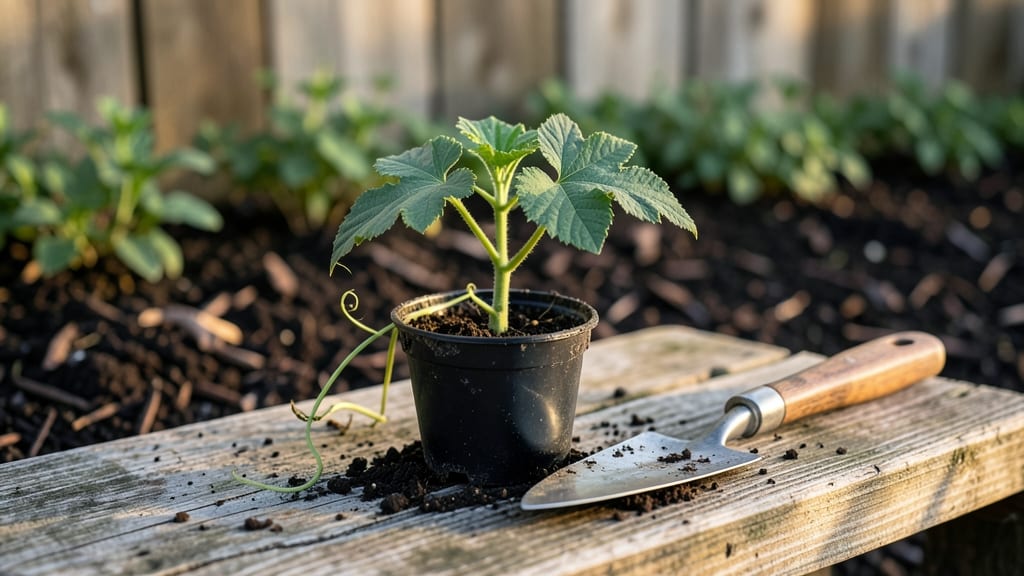
Transplant watermelon seedlings when soil temperatures hit at least 70°F (21°C) and all frost risk has passed—this is the sweet spot for strong root growth and fruit development.
Timing your watermelon seedlings' transplant just right can mean the difference between a bountiful harvest and wasted effort—especially when soil temperatures and frost risks are on the line.
In Zone 6 and similar climates, that usually lands in late April to early May, but cooler regions may need to wait until June. The key is checking soil warmth with a thermometer or planting a test crop like radishes.
Below, I break down the exact signs your seedlings are ready, how to harden them off properly, and the 3 common mistakes that kill transplants before they even take hold.


Ideal soil temperature for transplanting watermelon seedlings
Watermelons are heat-loving plants that thrive in warm soil, and transplanting too early can stunt their growth or even kill them. The minimum soil temperature for transplanting watermelon seedlings is 70°F (21°C), but the optimal range is between 75°F and 90°F (24°C-32°C).
Cool soil slows root development, delays flowering, and makes seedlings more susceptible to disease. Understanding these thresholds helps you time your transplant perfectly for a productive harvest.
In northern climates (Zones 3-6), soil may not warm up until late May or early June, while southern regions (Zones 7-11) can transplant as early as March or April. The key is monitoring soil warmth—not just air temperature—since soil heats up more slowly.
Using a soil thermometer is the most accurate way to check, but there are also DIY methods like pressing your hand into the soil to gauge warmth.
If your soil is below 70°F (21°C), your seedlings will struggle to establish roots, leading to poor growth and reduced fruit production. For example, in Zone 5, waiting until mid-June ensures soil is warm enough, while in Zone 9, you might start transplanting in early March.
Patience here pays off—rushing can turn your seedlings into wilted, stunted plants instead of vigorous vines.
🌱
Testing soil warmth is simpler than you think. A soil thermometer (available for under $10) gives precise readings, but if you don’t have one, try the hand test: Press your hand into the soil about 2-3 inches deep.
If it feels warm but not hot (like a cozy bath), it’s likely in the ideal range. For cooler climates, use black plastic mulch or clear plastic tunnels to raise soil temperatures by 5-10°F (3-6°C).
Cool soil doesn’t just slow growth—it also weakens seedlings' immune systems, making them vulnerable to fungal diseases like damping-off. In my Zone 6 garden, I once transplanted watermelons in early May when the soil was only 65°F (18°C).
The seedlings wilted within days, and I lost my entire crop. Since then, I’ve made it a rule to wait until the soil hits 72°F (22°C) before transplanting, even if it means delaying by a week or two.
Another critical factor is nighttime temperatures. Watermelons need consistent warmth, so if nights dip below 55°F (13°C), growth will stall. In northern regions, use row covers or cloches to protect seedlings until the soil is reliably warm.
For southern gardens, the opposite challenge arises: heatwaves can stress seedlings, so transplant on cloudy days or in the early morning to reduce shock.
If you’re unsure about your soil’s readiness, harden off your seedlings for 7-10 days before transplanting. This process acclimates them to outdoor conditions, including temperature fluctuations. Start by placing them in a shady spot for a few hours, then gradually increase their exposure to sun and wind.
By the time you transplant, they’ll be tougher and better equipped to handle the stress of moving to the garden.
Finally, remember that watermelon varieties differ in heat tolerance. Semi-bush varieties like 'Sugar Baby' or 'Crimson Sweet' adapt better to cooler soils than standard vining types like 'Charleston Gray'. Always check the seed packet or plant tag for specific recommendations.
For example, 'Sugar Baby' can tolerate slightly cooler soil (68°F/20°C), while 'Charleston Gray' needs at least 75°F (24°C).
☀️
Hardiness Zone-specific transplanting timeline for watermelons
Getting your watermelon seedlings into the ground at the right time is crucial—especially when you're dealing with frost risks and soil temperature variations across the U.S. Unlike cool-season crops, watermelons demand warmth, and transplanting too early can stunt growth or even kill your plants.
The key is aligning your last frost date with soil temperatures that support rapid root establishment.
Most gardeners wait until after the last frost and when soil temperatures consistently reach 70°F (21°C) or higher. But the exact timing varies wildly depending on your USDA hardiness zone.
In Zone 3, you might be scrambling to get seedlings in by early June, while Zone 11 gardeners can start as early as February. Let’s break down the zone-specific transplant windows to help you plan.
- 1 Zones 3-4: Transplant late May to early June after soil warms to 70°F+. Use row covers or black plastic mulch to accelerate warming.
- 2 Zones 5-6: Aim for mid to late May once nighttime temps stay above 55°F (13°C). Harden off seedlings for 7-10 days before transplanting.
- 3 Zones 7-8: Transplant early to mid-April in southern areas or late April in northern parts. Soil should be at least 65°F (18°C) for best results.
- 4 Zones 9-10: Start transplanting late February to early March for early varieties or March-April for later harvests. Use drip irrigation to manage heat stress.
- 5 Zone 11: Transplant year-round in microclimates, but focus on January-February for spring crops or August-September for fall harvests. Monitor humidity levels to prevent disease.
If you’re in a cooler zone (3-6), don’t panic if your transplant window feels too tight. Extend the season with row covers or a low tunnel greenhouse to raise soil temperatures by 5-10°F.
Even a simple black plastic mulch can warm the soil enough to jumpstart growth. Just remove covers once vines start spreading to avoid overheating.
For Zone 7-11 gardeners, the real challenge is often heat stress rather than frost. If daytime temps exceed 90°F (32°C), provide afternoon shade with shade cloth or mulch heavily to retain moisture. Watermelons need consistent warmth, but they’ll bolt or develop bitter fruit if stressed by extreme heat.
Pro tip: Use a soil thermometer to confirm temperatures before transplanting—don’t rely on air temps alone. And if your seedlings have 2-3 true leaves and sturdy stems, they’re ready to go, regardless of the calendar date. Timing is everything, but soil warmth and seedling readiness always win over rigid schedules.