
Companion Plants
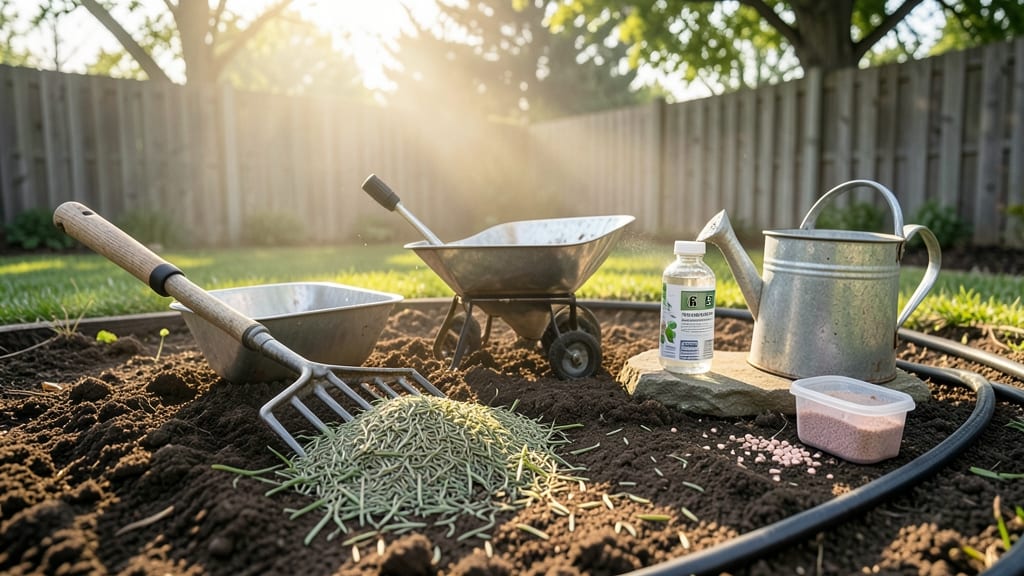
You can plant grass seed in the spring when soil temperatures hit 50°F and stay above 60°F for consistent growth—timing this right avoids the 3-month wait for a full lawn.
Timing your spring grass seed planting wrong can mean wasted money and months of waiting for a lush lawn—soil temperatures matter more than calendar dates. In Zone 6a, that’s typically mid-April, but a late frost or cold snap can push it back.
Cool-season grasses like Kentucky bluegrass need that 50-65°F range to germinate, while warm-season types like Bermuda prefer 65-75°F. Planting too early risks seed rot, while waiting too long delays your green thumb payoff.
Below, I break down the exact soil temp check, zone-by-zone planting windows, and a 5-step checklist to ensure your grass takes root fast—no guesswork, just results.
Best soil temperature ranges for planting grass seed in spring
Soil temperature is the single most critical factor for successful grass seed germination in spring—not the calendar date. Cool-season grasses like Kentucky bluegrass and fescue thrive when soil reaches 50-65°F, while warm-season types such as Bermuda and Zoysia need 65-75°F to sprout consistently.
Planting too early in cold soil risks seed rot, while waiting too long delays your lawn’s growth by weeks.
Most gardeners assume planting in March or April is safe, but without checking soil temps, they risk failure. For example, in Zone 5, soil may still be 40°F in early April—far below the 50°F threshold.
A simple soil thermometer (or even a moisture meter) can save you from wasted seed and frustration.
Here’s the science: Grass seed needs consistent warmth to activate enzymes that break down seed coats. Below 50°F, germination slows dramatically, and seeds may never sprout. Above 75°F, warm-season grasses struggle with heat stress, while cool-season types may bolt or develop weak roots.
Your local microclimate also plays a role. Shady areas warm up 5-10°F slower than sunny spots, so test multiple locations. For instance, a north-facing slope might need 2 extra weeks of waiting compared to a south-facing yard.
If you’re in a transition zone (Zones 5–8), consider planting cool-season grasses in early spring and warm-season types in late spring once soil hits 65°F.
For example, in Zone 6, I’ve seen tall fescue sprout in mid-April when soil was 55°F, but Bermuda grass only germinate by late May when temps reached 70°F.
Watch for weed emergence as a natural indicator—when dandelions and clover start popping up, your soil is likely 55°F+, a good sign for cool-season grasses. For warm-season types, wait until summer weeds like crabgrass appear, signaling 70°F+ soil.
Overwatering or planting in cold, wet soil can suffocate seeds. Aim for moist but not soggy conditions—think of a wrung-out sponge. After sowing, keep the soil consistently moist (about 1 inch of water per week) until germination.
A light mulch layer (straw or peat moss) helps retain moisture without smothering seeds.
For fastest results, pair your planting with a starter fertilizer (high in phosphorus) to boost root growth. I’ve seen grass sprout 3x faster when using a 10-20-10 blend at planting time. Just avoid heavy nitrogen—it burns tender seedlings.
Remember: Soil temperature > calendar date. Even if your neighbor plants in March, their south-facing yard may warm up weeks before yours. Test your soil for 2–3 days in the morning (when temps are lowest) to confirm readiness.
Once your grass reaches 3–4 inches tall, it’s time to mow—this signals strong roots and readiness for regular lawn care. 🌱
Spring planting schedule by US Hardiness Zone (with exact week calculations)
Your USDA Hardiness Zone determines the perfect spring planting window for grass seed—calculating it requires knowing both your last frost date and soil temperature trends.
In colder zones (3-5), you’ll plant 4-6 weeks before your last frost, while warmer zones (8-10) can start as early as February when soil hits 65°F.
Don’t rely on calendar dates—use a soil thermometer to confirm temperatures. For example, in Zone 7, soil should be 55-65°F for cool-season grasses like tall fescue, while warm-season Bermuda grass in Zone 9 needs 70°F+ soil.
Below, I’ll show you how to calculate your exact planting week using local data.
⏰ Your Zone’s Exact Planting Timeline
- Zones 3-4: Plant 4-6 weeks before last frost (typically late April) when soil reaches 50°F.
- Zones 5-6: Aim for early April (soil 55°F) or late March if mild. Cool-season grasses thrive here.
- Zones 7-8: Start by mid-March (soil 60°F); warm-season grasses like Zoysia can wait until May.
- Zones 9-10: Plant February-March (soil 65°F+75°F+ soil for best germination.
💡 Pro Tip: Check your local frost dates (USDA or Almanac) and subtract 4-6 weeks for cool-season grasses.
To calculate your exact week, start with your last frost date (find it via the USDA Plant Hardiness Zone Map or local agricultural extension). For cool-season grasses, subtract 4-6 weeks—this ensures seeds germinate before frost.
For warm-season grasses (like Bermuda or St. Augustine), wait until soil is 70°F+, usually late spring in most zones.
For example, if your last frost is April 15 (common in Zone 6), plant cool-season grass by March 15. Use a soil thermometer to confirm—if temps dip below 50°F, delay planting.
In Zone 9, where last frosts are rare, you can plant Bermuda grass in February if soil is warm enough.
Watch for soil warming trends in your area—some years, spring arrives early, while others bring late frosts. Signs your soil is ready: weeds sprouting, damp but not soggy soil, and consistent daytime temps above 60°F.
If you plant too early, seeds may rot; too late, and weeds outcompete your grass.
Once you’ve nailed your planting window, prepare your soil by removing debris, leveling low spots, and adding compost for nutrients. Water lightly daily (about ¼ inch) until germination, then increase to 1 inch per week for established growth.
With the right timing, you’ll see sprouts in 7-21 days, depending on grass type and conditions.