
Transplanting
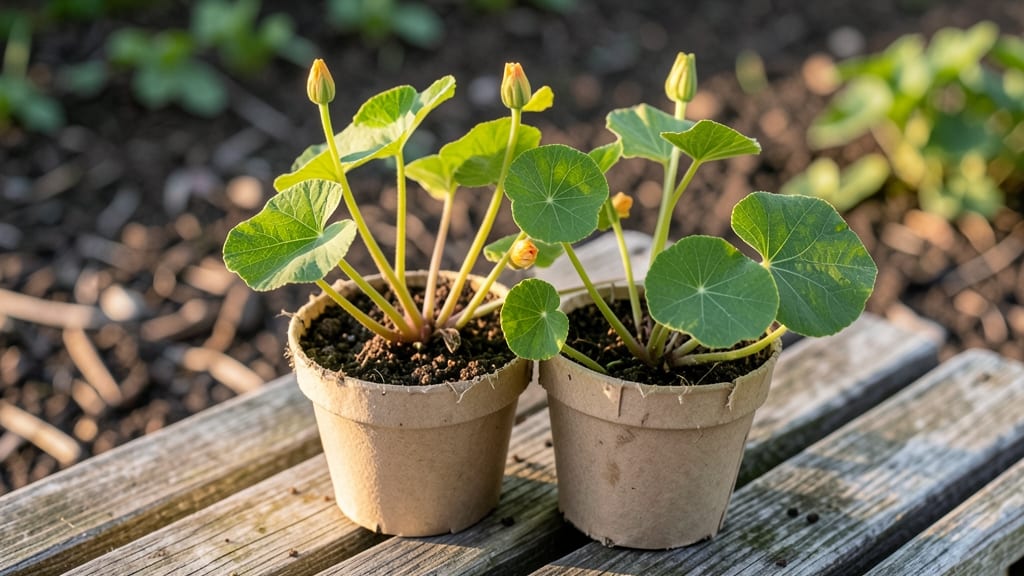
Transplanting nasturtium seedlings at the right time ensures they take root quickly and grow into those vibrant 🌸 blooms you love.
Nasturtium seedlings can be finicky—transplant too early, and they’ll wilt; wait too long, and they’ll become root-bound. Timing isn’t just about days or weeks—it’s about soil temperature, a critical factor that determines whether your seedlings thrive or struggle.
In USDA Zone 6a, aim for late April or early May after the last frost, when soil reaches at least 55°F. Warmer climates can transplant earlier, while cooler regions may need to wait until June. The key is balancing warmth and moisture to avoid shock.
Below, I’ll walk you through how to check soil temperature, spot signs of readiness, and harden off seedlings for a smooth transition—so your nasturtiums bloom stronger than ever.


Ideal soil temperature for transplanting nasturtium seedlings
Transplanting nasturtium seedlings at the wrong soil temperature can mean the difference between lush, vibrant plants and struggling survivors. These cool-season flowers thrive when the ground is warm enough to support root growth but not so hot that it causes transplant shock.
The sweet spot? 55°F to 65°F—a range that balances microbial activity and nutrient availability without stressing delicate roots.
Why does temperature matter so much? Nasturtiums are sensitive to cold soils, which slow microbial activity and nutrient uptake. Meanwhile, soils above 70°F can cause roots to dry out or even cook in extreme cases.
Think of it like Goldilocks—too cold, and growth stalls; too hot, and seedlings wilt. The key is finding that perfect middle ground for strong root establishment.
Testing soil temperature accurately is easier than you think. A soil thermometer is the gold standard—just insert it 2–3 inches deep (where roots will be) and wait 30 seconds for a reading. No thermometer? Try the finger test: Press your finger into the soil.
If it feels cool but not icy, it’s likely in the ideal range. For a more precise DIY method, use a glass jar filled with soil and water—if condensation forms quickly, the soil is too cold.
| Condition | Ideal Range | Risk if Outside Range | Action to Take |
|---|---|---|---|
| Soil Temperature | 55°F–65°F | Cold: Slow growth; Hot: Shock | Use mulch or shade cloth |
| Root Depth | 2–3 inches | Shallow: Weak roots; Deep: Overcrowded | Loosen soil before transplanting |
| Day Length | 10+ hours sunlight | Short days: Leggy growth | Choose sunny transplant window |
| Hardening Time | 7–10 days | Too short: Shock; Too long: Stunted | Gradually increase sun exposure |
Cooler soils below 50°F can cause nasturtium seedlings to develop blackened roots or yellow leaves—a sign of chilling injury. This happens because cold soils reduce oxygen availability, suffocating roots.
To warm up cold soil, lay down black plastic mulch a week before transplanting. It absorbs sunlight and raises temperatures by 5–10°F in just a few days.
On the flip side, soils above 70°F can cause transplant shock, where seedlings wilt dramatically despite adequate water. High temperatures increase transpiration rates, causing water loss faster than roots can absorb it.
If your soil is too warm, transplant in the early morning or late afternoon to avoid peak heat stress. Shade cloth can also buy you time until soil cools.
Regional differences matter too. In USDA Zone 5 or colder, wait until late May or early June when soils reliably warm up. In Zone 8 or warmer, early spring transplanting (March–April) works if you use shade cloth to protect seedlings from intense sun.
Always check local frost dates—transplanting too early risks a late frost, which can kill tender seedlings overnight.
Pro tip: If you’re unsure about soil temperature, opt for container gardening. Pots warm up faster than in-ground soil and give you more control over temperature. Fill containers with a well-draining potting mix and place them in a sunny spot.
This method is especially useful for gardeners in urban areas with microclimates or limited garden space.
Finally, remember that nasturtiums are fast growers once established. If you miss the ideal window, don’t panic—just adjust your approach. Use row covers to protect seedlings from cold snaps or drip irrigation to keep roots hydrated during heatwaves.
With the right temperature management, your nasturtiums will reward you with vibrant blooms all season long.
Signs your nasturtium seedlings are ready for transplanting (beyond temperature)
Beyond checking soil temperature, your nasturtium seedlings send clear signals when they’re ready to move outdoors. These visual and tactile cues help you avoid transplant shock while ensuring strong root establishment. I’ve learned to watch for three key indicators: leaf color, stem strength, and root development.
First, look for deep green, vibrant leaves that aren’t yellowing or curling. Pale or wilted foliage means your seedlings need more time indoors. I once transplanted seedlings with light green leaves—they struggled for weeks before recovering. Healthy leaves indicate the plant has built enough energy for the transition.
Next, gently grasp the seedling stems near the base. Ready seedlings have thick, sturdy stems that don’t snap easily. If stems bend or break under slight pressure, wait a few more days. I test this by pinching the stem between my thumb and forefinger—if it feels woody, it’s transplant-ready.
✅ 3 Key Signs Your Nasturtium Seedlings Are Ready
Deep green, firm, and free of yellowing
Woody texture; doesn’t snap when pinched
Root ball fills container; roots grow through drainage holes
To check root development, carefully remove the seedling from its container. Healthy roots should fill the root ball and may even grow through drainage holes. I use my fingers to gently tease apart the root mass—if it’s dense and white, the seedling is ready.
Avoid pulling roots apart forcefully, as this can damage delicate growth.
Preparing the new location is just as important as recognizing these signs. Amend the soil with compost or aged manure to improve drainage, and water the area thoroughly 24 hours before transplanting.
I always dig holes slightly larger than the seedling’s root ball to reduce stress. For nasturtiums, which thrive in well-draining soil, avoid compacted or clay-heavy areas.
Finally, transplant on a cloudy day or in the late afternoon to minimize stress from direct sunlight. Keep the soil consistently moist for the first week, as this helps roots establish quickly. I’ve found that mulching around the base with straw reduces moisture loss and keeps roots cool.
With these cues in mind, you’ll know exactly when your nasturtium seedlings are ready to thrive outdoors—no guesswork required! 🌸