
Plants
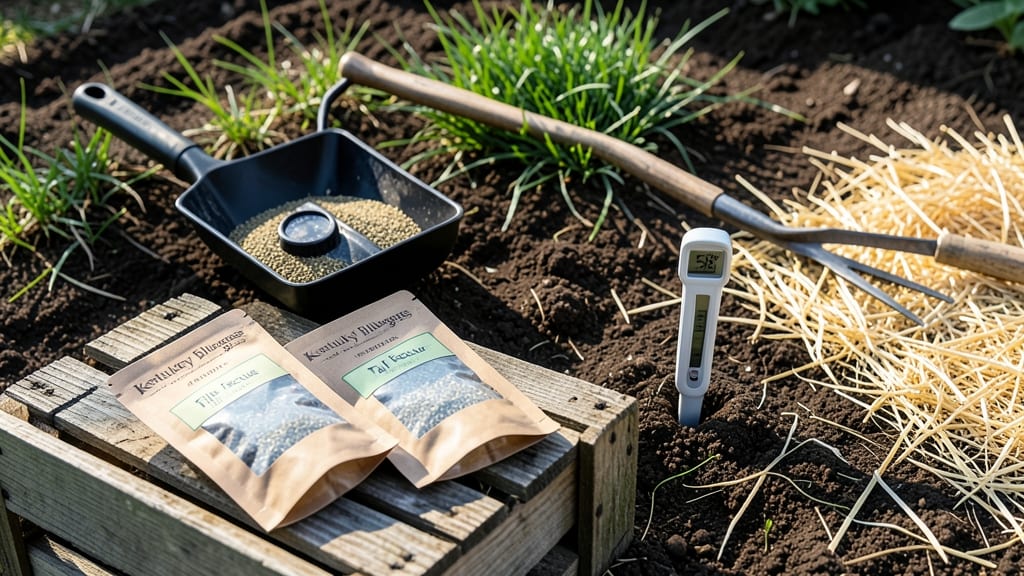
Planting grass seed in Denver at the right time means the difference between a lush, green lawn and a patchy, struggling mess 🌱 — and the best windows are early fall or late spring, when temperatures hover between 50–75°F.
Denver’s unpredictable climate—from scorching summers to early frosts—can make or break your lawn’s success. Planting grass seed at the wrong time means weak roots, patchy growth, or wasted money. But timing it right guarantees a resilient lawn that thrives year-round.
Most Denver gardeners swear by fall planting, when soil stays warm long enough for roots to establish before winter. Spring is a close second, but rushing it risks frost damage or drought stress.
Below, I’ll break down the exact months to aim for, soil prep tips for Denver’s unique conditions, and how to avoid common mistakes that derail even the best-laid plans.
You’ll also discover the ideal grass seed types for Colorado’s high-altitude climate, watering schedules that match Denver’s dry spells, and how to adjust for microclimates—because what works in one neighborhood might fail just a few blocks away.
Denver’s ideal grass seed planting window: months for maximum root development
Denver’s high-altitude climate creates a unique challenge for lawn success. The city’s 5,280-foot elevation and USDA zones 5b-6a mean frost can arrive as early as mid-October, while summer heat can linger into September.
To avoid weak roots and patchy growth, timing your grass seed planting is critical. The ideal window aligns with soil temperatures between 50–75°F, which promotes rapid root establishment before winter dormancy.
Most Denver gardeners achieve the best results by planting in late August through early October for fall seeding or early April to mid-May for spring. Fall planting is preferred because cooler temperatures reduce water stress, while spring planting risks early summer drought if seeds germinate too soon.
Let’s break down the optimal months and what makes them work for Denver’s climate.
⚠️ Key Insight: Planting too late in fall (after October 15) risks frost damage before roots establish, while spring planting after mid-May exposes seeds to heat stress and drought. Aim for 4–6 weeks before first frost for fall or 2–4 weeks after last frost in spring.
Fall planting in September is my top recommendation for Denver. During this month, daytime temperatures average 75–85°F, but nights cool quickly, creating perfect conditions for root establishment. Seeds germinate within 7–14 days, and roots grow aggressively before winter dormancy.
For example, Tall Fescue and Kentucky Bluegrass—both popular in Denver—thrive when planted in September because they establish 30–50% deeper roots compared to spring planting.
If you choose spring planting, focus on early April when soil temperatures stabilize above 55°F. Avoid planting after mid-May, as summer drought can dry out seeds before germination.
In my experience, spring-planted lawns in Denver often require 20% more water to compensate for evaporation, making fall planting more efficient.
Denver’s high-altitude microclimates can shift planting windows by 1–2 weeks. South-facing slopes warm faster and may support late-September planting, while north-facing areas or higher elevations (like Boulder County) should plant 2 weeks earlier to avoid frost.
Always check your specific zone’s last frost date—Denver’s average is October 15, but rural areas can frost as early as October 1.
For high-altitude adjustments, monitor soil temperatures with a soil thermometer. Plant when temps are consistently 50–75°F for 5+ days. In elevations above 6,000 feet, like Golden or Evergreen, shift planting 1 week earlier to account for cooler soils.
For example, if Denver proper plants in late September, these areas should aim for mid-September.
One common mistake Denver gardeners make is planting too late in fall (after October 1) or too early in spring (before April 15). Late fall seeds risk frost damage, while early spring seeds may germinate too soon and face heat stress or drought.
To avoid this, use a planting calendar tailored to Denver’s USDA Zone 5b-6a and adjust based on your microclimate.
Pro tip: Use a grass seed starter fertilizer with high phosphorus
How to prepare Denver soil for grass seed success before planting
Denver’s high-altitude climate and clay-heavy soils can turn grass seed planting into a gamble if you skip proper prep. The key to success? Testing soil pH, breaking up compacted layers, and adding organic matter before seeding.
Without these steps, your seeds may struggle to germinate or grow unevenly, leaving you with a patchy, weak lawn instead of the lush carpet you want.
Most Denver gardeners overlook the fact that our alkaline soils often have a pH above 7.5, which can stunt grass growth. Cool-season grasses like Kentucky bluegrass and fescue thrive in pH 6.0–7.5, so adjusting the soil is non-negotiable.
I’ll walk you through the exact steps to prepare your soil, including when to tackle this prep work to avoid erosion and maximize seedling success.
Timing your soil prep is just as critical as the work itself. For fall planting (the best window in Denver), start prepping 4–6 weeks before seeding—typically in early September.
If you’re planting in late spring, aim to finish soil prep by early April to give seeds time to establish before summer heat arrives. Rushing this step often leads to poor seed-to-soil contact and wasted seed.
Here’s the non-negotiable warning about Denver’s unique soil challenges:
⚠️ Denver Soil Pitfalls & Fixes
Problem: Alkaline pH (often 7.8+) and clay compaction block water and nutrients, causing seeds to fail. Solution: Test soil pH with a kit (available at local nurseries) and amend with sulfur or peat moss if pH >7.5. For clay, aerate 2–4 weeks before planting to prevent erosion.
Timing Trap: Prepping soil in late summer (July–August) risks erosion from heavy rains or wind. Fix: Wait until early fall (September) or spring (March–April) for stable conditions.
Weed Warning: Crabgrass and dandelions compete aggressively with new grass. Solution: Apply pre-emergent herbicide 2 weeks before seeding or hand-pull weeds 2 weeks after planting.
Start by testing your soil’s pH using a simple test kit from a garden center. Denver’s soils often test alkaline (pH 7.8+), which can lock out essential nutrients like iron and phosphorus.
If your soil is too alkaline, mix in elemental sulfur (follow package rates) or peat moss to lower the pH gradually. For every 0.5 pH point below 7.5, your grass will absorb nutrients more efficiently, leading to faster, stronger growth.
Next, address soil compaction, a common issue in Denver due to heavy clay. Rent a core aerator to pull small plugs from the soil, creating channels for roots and water. Focus on areas with foot traffic or compacted patches.
After aerating, spread a ¼-inch layer of compost over the lawn and lightly rake it in. This adds organic matter, improves drainage, and provides a nutrient boost for your new grass. For large bare spots, mix compost into the top 2–3 inches of soil before seeding.
Weed control is the final critical step. Apply a pre-emergent herbicide labeled for new lawns 2 weeks before seeding to block weeds like crabgrass. If you prefer organic methods, hand-pull weeds 2 weeks after planting once the grass is 2–3 inches tall.
Avoid post-emergent herbicides until the grass is fully established (after 3–4 mowings
Finally, level the soil surface with a lawn rake to create a smooth, seed-friendly bed. Fill low spots with a mix of topsoil and compost, and break up any large clumps. This ensures even seed distribution and consistent soil contact, which is crucial for germination. Once prepped, water the soil lightly to settle the amendments before scattering your grass seed.