
How To
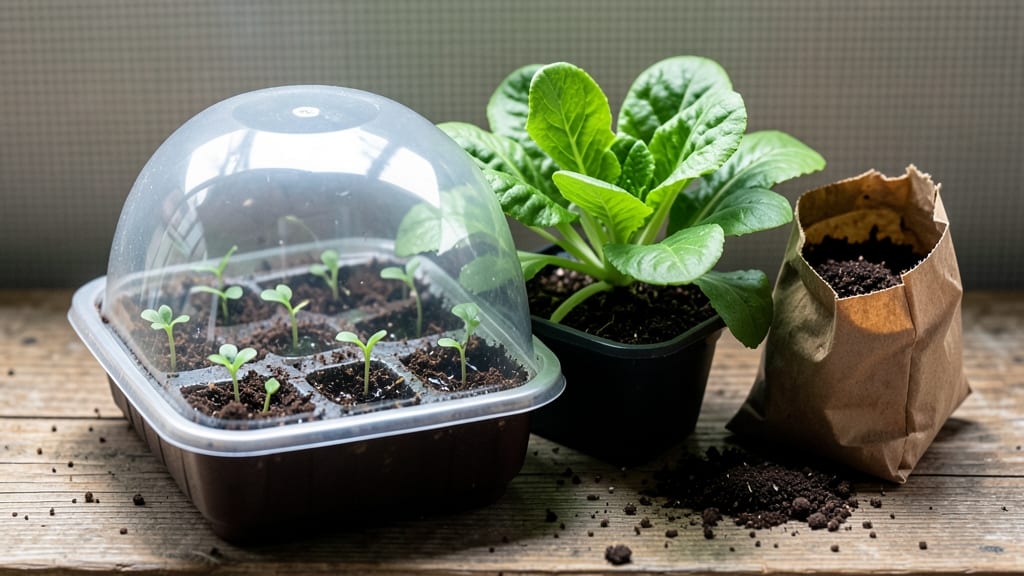
To start seedlings for spring, calculate 4-8 weeks before your last frost date—this is the golden window for healthy, transplant-ready plants 🌱.
Timing your seedlings wrong can mean the difference between a thriving spring garden and wasted effort—yet most gardeners guess instead of calculating based on their hardiness zone.
In Zone 6a, that means kicking off your seedling project in February or early March, when the frost-free countdown begins. But if you live in a warmer zone, you might start as early as January, while cooler climates could push it to April.
Below, I’ll break down exactly how to adjust for your zone, avoid common timing mistakes, and give you a foolproof checklist to keep your seedlings on track for a successful spring harvest.
Zone-specific seedling start dates: calculate your frost-free countdown
Timing your seedlings wrong can mean the difference between a thriving spring garden and wasted effort. The key to success lies in understanding your USDA hardiness zone and calculating your frost-free date.
Every zone has unique conditions, and starting too early or late can stunt growth or expose delicate seedlings to frost damage. Let's break down the exact weeks you should start common spring crops across zones 3 through 10, including adjustments for early/late springs.
Most seed packets suggest starting indoors 4-8 weeks before your last frost date, but this varies dramatically by plant type. For example, fast-growing radishes can go straight into the ground 4 weeks before frost, while slow-maturing tomatoes need up to 10 weeks of indoor growing time.
Your local microclimate—like a sheltered garden spot—can also shift your start date by 1-2 weeks earlier or later.
Pro Tip: Use your average last frost date as a baseline, then check your local weather trends for the past 5 years. If your area has unpredictable springs, err on the side of starting seedlings slightly later to avoid frost damage.
For Zone 3-4 gardeners, where frost lingers into May, focus on cold-tolerant crops like kale, peas, and spinach. These can handle light frosts and often thrive when started 8-10 weeks before your last frost date.
Use grow lights or a sunny windowsill to ensure seedlings get 12-16 hours of light daily, which is critical for sturdy growth in short spring days.
In Zones 5-6, where last frosts typically arrive in late April, you'll have more flexibility. Start warm-season crops like tomatoes and peppers indoors in early March, while cool-season crops such as lettuce and carrots can go directly into the ground 2-3 weeks before your last frost.
If you're in a microclimate with a sheltered south-facing slope, you might transplant seedlings 1-2 weeks earlier.
Gardeners in Zones 7-10 enjoy longer growing seasons, but even here, timing matters. For example, in Zone 8, where frost-free dates can range from mid-March to early April, start basil and cilantro indoors 4-6 weeks before your last frost.
These herbs bolt (flower prematurely) in heat, so getting them established early ensures a longer harvest window.
One common mistake is assuming all seedlings need the same start time. Fast-growing crops like radishes and arugula can often be sown directly into the garden 4 weeks before your last frost date, while slow growers like broccoli and cabbage need 6-8 weeks indoors.
Always check the days-to-maturity on your seed packet and work backward from your frost date.
To account for unpredictable springs, consider starting a few extra seedlings or using biodegradable pots that can be transplanted directly into the ground. This way, if an unexpected frost hits, you'll have backup plants ready to harden off and move outdoors.
For added protection, keep row covers or frost cloth on hand to shield tender seedlings during late frosts.
Remember, your garden's microclimate plays a huge role in seedling success. A spot near a brick wall or fence can warm up faster in spring, allowing you to transplant seedlings 1-2 weeks earlier than the average frost date.
Conversely, low-lying areas may experience frost 1-2 weeks later, so adjust your timeline accordingly.
By following these zone-specific guidelines and adjusting for your local conditions, you'll be well on your way to a bountiful spring harvest. Happy gardening! 🌱
How to adjust your seedling schedule for early or late springs
Unpredictable spring weather can throw off even the most experienced gardener's plans. If you're dealing with an early frost or a late spring, adjusting your seedling schedule is key to avoiding lost crops.
The solution often lies in protective gardening tools and smart transplanting techniques that give your seedlings a fighting chance.
For example, in Zone 5, where last frosts can hit as late as May 15, starting broccoli seedlings 6 weeks early might seem risky—but with a row cover, you can push those limits safely. The trick is balancing seedling maturity with weather resilience.
Adjusting Your Seedling Schedule: Pros and Cons
✅ Pros
- Extends growing season for heat-loving crops like tomatoes in cooler zones.
- Allows double-cropping for faster harvests of leafy greens.
- Reduces seedling stress from sudden temperature swings.
❌ Cons
- Higher frost risk to young seedlings if timing is off.
- Requires additional protection like row covers or cloches.
- May delay maturity if spring turns cold again.
One of my favorite tools for late springs is a cold frame. These low-cost structures can raise soil temperatures by 10-15°F, giving seedlings a head start even when outdoor conditions are still chilly.
For Zone 4 gardeners, this means you can start cabbage seedlings indoors 8 weeks early and transplant them under a cold frame 2 weeks before your usual last frost date.
Another strategy is successive planting. Instead of betting everything on one planting date, stagger your seedlings every 2 weeks. This way, if an early frost hits, you’ll still have mature plants ready to harvest.
For example, plant radishes every 10 days in spring—they mature in just 30 days, so you’ll have a continuous supply even if weather disrupts other crops.
For gardeners in Zone 7 or warmer, late springs can be just as tricky. Here, the focus shifts to shade cloth and drip irrigation to protect seedlings from heat stress while they establish.
Start pepper seedlings indoors 10-12 weeks early, but keep them in cool conditions (60-70°F) until after the last frost to prevent bolting.
Remember, every garden is unique. Track your local microclimate—a sunny south-facing bed warms up faster than a shady north side. Use these adjustments to fine-tune your schedule, and soon you’ll be harvesting homegrown veggies no matter what spring throws at you. 🌱