
Companion Plants
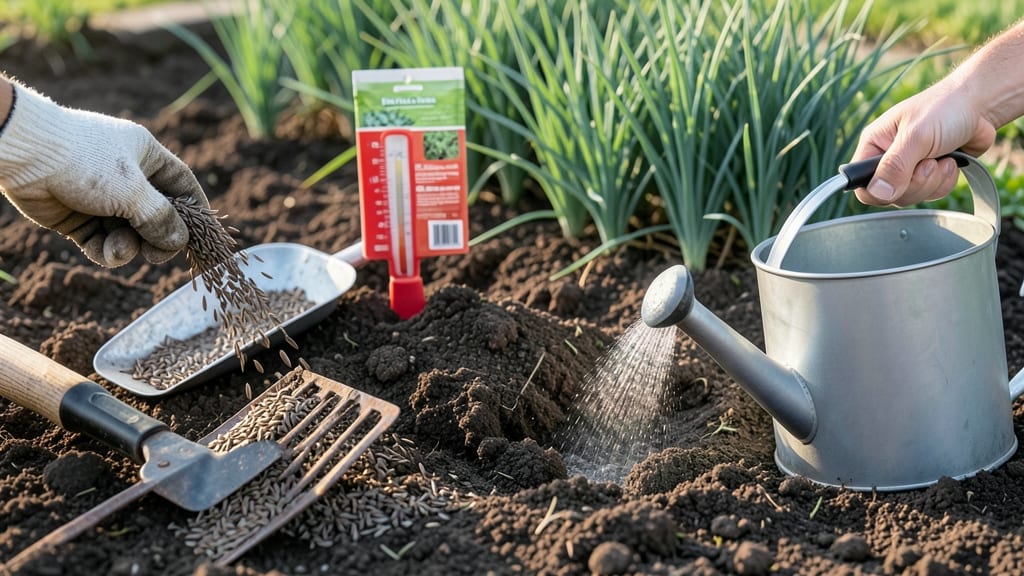
Planting grass seed in spring at the right time means the difference between a thick, vibrant lawn and a weed-infested disappointment—get it wrong, and you’ll be fighting for ground for months.
Timing your grass seed planting in spring can mean the difference between a lush, green lawn and months of patchy disappointment—get it wrong, and weeds will take over before your grass even sprouts.
In USDA Zone 6a, the ideal window starts 4-6 weeks before your last frost—typically early March to mid-April—but soil temperature is the real game-changer. Aim for 50-65°F to give seeds the best shot at germinating fast and strong.
Below, I’ll break down the exact deadlines by zone, how to prep your soil for fast establishment, and the critical mistakes that kill grass seed before it even gets a chance to grow.
Best spring planting deadlines by US hardiness zone (with soil temperature rules)
Getting your grass seed in the ground at the right time is everything—plant too early and frost will kill your tender sprouts, too late and summer drought will stunt growth. The secret lies in soil temperature, not just calendar dates.
Most grass seeds need soil between 50-75°F to germinate properly, but the exact window depends on your USDA hardiness zone and grass type.
Cool-season grasses (like Kentucky bluegrass and fescue) thrive when planted in early spring (4-6 weeks before last frost), while warm-season varieties (like Bermuda and Zoysia) wait for late spring when soil warms to 65-75°F.
Let’s break down your zone-specific deadlines to ensure fast, even germination and a weed-free lawn.
For Zones 3-4, aim to plant by May 1—any later and your grass may struggle to establish before summer drought sets in.
In Zones 5-6, you’ve got a wider window (early April to early May), but don’t wait past May 15 or germination slows dramatically. Southern zones (7-10) can start as early as February, but warm-season grasses like St. Augustine need soil above 70°F to avoid fungal issues.
Pro tip: Use a soil thermometer ($10 at garden centers) to check temps before planting. Stick it in the ground (4 inches deep) for 30 minutes—if it reads below 50°F, wait a week. Cool-season grasses germinate fastest at 60-65°F, while warm-season types need 70°F+ for speedy sprouting.
One more critical rule: Plant 4-6 weeks before your average last frost date. Check your local USDA frost map—if your area typically sees frost in mid-April, plant by March 15.
This gives seedlings time to root before cold snaps hit. Miss this window, and you’ll either have frost-killed sprouts or weed-dominated lawns by summer.
For warm-season grasses (like Bermuda or Centipede), the rush is on—plant by June 1 in most zones to avoid summer heat stress.
These grasses go dormant in winter, so early planting gives them time to develop deep roots before the first frost. Overheating soil above 85°F can actually kill seeds, so morning planting (before 10 AM) helps.
Don’t forget: Soil prep matters more than dates. Loosen the top 4 inches of soil, remove debris, and rake for a fine seedbed. Add compost to improve moisture retention—dry soil is the #1 killer of new grass.
5 Critical factors that determine your exact planting date (beyond just the calendar)
While checking your calendar for the last frost date is a good start, your exact planting window depends on far more than just dates.
I’ve planted grass seed for over 15 years, and I can tell you: ignoring these five critical factors will leave you with patchy results or wasted seed. Let’s break down what really matters beyond the calendar.
First, your local rainfall patterns can shift your ideal planting date by weeks. In areas with consistent spring rains (like the Pacific Northwest), you can plant earlier than the calendar suggests.
But in drought-prone regions (think Colorado or Arizona), waiting until after the rainy season is crucial to avoid seed drying out before germination.
Next, your grass type dictates timing. Cool-season grasses (like Kentucky bluegrass or fescue) thrive when planted in early spring or fall, while warm-season varieties (like Bermuda or Zoysia) need to wait until after the last frost and when soil temps hit 65-75°F.
Mixing these up can mean failure—cool-season grass planted too late will bolt in summer heat.
- 1. Soil Temperature: Plant when soil is 50-65°F for cool-season grass or 65-75°F for warm-season. Use a soil thermometer—don’t guess!
- 2. Frost Risk: Cool-season grass needs 4-6 weeks before last frost to establish roots. Warm-season grass can handle light frosts once established.
- 3. Rainfall Forecast: Aim for 1 inch of rain weekly or plan to water deeply. Drought conditions = failed germination.
- 4. Grass Type: Cool-season (spring/fall) vs. warm-season (late spring/summer). Never plant warm-season grass before soil warms.
- 5. Soil Prep: Loosen top 4-6 inches, remove debris, and rake for a fine seedbed. Poor prep = uneven growth.
Don’t overlook local climate variations either. Even within the same zone, microclimates can create huge differences. A south-facing slope warms up faster than a shaded yard, while low-lying areas may stay cooler longer.
I once planted grass in a sunny south-facing patch two weeks early—it thrived—while the shaded side needed to wait.
Finally, soil preparation isn’t just about tilling. Testing your soil pH (ideal: 6.0-7.0) and adding compost or starter fertilizer can shift your planting date. Poor soil? You might need to prep 2-4 weeks early to amend it properly. Skipping this step is like planting seeds in concrete—nothing grows.
Pro tip: Use a planting date calculator (like the one from your local Cooperative Extension Service) and adjust for these factors. Your exact planting window could be 2-4 weeks earlier or later than the "standard" calendar date—get it right, and you’ll see faster germination and thicker coverage.