
Lawn
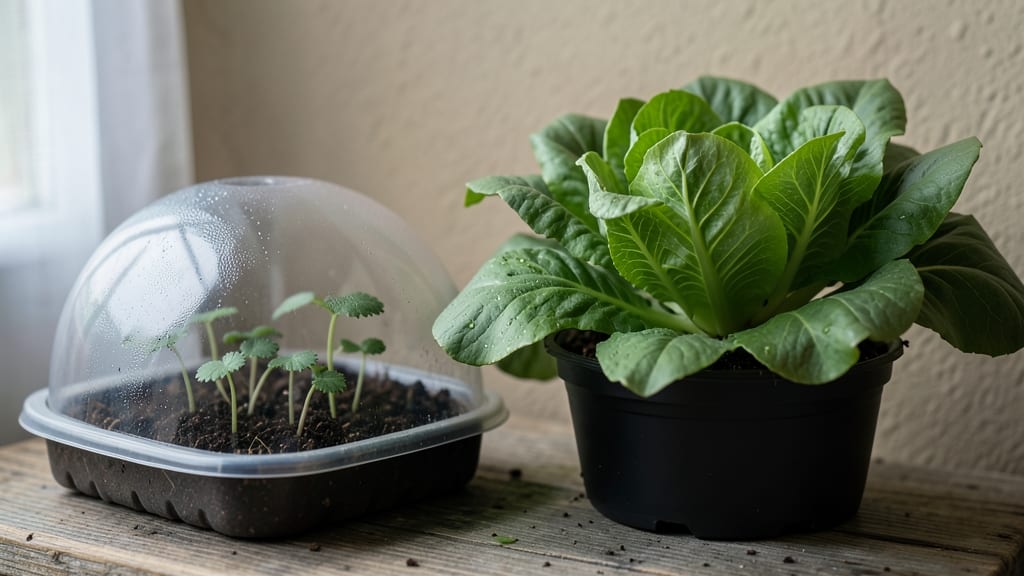
Starting seedlings in Ohio means timing them 6–8 weeks before your last frost—a window that shifts from mid-February for heat-lovers like tomatoes to early March for cool-season crops like lettuce.
Ohio gardeners know timing is everything—start too early, and you’ll face leggy, weak plants; too late, and you’ll miss peak harvests. But with Ohio’s diverse microclimates and unpredictable spring weather, figuring out the perfect start date can feel like guessing.
Here’s the secret: use your USDA zone (6a–6b) as a guide, then adjust for your local frost-free date—most of Ohio averages April 15–May 15, but northern areas can lag by weeks. I’ll walk you through how to calculate your exact start date, whether you’re growing tomatoes, peppers, or herbs.
You’ll also discover how to stretch your season with row covers, cold frames, and indoor grow lights—so you can start seedlings earlier without risking frost damage. Let’s get those 🌱 off to the right start!
Ohio’s frost-free date zones & seedling start timing by plant type
Ohio spans USDA zones 5a to 6b, meaning last frost dates vary dramatically—from mid-April in northern Ohio to late April in southern Ohio. These differences directly impact when you should start your cool-season crops (like lettuce and peas) versus warm-season crops (like tomatoes and peppers).
Using Ohio’s frost-free date calculators (like NOAA’s or the Old Farmer’s Almanac) ensures you time your seedlings perfectly.
For northern Ohio (zones 5a-5b), aim to start warm-season seedlings indoors 8-10 weeks before your last frost (around mid-February).
In southern Ohio (zones 6a-6b), you can wait until late February to early March for the same crops. Cool-season crops like spinach and kale can often be sown directly outdoors 4-6 weeks before your last frost—sometimes as early as late March in southern Ohio.
Here’s a quick reference for Ohio’s average last frost dates by region and how they affect your seedling schedule:
For warm-season crops like tomatoes and peppers, start your seedlings 6-8 weeks before your last frost date. This means late February to early March in southern Ohio and mid-March to early April in northern Ohio.
These plants cannot tolerate frost, so timing is critical to avoid stunted growth or death.
If you’re growing cool-season crops, such as lettuce, spinach, or kale, you have more flexibility. You can start these indoors 4-6 weeks before your last frost or even direct-sow outdoors 4-6 weeks before.
For example, in zone 6a, you could direct-sow lettuce as early as late March.
Ohio’s unpredictable spring weather means you should always have a backup plan. Use row covers or cold frames to protect tender seedlings if late frosts threaten. For warm-season crops, consider using grow lights to extend your indoor growing season if your last frost arrives late.
Pro tip: Check the National Weather Service’s frost prediction maps in early spring for real-time adjustments. Local garden clubs often share updated frost dates based on recent trends, which can save your seedlings from unexpected cold snaps.
Remember, hardening off seedlings is just as important as timing. Once your seedlings are ready to transplant (around 4-6 weeks after germination), gradually expose them to outdoor conditions over 7-10 days to prevent shock.
This step is crucial for tomatoes, peppers, and herbs, which are particularly sensitive to sudden temperature changes.
By aligning your seedling schedule with Ohio’s frost-free date zones and adjusting for your specific microclimate, you’ll maximize your garden’s potential and enjoy a bountiful harvest all season long. Happy planting! 🌱
How to calculate your exact seedling start date using Ohio’s climate data
Ohio’s unpredictable spring weather makes seedling timing tricky—one late frost can ruin months of effort. But by using local climate data and plant-specific maturity timelines, you can pinpoint the perfect start date for every crop.
The key? Working backward from your last frost date, which in Ohio typically falls between April 15 and May 15, depending on your region.
Start by checking your USDA hardiness zone (Ohio ranges from 5a to 6b). Northern areas like Toledo often see frost later, while southern zones like Cincinnati may warm up earlier. Tools like the Old Farmer’s Almanac or NOAA’s frost-free date maps provide precise local averages—bookmark these for quick reference.
Use the Old Farmer’s Almanac or NOAA to find your average last frost date. For example, Columbus averages April 25, while Cleveland leans toward May 5.
Look up your plant’s days to maturity on the seed packet. For instance, tomatoes need 60–90 days, while lettuce matures in 30–50 days.
For tomatoes in Columbus (last frost April 25), subtract 75 days to get a start date of February 1. Adjust for early/late varieties!
Some plants (like peppers) need 8–10 weeks indoors to thrive. Others (e.g., spinach) tolerate cooler temps and can start 4–6 weeks before frost.
Avoid transplant shock by hardening off seedlings 7–10 days before outdoor planting. Acclimate them gradually to sun and wind.
If your area had an early frost last year, start 2 weeks earlier. For late frosts, delay planting by 1–2 weeks or use row covers.
Note your start dates, germination times, and transplant dates to refine future timing. Ohio’s weather varies yearly—adjust as needed!
For example, if you’re growing basil (which needs 60 days to maturity) in Zone 6a, aim to start seeds by March 15 to transplant by May 15, just before the last frost. But if you’re in Zone 5b, push that start date to March 1 for safety.
Pro tip: Use a seedling heat mat for slower germinators like carrots or onions to speed up early starts. And always keep a backup batch in case of unexpected frost—better safe than sorry!
Remember, Ohio’s microclimates mean your neighbor’s perfect timing might not work for you. Pay attention to local weather patterns and trust your own observations over averages. Happy planting!