
Propagation
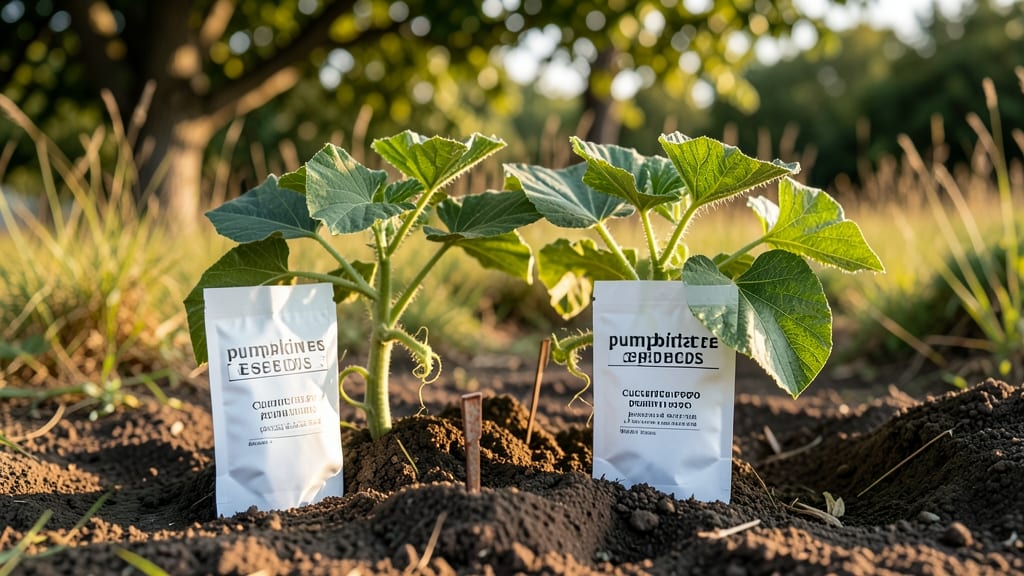
To start planting pumpkin seeds at the perfect time, aim for 3-4 weeks before your last spring frost—typically mid-April in USDA Zone 6a—when soil temperatures hit at least 60°F.
Timing is everything when growing pumpkins—plant too early, and frost will kill your seedlings; too late, and you’ll miss the summer harvest. Follow this science-backed frost-free timeline to maximize your pumpkin yield, whether you’re in a cold northern zone or a warm southern climate.
Most pumpkin varieties need 90-120 days to mature, so late plantings risk small harvests or none at all. The key is balancing soil warmth with frost risk—wait until the ground is reliably above 70°F for best germination.
Here’s how to adjust planting dates by zone, plus pro tips for indoor starts (if needed) and direct sowing outdoors. You’ll learn exactly when to plant for bigger, healthier pumpkins—no guesswork!


Optimal pumpkin planting dates by USDA hardiness zones
Pumpkins thrive when planted after the last spring frost and given a long, warm growing season. The ideal window is 3-4 weeks before your average last frost date, but this varies dramatically across USDA hardiness zones.
In colder zones (3-5), aim for late May to early June—pumpkins need 90-120 frost-free days to mature. Warmer zones (7-10) can plant as early as mid-March to April, but avoid planting too soon in hot climates, as soil may dry out before seeds germinate.
Your local frost dates are your best guide. Check the USDA Plant Hardiness Zone Map for your area, then verify with your local cooperative extension service.
For example, in Zone 5, most gardeners plant pumpkin seeds in mid-to-late May, while in Zone 9, early March plantings are common.
Always adjust for early vs. late varieties—fast-maturing types (like 'Jack Be Little') can handle shorter seasons, while giant varieties (like 'Atlantic Giant') need extra time.
Here’s a quick reference for zone-specific planting windows, including adjustments for heat-tolerant vs. cold-sensitive varieties:
| USDA Zone | Last Frost Date | Optimal Planting Window | Notes |
|---|---|---|---|
| Zones 1-3 | Mid-to-late June | Late June to early July | Short season—choose fast-maturing varieties (75-90 days). May need row covers. |
| Zones 4-5 | Mid-May | Late May to early June | Standard window for most varieties. Use black plastic mulch to warm soil. |
| Zones 6-7 | Early-to-mid April | Mid-April to early May | Ideal for giant and standard varieties. Stagger plantings for extended harvests. |
| Zones 8-9 | Mid-January | Early March to April | Hot climates—plant early to avoid summer heat stress. Use shade cloth if needed. |
| Zones 10-11 | None (tropical) | Year-round (best in fall/winter) | Avoid summer planting—heat-sensitive varieties may bolt. Opt for 'Cinderella' or 'Sugar Pie'. |
For northern zones (1-5), prioritize cold-hardy varieties like 'New England Pie' or 'Waltham Butternut', which tolerate cooler soils better than tropical types. In southern zones (7-11), focus on heat-tolerant varieties such as 'Cocozelle' or 'Jarrahdale', which handle high temperatures without bolting.
Always test soil temperature—pumpkin seeds need 60°F+ soil to germinate, and 70°F+ for optimal growth.
If you’re in a transition zone (e.g., Zone 6b), consider staggered plantings every 2 weeks to extend your harvest. For example, plant 'Small Sugar' (80 days) in early May, followed by 'Howden' (100 days) in late May.
This ensures you have pumpkins ready for early fall festivals and late-season storage. Just remember: overcrowding reduces yield, so space hills 4-6 feet apart and thin seedlings to 2-3 strong plants per hill.
Pro tip: Use a soil thermometer to confirm readiness—pumpkin seeds won’t sprout in cold soil, no matter how early you plant. If your soil is still chilly, opt for biodomes or row covers to create a warmer microclimate.
In Zone 4 or colder, you might even try indoor starts 2-3 weeks before the last frost, transplanting seedlings when soil warms to 60°F+. Just avoid transplanting shock by hardening off seedlings for 7-10 days beforehand.
Timing also depends on your pumpkin variety’s maturity date. Miniature varieties (like 'Jack Be Little') mature in 75-85 days, while giant types (like 'Mammoth Melon') take 120+ days. Calculate backward from your first frost date to determine your latest safe planting window.
For example, in Zone 5 with a September 15 frost, a 100-day variety must be planted by mid-June to avoid frost damage.
Don’t forget to account for regional microclimates. A valley or low-lying area may frost later than a hilltop garden, while urban areas can be 5-10°F
How to adjust planting time for giant vs. small pumpkin varieties
Not all pumpkins grow at the same pace—small varieties like Jack Be Little mature in 60-75 days, while giant types such as Atlantic Giant need 100-120 days to reach harvest. This difference means your planting schedule should shift based on variety to avoid late-season disappointments.
For example, in Zone 5, planting small pumpkins in early May gives you a September harvest, while giant varieties need a mid-April start to mature by October.
Soil temperature is the critical factor for germination—pumpkin seeds won’t sprout until the soil reaches 60°F+. Use a soil thermometer to confirm readiness, especially in cooler zones.
In Zone 7, you can plant small varieties as early as mid-March, but giant pumpkins may need black plastic mulch to warm the soil faster. This adjustment prevents slow starts that delay harvests.
| Variety Type | Days to Maturity | Ideal Planting Window | Soil Temp Requirement | Staggering Tip |
|---|---|---|---|---|
| Small Varieties (e.g., Sugar Pie, Jack Be Little) | 60-75 days | 3-4 weeks before last frost | 60°F+ | Plant every 2 weeks for continuous harvests |
| Medium Varieties (e.g., Howden, Cinderella) | 80-90 days | 2-3 weeks before last frost | 65°F+ | Plant in two batches: early and mid-season |
| Giant Varieties (e.g., Atlantic Giant, Big Moon) | 100-120 days | 4-6 weeks before last frost | 70°F+ | Use black plastic mulch to warm soil faster |
To extend your harvest season, stagger planting by 2-3 weeks. For example, in Zone 6, plant small pumpkins in early May and again in mid-June for a September-October bounty. This technique works especially well for pie pumpkins, which are best harvested young.
Meanwhile, giant varieties benefit from an earlier start—plant them in late April to ensure they mature before the first frost.
If you’re growing both small and giant pumpkins, prioritize soil warmth for the giants. Use row covers or clear plastic tunnels to create a microclimate in cooler zones. This method can shave off 10-14 days from the growing season, giving giant pumpkins the extra time they need.
For small varieties, focus on spacing—plant them 3 feet apart in hills to maximize sunlight and airflow, which speeds up maturity.
Don’t forget that late-season varieties like Long Island Cheese can handle cooler temperatures better than heat-loving giants. If you’re in Zone 4, opt for short-season types and plant them as soon as the soil is workable, even if it’s still chilly.
Combine this with mulching to retain heat and moisture, giving your pumpkins the best chance to thrive despite a shorter growing window.
For a foolproof approach, check your local frost dates and count backward from the first expected frost. Subtract the days to maturity for each variety to determine the latest safe planting date.
This method ensures you’ll have ripe pumpkins before the cold sets in, whether you’re growing miniature Jack-o’-lanterns or record-breaking giants. With the right timing, you’ll enjoy a harvest that lasts from late summer to fall.