
Plants
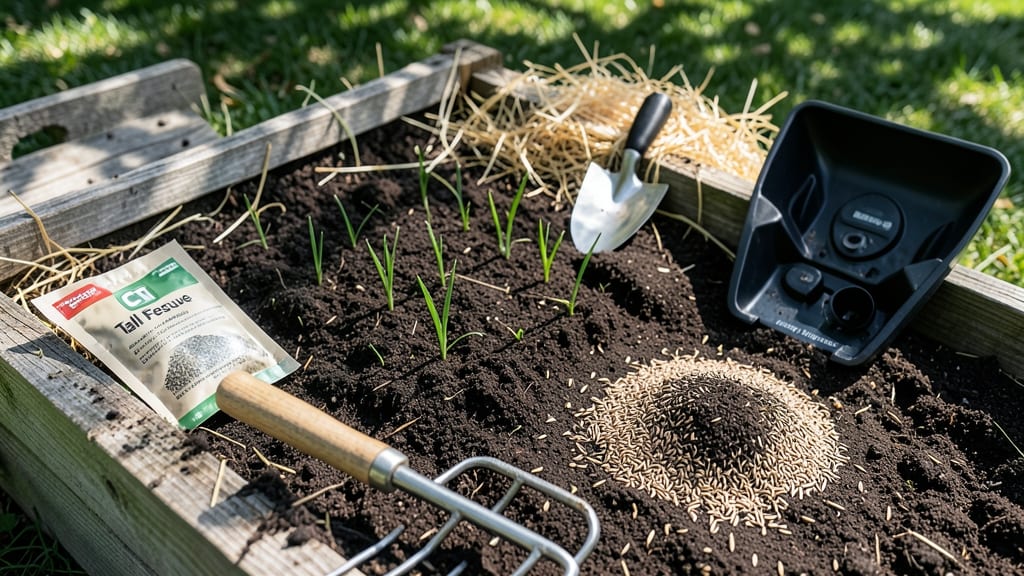
Planting grass seed in Connecticut at the right time means the difference between a lush lawn and a patchy disappointment — aim for 4-6 weeks after the last frost or 4-6 weeks before the first frost for best results.
Connecticut’s unpredictable spring frost can turn your grass-seeding dreams into a risky gamble—plant too early and your seeds freeze, too late and weeds take over. Timing is everything, especially with Connecticut’s three distinct planting zones.
In Zone 6a, where most of Connecticut falls, the ideal window opens around mid-April for spring planting and stretches into early October for fall. But coastal areas like New London may have a 2-week earlier window, while inland spots near Hartford could wait until late April.
Below, I break down the exact frost-free dates by zone, how to prep your soil for CT’s clay-heavy conditions, and the one mistake that kills more grass seeds than frost ever does.
Connecticut grass seed planting dates by hardiness Zone (2024 guide)
Getting your grass seed timing right in Connecticut means avoiding the two biggest lawn killers: late spring frosts and summer heat stress.
The state’s three hardiness zones—5b, 6a, and 6b—each have slightly different frost-free windows, and coastal areas like New Haven can be 2-3 weeks ahead of inland spots like Hartford.
Most Connecticut lawns thrive with cool-season grasses like Kentucky bluegrass and tall fescue, which need consistent soil temps above 50°F to germinate. Planting too early risks frost damage, while waiting too late gives weeds a head start.
Below, I’ve mapped out the exact frost-free windows for each zone, plus soil prep tips for Connecticut’s clay-heavy soils.
For Zone 6a—where most of Connecticut falls—the ideal spring window is mid-April to late April, but you’ll want to confirm soil temps are consistently above 50°F for at least 5 days. Use a soil thermometer ($10 at garden centers) to check—60°F+ is perfect for germination.
Fall planting in Connecticut works best 4-6 weeks before the first frost, typically early September to early October. This gives seedlings time to establish roots before winter.
In Zone 5b (northeast CT), aim for late August—cooler temps there mean shorter growing seasons. Pro tip: Water deeply 2-3 times/week after planting to prevent drought stress.
Connecticut’s clay-heavy soils can be tricky—amend with compost or sand to improve drainage before seeding. Test your soil’s pH (aim for 6.0-7.0) and add lime if needed.
The one mistake that kills more grass seeds? Planting when soil is too cold—seeds rot instead of sprouting. Always check the 5-day forecast for frost warnings.
Coastal areas like Groton and New London have warmer microclimates and can start 1-2 weeks earlier than inland zones. If you’re near the Long Island Sound, plant by April 1 for spring. Inland spots like Waterbury should wait until April 15—late frosts here are common.
Fall planting has a higher success rate in Connecticut because cooler temps reduce weed competition and disease pressure. Seedlings also establish deeper roots before winter. For fall, target early September in Zone 6b and late September in Zone 5b.
Always use a starter fertilizer with high phosphorus to encourage root growth.
If you’re seeding in May or June, choose heat-tolerant varieties like tall fescue or zoysia grass. These handle Connecticut’s summer heat better than Kentucky bluegrass.
Just know: summer seeding often results in thinner lawns due to drought stress. Mulch newly seeded areas with straw to retain moisture and block weeds.
Use this 3-step checklist before planting:
- Test soil temp,
- Amend clay soil, and
- Water lightly daily until germination. Connecticut’s unpredictable frost makes timing critical—don’t gamble with your lawn’s future! 🌱
How to prepare your Connecticut lawn for fall vs. spring planting
Choosing between fall and spring planting in Connecticut depends on your lawn’s current state and your patience level. Fall planting (September-October) gives grass seeds 6-8 weeks of warm soil and cool air to establish roots before winter, while spring planting (April-May) risks early frost and weed competition.
I’ve planted both ways—here’s what I’ve learned about prepping your CT lawn for each season.
Connecticut’s clay-heavy soils require extra attention, whether you’re seeding in spring or fall. The key difference? In spring, you’ll focus on weed suppression before planting, while fall prep prioritizes soil aeration to prevent compaction from summer foot traffic.
Both seasons demand soil testing—aim for a pH of 6.0-7.0 for cool-season grasses like tall fescue or Kentucky bluegrass, which dominate CT lawns.
Fall Planting (Sept-Oct) vs. Spring Planting (Apr-May)
Fall Planting
- Pros: Cooler temps reduce weed competition
- Pros: Grass establishes roots before winter
- Pros: Less watering needed after planting
Spring Planting
- Pros: Faster visible growth in warm weather
- Pros: Can overseed existing thin patches
- Pros: Avoids fall pests like voles
Fall Planting
- Cons: Requires early prep to avoid compaction
- Cons: Winter kill risk if seeds don’t root deeply
- Cons: Limited time to correct mistakes
Spring Planting
- Cons: Early frost can damage seedlings
- Cons: Weeds germinate faster than grass
- Cons: Requires more frequent watering
For fall planting, start by aerating your lawn in late August to break up compacted clay soil. Use a core aerator to pull out 3-inch plugs—this lets seeds reach deeper moisture.
After aerating, spread a starter fertilizer with high phosphorus (like 10-20-10) to encourage root growth. My trick? Apply composted manure after aerating to improve soil structure for CT’s heavy clay.
Spring prep starts earlier. In March, apply a pre-emergent herbicide like pendimethalin to stop crabgrass before it sprouts. Then, dethatch if your lawn has more than ½ inch of thatch—CT’s humid springs create the perfect thatch layer.
After clearing debris, overseed in early April once soil temps hit 55°F for 5 consecutive days. I test soil temp with a soil thermometer to avoid planting too soon.
Moisture management is critical in both seasons. In fall, water deeply 2-3 times per week until seeds germinate, then taper to 1 inch per week. Spring seedlings need daily watering for the first 2 weeks—use a rain gauge to track amounts.
My biggest mistake? Skipping the morning watering schedule to prevent fungal diseases like brown patch, common in CT’s humid summers.
Weed control timing makes or breaks your lawn. For fall planting, apply a post-emergent herbicide like 2,4-D in late September to kill existing weeds before they go dormant. In spring, wait until after seeding to apply herbicides—most won’t harm established grass but will kill new seedlings.
I’ve found corn gluten meal works well as a natural pre-emergent in both seasons.
Remember: Connecticut’s Zone 6a climate means your lawn’s success hinges on soil prep and timing. Whether you choose fall or spring, test your soil, aerate properly, and water consistently. My fall-planted lawns always outperform spring ones—give it a try this September! 🌱