
Plants
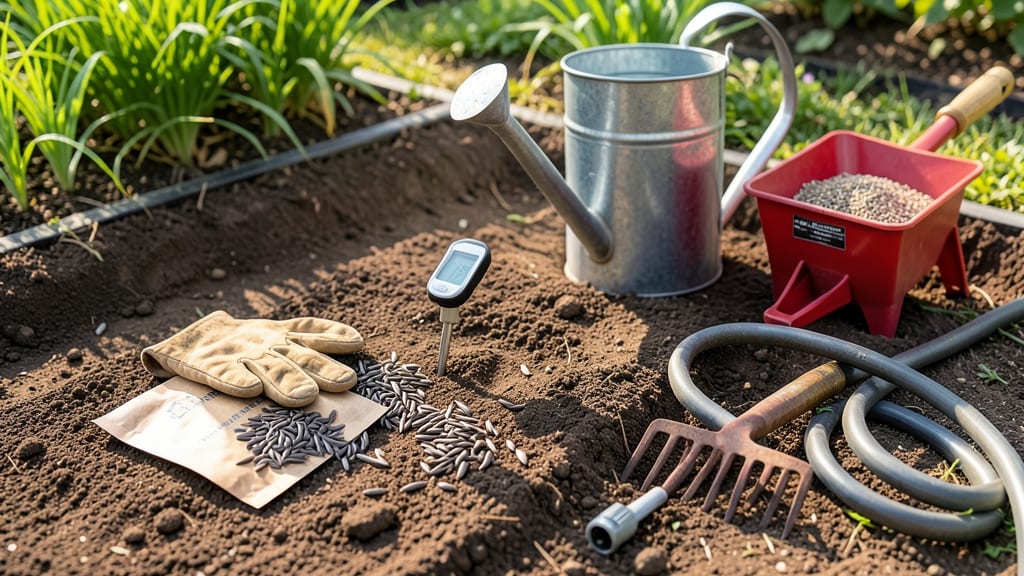
Planting Bermuda grass seed in Oklahoma at the wrong time can mean a lawn that never fully takes root — and the difference between success and failure often comes down to just a few weeks.
If you’ve ever watched your seed money blow away in a spring wind or bake into the soil before it could sprout, you know timing is everything. Oklahoma’s variable climate — from 6b’s chilly springs to 8a’s scorching summers — demands precision, not guesswork.
Here’s the key: Bermuda grass thrives when soil temperatures hit 65°F or higher, which in Oklahoma usually means waiting until late April to mid-May for spring or late August to early September for fall.
Plant too early, and frost zaps the seeds; too late, and the heat dries them out before germination.
Below, I break down the exact frost-free windows by zone, soil prep tricks to lock in moisture, and how to spot the three most common mistakes that kill Bermuda grass in Oklahoma before it even starts growing.
Oklahoma’s frost-free window: exact months to plant Bermuda grass seed by zone
Oklahoma’s 7 USDA hardiness zones (6b through 8a) create wildly different conditions for planting Bermuda grass seed. In zone 6b, you might still see frost in mid-April, while zone 8a could already be 90°F by late May.
Getting the timing wrong means either frost-killed seeds or seed baked into the soil before germination.
The golden rule for Bermuda grass is planting when soil temperatures hit 65°F or warmer—this usually aligns with Oklahoma’s frost-free window. Below, I’ve mapped out the exact months for each zone, including first/last frost dates and ideal planting windows to maximize your lawn’s success.
🌱
| Zone | Last Frost Date | First Frost Date | Soil Temp Threshold | Ideal Planting Window | Risk if Planted Late |
|---|---|---|---|---|---|
| 6b | March 15 | November 15 | 65°F+ (late April) | Late April - Mid-May or Late August | Heat stress, slow germination |
| 7a | March 1 | November 1 | 65°F+ (early April) | Early April - Early May or Late August | Fungal growth from excess moisture |
| 7b | February 28 | October 31 | 65°F+ (mid-March) | Mid-March - Late April or Late August | Drought stress in summer |
| 8a | February 15 | October 30 | 65°F+ (early March) | Early March - Early May or Late August - Early Sept | Seed desiccation from extreme heat |
| 8b | February 1 | October 15 | 65°F+ (late February) | Late February - Early May or Late August | Weed competition from early growth |
💡 Pro Tip: Use a soil thermometer to confirm temperatures before planting—Bermuda grass won’t germinate below 65°F.
For zone 6b, the late April to mid-May window is critical—planting earlier risks frost damage, while waiting too long means the soil may dry out before seeds sprout. In contrast, zone 8a gardeners have a longer window but must act by early May to avoid summer heat stress.
Fall planting is also an option in most zones, with late August to early September being ideal. This gives seeds time to establish roots before winter dormancy. However, avoid planting in October—cooler nights can slow germination too much.
One common mistake I see is planting Bermuda grass in June or July. While the seeds might germinate, the intense Oklahoma sun and heat can bake them before they take root. Instead, focus on spring or early fall for the best results.
If you’re in zone 7a or higher, you can push planting to early March, but monitor weather forecasts for unexpected cold snaps. A single 32°F night can kill newly planted seeds, so always have a backup plan like row covers ready.
🌡️
To test if your soil is ready, bury a soil thermometer 4 inches deep for 24 hours. If it reads 65°F or warmer, your Bermuda grass seed is ready to go. If not, wait another week—patience here pays off with a thicker, greener lawn come summer.
Finally, remember that Bermuda grass spreads aggressively once established. Planting at the right time ensures it outcompetes weeds and fills in gaps before Oklahoma’s scorching summer heat sets in.
How to prepare your Oklahoma lawn for Bermuda grass seed planting
Once you’ve locked in the perfect planting window for Oklahoma’s climate, the real work begins: preparing your soil and lawn for Bermuda grass seed. This warm-season grass demands well-draining, nutrient-rich soil and a weed-free seedbed to thrive.
Skipping these steps often leads to patchy growth or seed that simply won’t germinate—even with ideal timing.
My first tip? Test your soil pH at least 2 weeks before planting. Bermuda grass prefers a pH between 6.0 and 7.5. If your soil tests lower (too acidic), amend it with lime; if it’s higher (alkaline), work in sulfur or peat moss.
Oklahoma’s clay-heavy soils often need extra attention here to prevent compaction.
After preparing the seedbed, it’s time to sow the Bermuda grass seed. Use a broadcast spreader for even coverage, aiming for 1/4 to 1/2 pound of seed per 100 square feet.
For Oklahoma’s sandy soils, lean toward the higher end of this range, while clay-heavy areas can use slightly less. Lightly rake the seeds into the soil to ensure they’re covered but not buried—they need light to germinate.
Once planted, water deeply and frequently for the first 2-3 weeks. Bermuda grass seeds need consistent moisture to germinate, so aim for 1/4 inch of water daily (morning watering is best to reduce evaporation).
After germination, taper to 1 inch per week, focusing on deep soaks to encourage root development. Mulching with straw can help retain moisture and protect seeds from Oklahoma’s unpredictable spring weather.
Finally, avoid walking on or mowing the new grass until it reaches 3-4 inches tall. This protects the delicate seedlings and ensures a dense, uniform lawn. With these steps, your Bermuda grass will establish strong roots and handle Oklahoma’s extreme heat and drought like a pro. 🌱