
How To
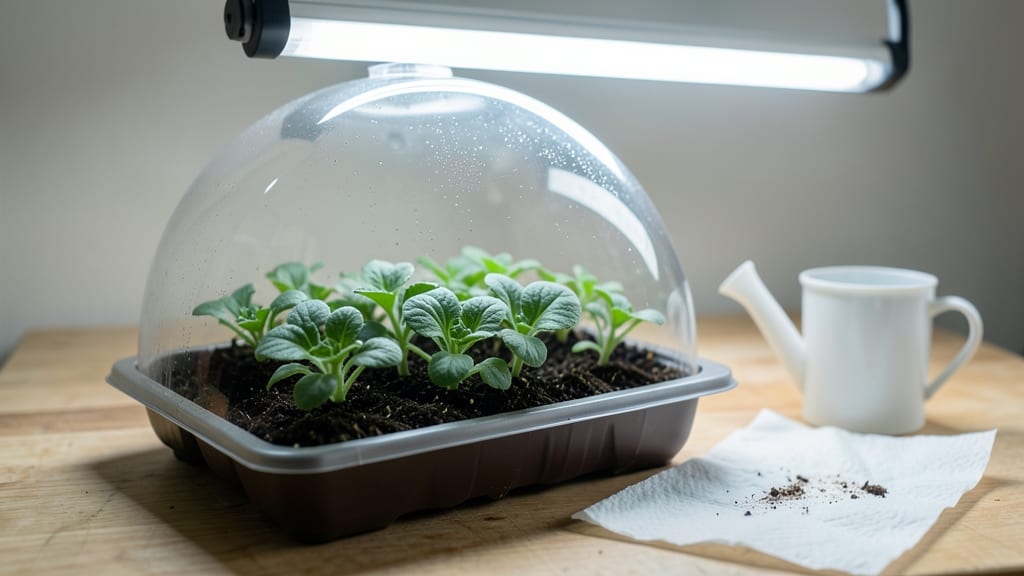
To start petunia seeds indoors for vibrant summer blooms, plan to sow them 8–10 weeks before your last frost date—this ensures they’re ready to transplant when the ground warms up.
Timing your petunia seeds indoors can mean the difference between vibrant summer blooms and a disappointing garden—here’s exactly when to start based on your USDA zone.
In Zone 6a, where many gardeners live, that means kicking off seed trays in early February. Too early, and seedlings will stretch weak and leggy; too late, and you’ll miss the 6–8 weeks they need to mature before frost risk fades.
Below, I’ll break down the exact dates by zone, how to adjust for early springs, and the three key signs your seedlings are ready to move outside—so you can skip the guesswork and get those 🌸 blooming on schedule.
Petunia seed starting timeline by USDA planting zones
Getting your petunia seeds indoors at the right time ensures you’ll enjoy vibrant summer blooms instead of leggy, weak plants struggling to catch up. Since petunias need 6-8 weeks to mature from seed, timing depends entirely on your USDA zone and last frost date.
Start too early, and you’ll deal with overcrowded seedlings; too late, and your garden will miss peak bloom season. Let’s break down the perfect indoor sowing schedule for zones 3 through 11.
Petunias thrive in warm soil and consistent temperatures above 60°F (15°C). However, they’re frost-sensitive, so transplanting too soon can kill tender seedlings. The key is to start seeds indoors 8-10 weeks before your average last frost date, giving them enough time to grow sturdy before moving outside.
In colder zones, this might mean starting in February, while warmer zones can wait until March or even April.
Below is your zone-specific timeline for petunia seed starting, including ideal indoor sowing dates and transplant windows. Use this as your guide to avoid common mistakes like overcrowding or delayed blooms.
For Zones 3-4, where winters are harsh, I recommend starting seeds by mid-February to give them enough time to mature before the last frost. Without adequate light, seedlings may become etiolated (stretched and weak), so supplement with grow lights if your windows aren’t sunny enough.
In these colder regions, aim to transplant by early May to ensure your petunias have 6-8 weeks of warm weather to establish and bloom.
In Zones 5-6, you have a bit more flexibility. Starting seeds in early March gives you a buffer if spring arrives late. These zones often experience unpredictable frost dates, so keep an eye on your local weather forecasts.
Transplanting in mid-April to mid-May ensures your petunias won’t face late frosts. If you live in a microclimate with earlier warming, you might push sowing to late March.
Gardeners in Zones 7-10 can enjoy a longer growing season, but timing still matters. For Zones 7-8, starting in mid-March ensures blooms by early summer. In Zones 9-10, where winters are mild, you can wait until April to start seeds indoors.
Some gardeners in these zones even direct-sow petunias after the last frost, but indoor starts give you an edge for earlier and more robust blooms.
If you’re in Zone 11, you’re in luck! Your long, warm season means you can start seeds as late as late March and still enjoy summer-long blooms. However, be mindful of intense summer heat, which can stress petunias.
Providing afternoon shade and consistent watering will keep them thriving. In these zones, you might even get a second bloom cycle in fall if you start a second batch in early summer.
Remember, these dates are general guidelines. Adjust based on your local microclimate—for example, if you live in a valley or near a large body of water, frost dates may vary.
Always check your average last frost date and count backward 8-10 weeks to calculate your ideal indoor sowing window.
Once your seedlings are ready to transplant, harden them off for 7-10 days by gradually exposing them to outdoor conditions. This step is critical to prevent shock and ensure your petunias thrive in the garden. With the right timing, you’ll be rewarded
How to calculate your exact petunia seed starting date
Getting your petunia seeds indoors at the right time ensures vibrant summer blooms instead of leggy, weak plants. Since petunias need 6-8 weeks to mature indoors before transplanting, timing is everything. Your last frost date and local climate determine the perfect window—here's how to calculate it precisely.
First, find your USDA hardiness zone and average last frost date for your area. For example, Zone 5 typically has a last frost around May 15, while Zone 10 might be frost-free by March 1. These dates are your anchor points for calculating when to start seeds.
Petunias thrive with 8-10 weeks of indoor growth before facing outdoor conditions. This timeline accounts for their slow germination (7-14 days) and need for strong root development. Count backward from your last frost date to determine your ideal starting window.
🌱 Step-by-Step: Calculate Your Petunia Seed Starting Date
- Step 1: Locate your last frost date (check local almanacs or USDA zone maps).
- Step 2: Subtract 8-10 weeks from your last frost date (e.g., May 15 - 8 weeks = March 15).
- Step 3: Adjust for local climate quirks—add 1-2 weeks earlier if your spring is unpredictable.
- Step 4: Start seeds in sterile seedling mix under grow lights (south-facing windows work but may cause legginess).
- Step 5: Harden off seedlings 7-10 days before transplanting (acclimate to outdoor temps gradually).
💡 Pro Tip: Use a seedling heat mat (70-75°F) for faster germination.
For northern climates (Zones 3-5), aim to start seeds in late February to early March. In warmer zones (Zones 7-11), you can begin as early as January or even late winter.
Always err on the side of starting too early—you can delay transplanting if needed, but late starts risk weak plants.
Watch for seedling legginess (tall, thin stems) or stunted growth, which signals inadequate light or overcrowding. Use grow lights if natural light is insufficient, and thin seedlings to 2-3 inches apart to prevent competition. Proper timing and care will reward you with bursting summer color!
Once your seedlings have 4-6 true leaves and are 3-4 inches tall, they’re ready for transplanting—just don’t rush! A gradual transition to outdoor conditions prevents shock and ensures your petunias thrive all season. 🌸