
Container Gardens
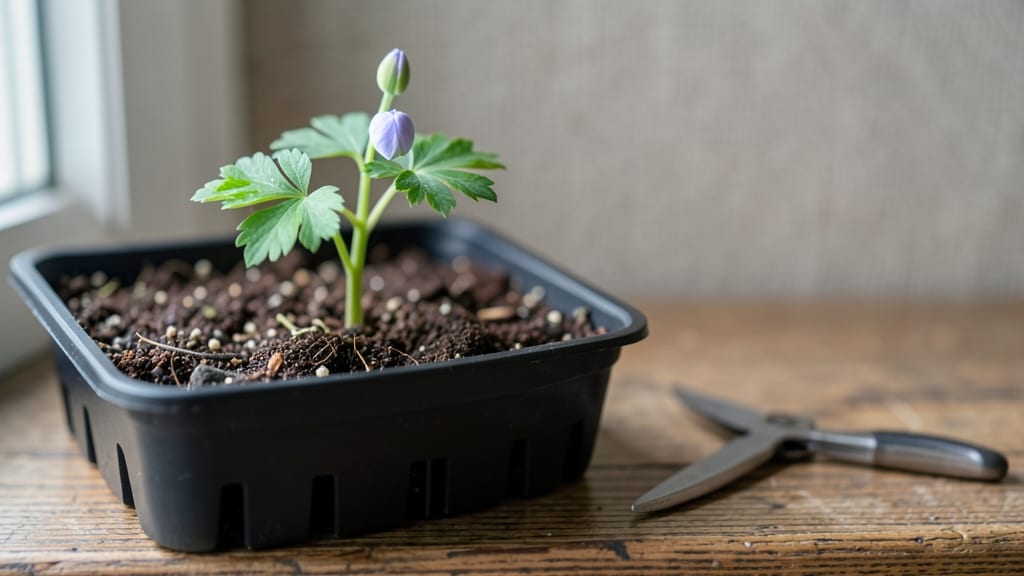
To start columbine seeds indoors, aim for 8-10 weeks before your last frost date—this timing ensures sturdy seedlings ready for transplanting by spring.
Picture this: you’ve got your seed trays ready, the soil is just right, and you’re eager to see those 🌸 columbine blooms light up your garden. But if you wait too long, you’ll end up with leggy, weak seedlings that struggle to catch up—especially in cooler zones like 6a.
Most gardeners in USDA zones 3-9 should begin indoors in late winter, around February or March, depending on your frost date. For example, in Zone 5, that means starting seeds by early February, while Zone 8 gardeners can wait until late January.
Here’s what you’ll learn: the exact timing for your zone, how to create the ideal germination setup, and a foolproof 8-week schedule to get your columbines off to a strong start—no guesswork involved.
Optimal indoor starting dates for columbine seeds by US hardiness zone
Getting your columbine seeds started indoors at the right time ensures healthy seedlings ready for outdoor planting. Since columbines thrive in cool weather and 6-8 weeks of growth before frost, timing varies dramatically by USDA zone.
Start too early, and seedlings become leggy; too late, and blooms arrive after frost. Let’s break it down by zone to help you calculate your perfect indoor starting window.
Columbines are biennials or short-lived perennials, meaning they need a strong start to establish roots before winter. The key is to have true leaves (not just cotyledons) by your last frost date.
Most gardeners aim for 8-10 weeks of indoor growth, but adjust based on your zone. For example, Zone 3 gardeners start in early February, while Zone 8 can wait until late January.
The USDA zone map is your best friend here. Find your zone, then count backward 8 weeks from your average last frost date. For instance, if your last frost is May 1, start seeds by March 1.
Use local weather data—some years frost comes earlier! Columbines are cold-hardy once established, but seedlings won’t survive frost.
Here’s a quick reference for common USDA zones and their ideal indoor starting dates. Use this as a starting point, then adjust based on your specific frost dates.
| USDA Zone | Last Frost Date (Avg.) | Indoor Start Window | Notes |
|---|---|---|---|
| Zone 3 | May 15 | Early February | Coldest zone; use grow lights if natural light is limited. |
| Zone 4 | May 1 | Late January–Early February | Start early to avoid late frosts; harden off by April. |
| Zone 5 | April 20 | Late January–Mid February | Classic Midwest timing; transplant by May 1. |
| Zone 6 | April 10 | Mid January–Early February | Southern Zone 6 can start slightly later; monitor frost alerts. |
| Zone 7 | March 25 | Late December–Early January | Mild winters allow early starts; transplant by April 15. |
| Zone 8 | March 1 | Late January–Early February | Short indoor window; prioritize strong light sources. |
| Zone 9 | February 15 | Early January |
Columbine seed germination requirements: light, temperature, and soil secretsGetting your columbine seeds to sprout indoors requires the right balance of light exposure, consistent warmth, and moisture control. Unlike hardy perennials, columbines demand precise conditions to avoid damping-off or slow germination. I’ve learned that even a few degrees off in temperature or too much humidity can stall your seedlings before they even reach the soil surface. First, let’s tackle the light requirements. Columbine seeds need bright, indirect light for at least 12-14 hours daily. Direct sunlight can scorch delicate seedlings, while insufficient light causes leggy, weak stems. Place your seed trays near an east-facing window or under grow lights set to mimic natural daylight. I use a simple LED bulb on a timer to ensure consistency. Here’s where most gardeners trip up: temperature control. Columbine seeds germinate best in a consistent 60-70°F environment. Too cold, and they’ll sit dormant; too hot, and they may rot. Use a seedling heat mat set to 65°F if your home runs cooler. I’ve found that placing trays on top of my refrigerator (not inside!) creates a stable microclimate without overheating.
Moisture is another critical factor. Columbine seeds need consistent moisture but will rot if overwatered. I use a spray bottle to mist the soil lightly every 2-3 days, checking moisture by touching the soil—it should feel damp but not wet. Bottom-watering (placing trays in shallow water) helps prevent fungal issues while keeping roots hydrated. Watch for damping-off, a common fungal disease that turns seedlings into mushy stems. If you see dark, water-soaked bases, immediately remove affected plants and treat remaining seedlings with a fungicide spray like neem oil. Good airflow from a small fan on low can also prevent this problem. I keep a fan running near my seed trays for 10 minutes daily to mimic outdoor conditions. Slow germination? Don’t panic—columbines can take 2-3 weeks to sprout. If no seedlings appear after 3 weeks, gently press the soil to check for seeds. Sometimes they’re buried too deep or need a warmth boost. I’ve had success with a second heat mat layer during cold snaps. Once sprouts emerge, reduce humidity gradually to harden them off for transplanting. |