
Companion Plants
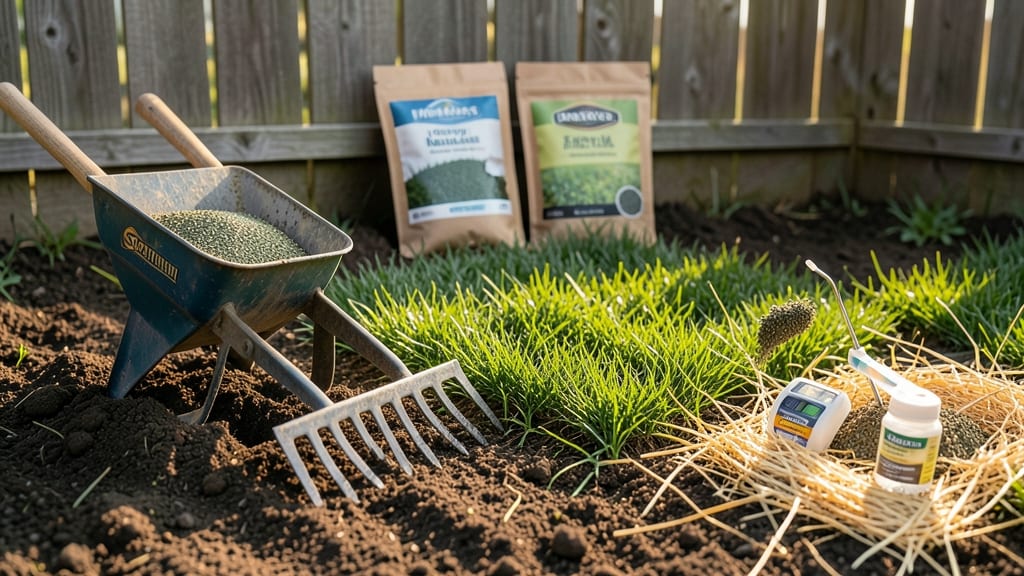
Planting grass seed in Michigan at the right time ensures strong roots before frost and a lush lawn by summer.
Michigan’s unpredictable spring and early fall weather can make grass seed planting tricky—but timing it right ensures a lush, frost-resistant lawn. Missing the ideal window means weak growth, patchy coverage, or wasted seed.
In USDA Zones 5-6, the best windows are early spring (April to early May) and fall (early September to mid-October). These months give grass 6-8 weeks of warm soil and cool air to establish roots before winter dormancy.
Below, I’ll break down soil temperature thresholds, seed selection for Michigan’s climate, and how to adjust for late frosts or drought. You’ll also learn how to prep your soil and care for new grass so it thrives year-round.
Best planting months for Michigan grass seed: cool season window explained
Michigan’s cool-season climate creates two prime windows for grass seed planting: early spring and early fall. These periods offer ideal soil temperatures (40–55°F) and minimal competition from weeds, giving your lawn the best chance to establish strong roots before winter or summer heat sets in.
For most of Michigan—especially USDA Zones 5–6—the optimal planting window spans from early September to mid-October. This timing allows seeds to germinate and grow 4–6 weeks of root development before the first frost, which typically hits around mid-October in northern Michigan and late October in southern regions.
Here’s how to adapt for Michigan’s microclimates: Northern areas (like Traverse City or Marquette) should plant 2–3 weeks earlier than southern regions (like Detroit or Ann Arbor) to account for earlier frosts. Soil temperatures are your best guide—wait until they consistently reach 50–55°F at a 4-inch depth.
The second best window is April to early May, right after the last spring frost (usually mid-April in southern Michigan and late April in the north). Planting too early risks frost damage to tender seedlings, while waiting too long means summer heat stress and weed competition.
Why these windows work: Cool-season grasses like Kentucky bluegrass and tall fescue thrive when daytime highs are 60–75°F and nights dip below 50°F. This temperature range promotes rapid germination (7–14 days) and deep root growth before dormancy.
Missed the window? Don’t panic—late August or early November can still work if soil temps stay above 40°F. However, germination slows, and seedlings may struggle to establish before winter. For best results, prioritize the September–October or April–May windows.
To check soil temperature, use a soil thermometer or dig down 4 inches—if it’s below 40°F, wait a few days. In northern Michigan, aim for early September planting to avoid October frosts, while southern Michigan can extend to mid-October safely.
Pro tip: Test your soil’s pH (ideal range: 6.0–7.0) before planting. Cool-season grasses prefer slightly acidic to neutral soil. If your soil is too alkaline, amend it with sulfur or peat moss 4–6 weeks before seeding for best results.
Once planted, keep soil consistently moist (not soggy) for 10–14 days to encourage germination. Use a light mulch (like straw) to retain moisture and protect seedlings from temperature swings—especially in early fall or late spring.
Timing your planting right isn’t just about avoiding frost—it’s about giving your grass the perfect head start. With the right window, you’ll see thicker, greener lawns by next spring, thanks to deep roots established before winter dormancy. 🌱
How to adjust planting time for Michigan’s unpredictable weather patterns
Michigan’s unpredictable weather can throw off even the best-laid planting plans. If you miss the ideal April-May or September-October windows, don’t panic—there are smart ways to adjust. The key is understanding how soil temperature, frost risk, and seed selection interact with your local microclimate.
For example, northern Michigan’s shorter growing season (USDA Zone 5) demands earlier fall planting than southern Michigan’s Zone 6. Meanwhile, a late spring frost might push your seed into dormancy before roots establish. Below, I’ll walk you through soil testing, seed blends, and emergency tactics to salvage your lawn project.
⚠️ Warning: Planting Too Late?
If you’re planting in late May or August, your grass faces heat stress or early frost risks. For late starts:
- ✅ Use perennial ryegrass blends—they germinate faster (5–10 days) than Kentucky bluegrass.
- ✅ Apply mulch (straw or peat moss) to retain moisture and insulate roots.
- ❌ Avoid warm-season grasses (like Bermuda)—they won’t survive Michigan’s winters.
Pro Tip:
Check soil temps with a soil thermometer—wait until it’s 50–55°F for 5+ days before planting.
Soil testing is your first step. Michigan’s clay-heavy soils often need amendments like compost or sand to improve drainage. Aim for a pH of 6.0–7.0—too acidic or alkaline stunts germination. If your test shows low organic matter, mix in 2–3 inches of compost before seeding.
For emergency planting (e.g., after a late frost), try a two-step approach. Start with fast-germinating perennial ryegrass (7–14 days) to hold the soil, then overseed with Kentucky bluegrass in the optimal window. This “bridge” method prevents erosion and gives slow starters a head start.
Extend your growing window with row covers or frost cloth in early fall. These protect seedlings from light frosts (28–32°F) while allowing sunlight. Pair this with drip irrigation on timers to water deeply (1 inch) every 2–3 days during dry spells. Avoid overhead sprinklers—they spread disease.
Remember: Mulch isn’t just for weeds. A ¼-inch layer of straw after seeding keeps soil moist, regulates temperature, and blocks light from sprouting weeds. For drought-prone areas, consider drought-tolerant tall fescue blends, which need 30% less water once established.
By combining seed selection, soil prep, and protective tactics, you can turn Michigan’s weather quirks into opportunities—not obstacles. Start with a soil test, choose the right blend, and adjust your timeline with these strategies. Your lawn will thank you next summer! 🌱