
How To
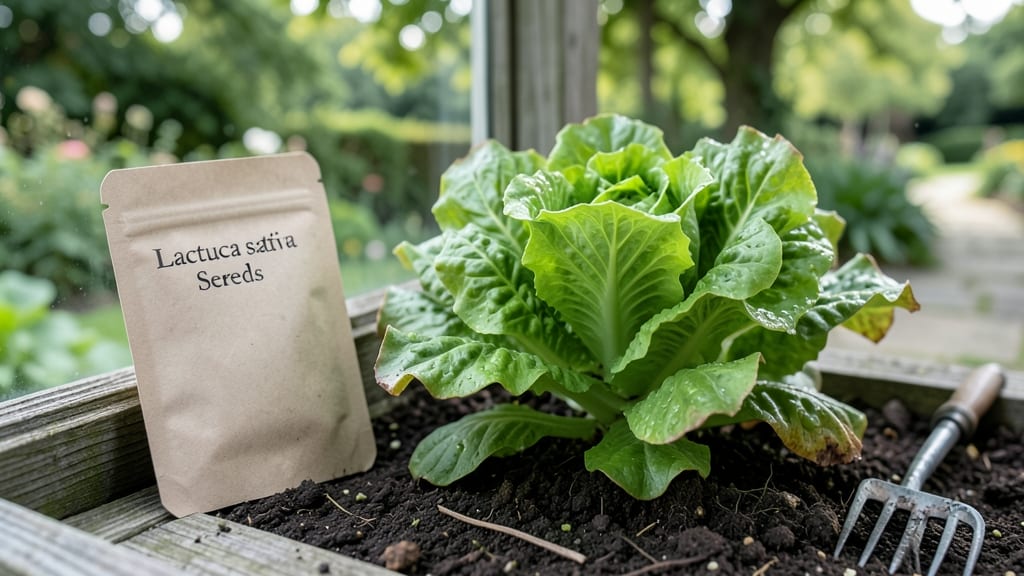
Sow lettuce seeds at the right time to avoid bitter bolts and enjoy crisp, homegrown 🥬 leaves all season long.
Picture this: you’ve just planted your lettuce seeds, only to watch them turn bitter and bolt before you can harvest a single leaf. That’s why timing is everything—especially in Zone 6a where spring and fall windows are tight.
In this guide, I’ll break down the best months to sow lettuce seeds by climate zone, including how to extend your harvest with successive plantings. Whether you’re starting outdoors in March or indoors for a late-summer crop, you’ll learn the exact windows to avoid wasted effort.
You’ll also discover which lettuce varieties handle late planting best and how to adjust for early harvests—so you can enjoy fresh salads without the frustration of bolting or stunted growth.
Best months to sow lettuce seeds by USDA climate zones
Lettuce thrives in cool weather but bolts—going to seed—when temperatures rise above 75°F (24°C). Your USDA climate zone determines the perfect sowing window for crisp, homegrown leaves. Whether you're in Zone 3 or Zone 11, timing matters to avoid bitter, tough lettuce.
Let’s break down the ideal months for spring, fall, and even winter sowing by zone to maximize your harvest.
For most gardeners, early spring and late summer/fall are the sweet spots. In cooler zones (3-6), you can even extend into winter with protection. In warmer zones (7-11), focus on fall sowing to escape summer heat.
The key is soil temperatures below 70°F (21°C)—lettuce seeds won’t germinate well in heat. Below, we’ll map out your zone-specific planting calendar to keep your lettuce happy and productive.
If you’re in Zones 3-6, you can push your luck with winter sowing using row covers or cold frames. For example, in Zone 4, I’ve successfully grown winter lettuce under a simple hoop house from November to March.
The key is to protect seedlings from freezing temps while ensuring good drainage to prevent rot. In warmer zones (7-11), winter sowing isn’t viable—focus on fall planting and shade cloth to beat the heat.
For spring sowing, aim to plant 4-6 weeks before your last frost date. This gives seedlings time to establish before warm weather arrives. In Zone 5, that’s typically late February to early March.
In Zone 9, where winters are mild, you can start as early as November for a winter-to-spring harvest. Always check your local frost dates—they vary even within zones!
Fall is your second chance for lettuce, especially in warmer climates. In Zones 7-11, sow seeds 8-10 weeks before your first frost—usually June to July. This ensures a cool-season harvest before temperatures climb again.
In cooler zones (3-6), you can extend fall planting into August or early September, but avoid sowing too late—you’ll risk bolting before frost.
One of my favorite tricks for Zone 8 gardeners is successive sowing every 2-3 weeks in spring and fall. This staggered approach ensures a continuous harvest instead of one big crop.
For example, I’ll plant one row in March, another in April, and a final one in May, each with a different lettuce variety to handle varying temperatures. This method works in most zones—just adjust timing based on your frost dates.
Watch out for heat stress, even in fall. If daytime temps creep above 80°F (27°C),
How to extend lettuce growing season with successive plantings
Lettuce thrives in cool weather, but with the right strategy, you can enjoy fresh harvests for months. The key is successive plantings—sowing new seeds every 2-3 weeks—to keep your garden producing crisp leaves instead of bitter bolts.
This method ensures you always have tender greens, whether in spring or fall.
For most climates, start your first planting 4-6 weeks before your last frost date in early spring. Then, continue sowing every 2-3 weeks until 6-8 weeks before your first frost in fall. This staggered approach creates a continuous harvest window that can span 4-6 months depending on your zone.
- Early Spring: Sow first batch 4-6 weeks before last frost (e.g., March in Zone 6). Use row covers for extra warmth if needed.
- Mid-Spring: Repeat sowings every 2 weeks until late May. Choose heat-tolerant varieties like Romaine for later plantings.
- Summer: Switch to shade cloth (30-50%) for new plantings. Keep soil consistently moist to prevent bolting in hot weather.
- Early Fall: Begin new plantings 8-10 weeks before first frost (e.g., August in Zone 6). Use cool-season varieties like Buttercrunch.
- Late Fall: For winter harvests, sow 6-8 weeks before frost and protect with row covers or cold frames if temperatures drop below 20°F.
If your growing season feels too short, try microgreens as a shortcut. These young lettuce leaves (harvested at 1-2 inches tall) can be grown indoors under grow lights or on a sunny windowsill. They mature in just 7-14 days, making them perfect for filling gaps between outdoor plantings.
For outdoor plantings, use shade cloth (30-50%) during summer to protect seedlings from intense sun. This simple trick can lower soil temperatures by 10-15°F, delaying bolting and keeping leaves tender. Pair it with daily watering in the morning to maintain even moisture.
To maximize space, interplant lettuce with slow-growing companions like carrots or radishes. Once the lettuce is harvested, the space is already prepped for the next crop. This intercropping method keeps your garden productive year-round with minimal extra effort.