
Plants
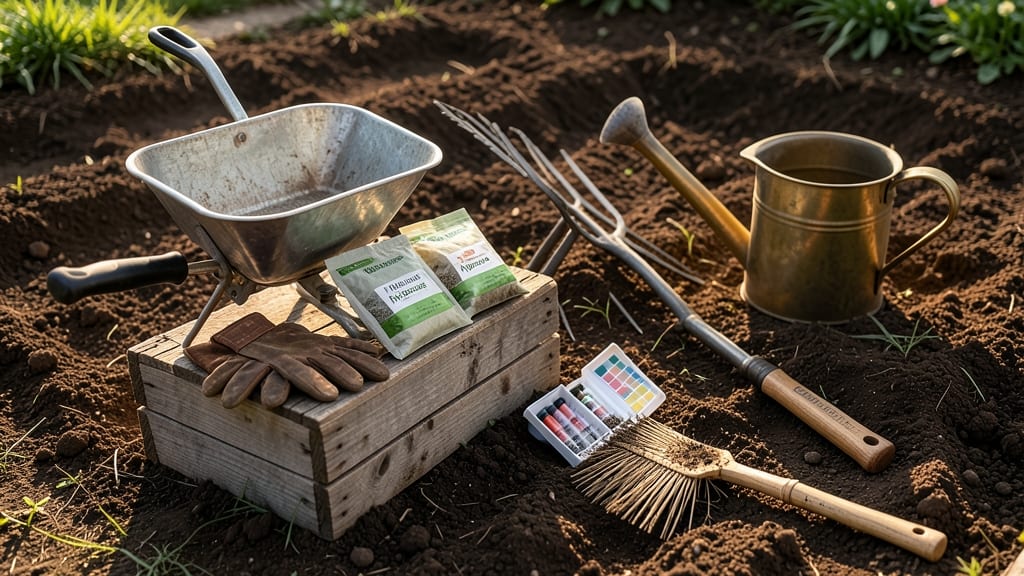
When is the best time to plant grass seed in Illinois? Planting during early fall or spring gives you the fastest, most reliable germination for a thick, green lawn—just 4-6 weeks before or after your last frost.
Struggling to get a lush, green lawn in Illinois? Timing is everything—plant grass seed at the wrong time, and you’ll battle weeds, drought, and slow germination. But plant it during the perfect window, and you’ll see fast, even growth with minimal effort.
Cool-season grasses like Kentucky bluegrass and tall fescue thrive in Illinois’ 5a-6b zones, but the secret lies in soil temperatures. Early fall (September-October) is ideal because cooler air and warm soil create perfect conditions for seedling roots to establish before winter.
In this guide, I’ll break down the exact planting windows for northern vs. southern Illinois, how to prep your soil for maximum success, and the top mistakes that kill germination—so you can skip the guesswork and get the lawn you’ve always wanted.
Illinois grass seed planting calendar: optimal cool-season windows for fast germination
If you're dreaming of a vibrant Illinois lawn, timing your grass seed planting perfectly is the secret weapon. Cool-season grasses like Kentucky bluegrass and tall fescue thrive when planted during ideal temperature windows, and Illinois offers two prime opportunities: early fall and spring.
Get it wrong, and you’ll face slow germination, weed competition, or even seed failure. But nail it, and you’ll see fast, even growth with minimal effort.
Most Illinois gardeners swear by fall planting—specifically September to early October—because cooler air and warm soil create perfect conditions for seeds to sprout and roots to establish before winter. Spring planting (March-April) works too, but it requires consistent moisture to outpace weeds.
Let’s break down the best planting windows for your region, whether you’re in Northern Illinois (USDA zones 5a-5b) or Southern Illinois (zones 6a-6b).
Northern Illinois gardeners should aim for late August through early October for fall planting, as soil stays warm longer in Southern Illinois, extending the window until mid-October.
The key is planting 4–6 weeks before the first frost—typically mid-October in the north and late October in the south—so seeds have time to germinate and roots to grow before winter dormancy.
Spring planting in Illinois works best from March to early April, right after the last frost date (usually mid-April in the north, early April in the south). Soil temperatures should be consistently above 50°F for 7+ days to trigger germination.
Planting too early risks frost damage, while waiting too late means battling summer weeds and drought stress.
Why does fall planting often win? Cooler air reduces water evaporation, while warm soil (from summer heat) provides the energy seeds need to sprout. Roots grow deeper before winter, giving your lawn a head start in spring.
Plus, fewer weeds compete with seedlings in fall compared to spring’s explosive weed growth.
For cool-season grasses like Kentucky bluegrass and tall fescue, soil temperature is critical. Use a soil thermometer to confirm temps are between 50–65°F before planting. If temps drop below 50°F, germination slows dramatically.
In Southern Illinois, where summers are hotter, late summer overseeding (July–August) can also work if you keep soil moist.
Pro tip: If you’re overseeding an existing lawn, mow shorter (1–1.5 inches) 1–2 weeks before planting to expose soil. Then, aerate to improve seed-to-soil contact. In Northern Illinois, where clay soils dominate, consider adding compost to improve drainage and moisture retention—critical for young seedlings.
Missed the fall window? Don’t panic. Spring planting is your second-best option, but prioritize weed control first. Pre-emergent herbicides can help, but apply them 4–6 weeks before planting to avoid harming grass seeds. And always water deeply 2–3 times weekly until germination (about 1 inch per week).
Remember: Consistency is key. Whether you plant in fall or spring, maintain steady moisture and avoid walking on the lawn until seeds are 1 inch tall. With the right timing and care, you’ll have a thick, green lawn by next summer—no matter where in Illinois you live. 🌱
How to prepare your Illinois lawn for grass seed planting (step-by-step)
Preparing your Illinois lawn for grass seed planting is just as critical as timing—skipping this step means battling poor germination, weed competition, and clay soil compaction. Whether you're overseeding or starting fresh, these Illinois-specific steps will ensure your seeds get the perfect foundation to thrive.
Let’s tackle soil prep, weed control, and the right tools for your clay-heavy or drought-prone lawn.
First, test your soil using a pH test kit (available at garden centers). Illinois lawns often have clay-heavy soil with a pH between 6.0–7.5. Cool-season grasses like Kentucky bluegrass prefer a slightly acidic pH (6.0–7.0).
If your soil is too alkaline (above 7.5), amend it with sulfur or peat moss 4–6 weeks before planting. For acidic soil (below 6.0), add lime to raise the pH. Southern Illinois’ warmer climate may require more frequent adjustments.
Step-by-Step Prep for Illinois Lawns
- 1 Test Soil pH: Use a kit to check pH. Adjust with lime (for acidic) or sulfur (for alkaline) 4–6 weeks before planting.
- 2 Remove Debris: Clear rocks, sticks, and thatch. For clay soils, loosen top 2–3 inches with a broadfork or tiller.
- 3 Aerate the Soil: Rent a core aerator to pull plugs (1/2–3/4 inch deep). This breaks up compacted clay and improves seed contact.
- 4 Control Weeds: Apply pre-emergent herbicide 4–6 weeks before planting (if overseeding). For new lawns, hand-pull weeds or use corn gluten meal (natural pre-emergent).
- 5 Spread Compost: Mix 1–2 inches of compost or topsoil into the top 1–2 inches. This improves moisture retention and adds nutrients for young roots.
- 6 Level the Soil: Fill low spots with a topsoil/sand mix (50/50 ratio). Rake to create a smooth, firm surface for even seed distribution.
- 7 Water Lightly: Moisten soil 1–2 days before planting to encourage seed-to-soil contact. Avoid heavy watering, which can wash seeds away.
For overseeding an existing lawn, mow shorter (1–1.5 inches) 1–2 weeks before planting to expose soil. Then, aerate to improve seed contact—especially important in Northern Illinois’ clay soils, where compaction is common.
If your lawn has thin patches, focus aeration on those areas first. In drought-prone Southern Illinois, consider adding hydromulch or a straw mulch after seeding to retain moisture.
Pro tip: If you’re planting in fall, apply a light layer of compost after aerating to provide nutrients for root growth before winter. For spring planting, wait until soil temps reach 50°F+ and apply a starter fertilizer (high in phosphorus) to boost early root development.
Always water deeply 2–3 times weekly until germination (about 1 inch per week) to keep soil consistently moist.
Finally, protect your new seedlings from birds and deer—common in rural Illinois—with seedling netting or repellent sprays. Once seeds germinate (in 7–21 days), thin seedlings to 1/2 inch apart for a dense lawn.
With these steps, your Illinois lawn will be thick, green, and resilient in no time! 🌱