
Plants
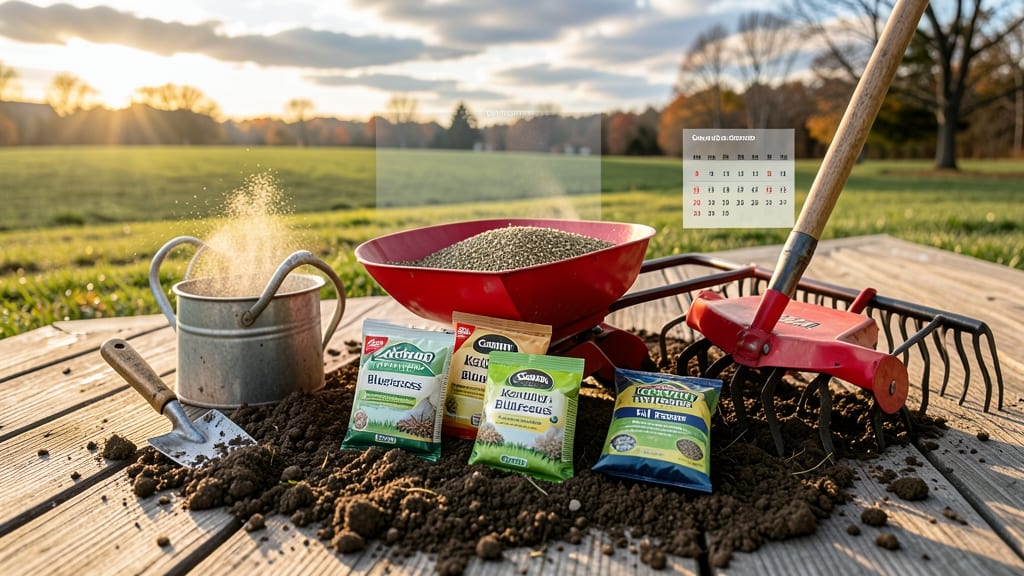
Planting grass seed in Michigan at the right time means the difference between a fast, lush lawn and a slow, patchy disappointment.
Michigan’s unpredictable spring and fall weather can make timing your grass seed planting the difference between a lush, green lawn and a patchy, slow-growing mess. Knowing the exact windows for planting in your specific zone ensures fast germination and a thick, healthy turf—without wasting time or money.
For most of the state, the sweet spot is early spring—right after the last frost date—or early fall, when soil temperatures stay warm but humidity drops.
In the Upper Peninsula (USDA Zone 4), wait until late April or early September, while southern Michigan (Zones 5b-6b) can start as early as March.
Below, I’ll break down the best months by region, soil prep tips to speed up germination, and the top grass varieties for Michigan’s climate—so you can plant with confidence and see results in just 2-4 weeks.
Michigan grass seed planting zones: best months by region (USDA 4-6)
Michigan’s three distinct USDA zones (4-6) create wildly different planting conditions for grass seed. In USDA Zone 4 (Upper Peninsula), cold snaps linger later, while Zone 6 (Southern Michigan) enjoys milder springs and falls.
Timing your planting to avoid frost damage or summer drought stress is critical for fast germination and thick coverage.
Cool-season grasses like Kentucky Bluegrass and Tall Fescue dominate Michigan lawns, thriving in spring and fall when soil temps stay between 50-70°F. Planting too early risks frost heave, while late summer seeding often fails due to heat stress.
Let’s break down the optimal windows for each zone to maximize your success.
| Zone & Region | Best Planting Window | Soil Temp Range | Key Considerations |
|---|---|---|---|
| USDA 4 (Upper Peninsula) | Late April - Early May OR Mid-Sept - Early Oct |
50-65°F | Avoid late snowmelt; wait until soil is workable. |
| USDA 5 (Northern Lower Peninsula) | Early April - Mid-May OR Late Aug - Mid-Sept |
50-68°F | Watch for late frosts in April; fall planting ends by Sept 15. |
| USDA 6 (Southern Lower Peninsula) | Mid-March - Early May OR Early Sept - Late Oct |
55-70°F | Longest growing season; fall planting can extend to Nov 1 in mild years. |
For USDA Zone 4 (Upper Peninsula), I recommend focusing on late April to early May or mid-September to early October. The Upper Peninsula’s shorter growing season demands precision—plant too early and risk frost damage, too late and face summer drought.
Aim for soil temperatures between 50-65°F for optimal germination.
Zone 5 gardeners in the Northern Lower Peninsula have slightly more flexibility with early April to mid-May or late August to mid-September windows. Here, late spring frosts are common, so monitor forecasts closely. Fall planting must wrap up by September 15 to allow roots to establish before winter.
Southern Michigan’s USDA Zone 6 offers the longest planting windows: mid-March to early May or early September to late October. This region’s milder climate lets you push fall seeding later—sometimes until November 1 in exceptionally warm years.
However, avoid planting after October 15 unless you’re using winter-hardy varieties like Tall Fescue.
Regardless of zone, spring planting should happen 4-6 weeks after the last frost. Use the 50°F soil temperature rule as your guide—wait until the ground warms consistently. For fall, 6-8 weeks before first frost ensures roots strengthen before winter dormancy.
Pro tip: Test your soil temperature with a simple soil thermometer ($10 at garden centers). If temps dip below 50°F, delay planting until conditions improve. Cool, moist soil is key for fast germination in Michigan’s climate.
One common mistake is planting too late in summer (July-August), when heat stress and drought slow germination. If you miss spring/fall windows, consider sod instead—it establishes faster in Michigan’s hot months.
For shade-prone areas, extend your planting window by 2-3 weeks later in spring or 2 weeks earlier in fall. Shade-tolerant varieties like Fine Fescue germinate better in cooler conditions, making them ideal for Michigan’s wooded or north-facing lawns.
Remember: Consistent moisture is non-negotiable. After seeding, water lightly twice daily to keep the top 1/4 inch of soil moist until germination (typically 14-21 days). Use a sprinkler with fine mist to avoid displacing seeds.
How to prepare your Michigan lawn for grass seed planting (soil, weather, and prep checklist)
Preparing your Michigan lawn for grass seed planting isn't just about throwing seeds on bare soil—it's about creating the perfect conditions for fast germination and thick root establishment. Michigan's cool, moist climate demands careful prep to avoid common pitfalls like uneven growth or seed washout from spring rains.
Start with a soil test to check pH and nutrient levels, then adjust based on your grass type. For most Michigan lawns, the ideal pH range is 6.0-7.0—any lower, and your grass won’t absorb essential nutrients properly.
Next, clear the area of weeds, rocks, and debris using a stiff rake or dethatching tool. Michigan's clay-heavy soils often compact over time, so aerate with a core aerator (rent for ~$80) to improve water and nutrient penetration.
For shady areas, focus on Fine Fescue varieties, which tolerate lower light better than Kentucky Bluegrass. Timing matters too—avoid prepping when soil is waterlogged or frozen, as this can damage roots and delay germination.
-
Step 1: Test Soil pH
Use a soil test kit ($10) or send a sample to MSU Extension. Aim for 6.0-7.0 pH. Adjust with lime (to raise pH) or sulfur (to lower pH) 4-6 weeks before planting. -
Step 2: Till or Aerate Soil
Loosen top 2-3 inches of soil with a tiller or core aerator. For clay soil, mix in compost (1 inch layer) to improve drainage. -
Step 3: Level the Soil
Rake out low spots and fill high spots with a mix of topsoil and compost. Aim for a smooth, even surface to prevent water pooling. -
Step 4: Apply Starter Fertilizer
Use a high-phosphorus fertilizer (e.g., 10-20-10) to encourage root growth. Spread 1/2 cup per 50 sq ft and lightly rake into soil. -
Step 5: Monitor Weather Forecast
Plant only when a 5-day forecast shows no rain for 24 hours after seeding. Use a lightweight straw mulch (not hay) to protect seeds from bird scatter and drying winds. -
Step 6: Water Consistently
Keep soil moist but not soggy for the first 2-3 weeks. Water lightly twice daily (morning/evening) to avoid displacing seeds. Use a sprinkler with fine mist for even coverage.
One of the biggest mistakes Michigan gardeners make is skipping soil prep to save time. Compacted or nutrient-poor soil leads to slow germination and weak grass that struggles in Michigan’s harsh winters.
If your soil is heavy clay, mix in sand and compost (50/50 ratio) to improve drainage and aeration. For sandy soils, add peat moss to retain moisture. Always water deeply after prepping to settle the soil and remove air pockets.
Weather plays a critical role in Michigan’s grass seed success. Avoid planting during prolonged rain forecasts, as seeds can wash away or rot. Instead, choose a dry, mild day with light winds—ideal conditions for seed-to-soil contact.
If you’re seeding in late fall (October), use a winter-hardy variety like Tall Fescue and cover seeds with straw mulch to protect against early frosts. Pro tip: Check the National Weather Service’s 10-day forecast before prepping to avoid last-minute delays.
Finally, resist the urge to over-seed or plant too thickly. Michigan’s cool climate means seeds germinate slower than in warmer regions—spreading 1/4 lb of seed per 100 sq ft is ideal for most cool-season grasses.
After planting, lightly rake seeds into the soil (no deeper than 1/4 inch) to ensure contact with moisture. For large lawns, use a broadcast spreader for even distribution. With proper prep, your Michigan lawn will show visible sprouts in 7-14 days and full coverage in 6-12 months.
Remember: Patience is key in Michigan’s climate. Rushing the process often leads to patchy lawns or weed invasion. Follow this checklist, and you’ll be rewarded with a thick, resilient lawn that handles Michigan’s freeze-thaw cycles like a pro. 🌱