
Plants
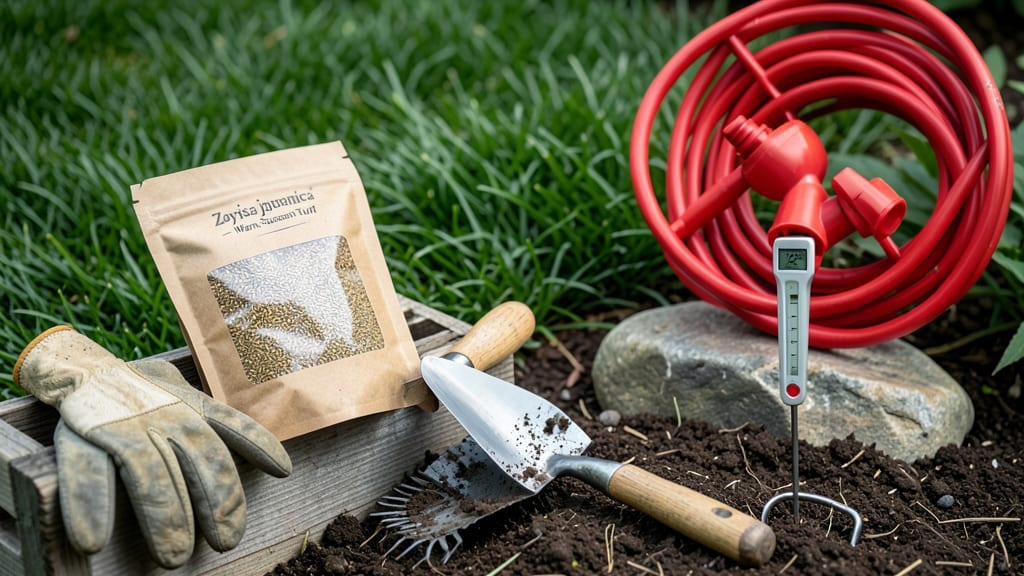
Planting Zoysia grass seed in Georgia at the right time means the difference between a thick, weed-proof lawn and a frustrating struggle with heat stress or slow growth.
If you’ve ever watched your seedling grass wilt under Georgia’s summer sun or fail to take root in cooler months, you know timing is everything. Zoysia thrives when soil temperatures hit 65–75°F, which in Georgia’s 7a-8b zones lands you squarely in late spring to early summer—May through June.
This isn’t just about picking a month; it’s about soil prep, rainfall, and even your yard’s microclimate. Skip the guesswork and learn the exact window for fast establishment and weed resistance, plus how to tweak your approach for North Georgia’s cooler pockets or South Georgia’s heat.
Below, I’ll walk you through the best months by region, soil tests to run before planting, and the one mistake that kills germination faster than drought.
Best months to plant Zoysia seed in Georgia (by region & soil conditions)
Georgia’s diverse climate means one planting window doesn’t fit all. In North Georgia, cooler springs delay ideal conditions until late May, while South Georgia can start as early as April if soil warms quickly.
The key? Soil temperatures between 65–75°F—not just calendar months. I’ll break down the best times by region and how to check your soil’s readiness before planting.
Zoysia grass thrives in Georgia’s heat once established, but seed germination struggles when soil is too cold or too hot. Planting too early risks frost damage, while late planting means slower establishment before summer’s peak heat.
The optimal window shifts 2–4 weeks depending on your location, so let’s dive into the specifics for each region.
| Region | Best Planting Months | Soil Temp Threshold | Key Considerations | Avoid Planting If |
|---|---|---|---|---|
| North Georgia (USDA 7a) | Late May – Early June | 65–70°F | Cooler nights; wait for last frost (avg. March 15) | Soil temps <65°F or night temps <50°F |
| Central Georgia (USDA 7b-8a) | Mid-April – Late May | 68–72°F | Transition zone; monitor soil temps closely | Rainfall <1 inch/week or soil >75°F |
| South Georgia (USDA 8a-8b) | Early April – Mid-May | 70–75°F | Warmer soil; ideal for early starts | Extended dry spells or soil >80°F |
To verify your soil’s readiness, use a soil thermometer buried 1 inch deep in the shade. Test it at 10 AM for accuracy—this mimics peak daytime warmth when seeds will germinate.
In North Georgia, wait until readings consistently hit 65°F for 3–5 days before planting. For Central and South Georgia, aim for 68–75°F, as warmer soil speeds up germination.
Rainfall also plays a critical role. Zoysia seed needs consistent moisture to germinate, but standing water can drown it. In dry years, supplement with 1 inch of water every 2–3 days until seedlings appear.
My trick? Set a rain gauge near your planting area to track weekly totals—aim for 1–1.5 inches during establishment.
One common mistake I see is planting based on air temperature alone. A 75°F afternoon might feel perfect, but if the soil stays below 65°F, germination will stall. Use a minimum-maximum thermometer to track soil temps for a full week before committing.
Pro tip: Morning soil temps are often 5–10°F cooler than afternoon readings—plant when mornings hit your target range.
For Central Georgia’s transition zone, timing is trickier due to unpredictable spring weather. If you plant in April, monitor for late frosts (common until mid-April) and protect seedlings with lightweight row covers if nights dip below 45°F.
In South Georgia, early April plantings can succeed if soil warms quickly, but be prepared to water daily until germination (usually 14–21 days).
If you miss the spring window, late summer (August) is your second chance—just be ready for intense heat stress. Plant only if soil temps drop below 75°F by late afternoon and you can provide shade cloth for new seedlings.
Fall plantings (September–October) are riskier in Georgia due to hurricane season and shorter growing windows before winter dormancy.
To extend your planting window, consider overseeding in early spring or late summer. This means sowing a fast-growing cover crop (like ryegrass) first, then transitioning to Zoysia once soil warms. It’s extra work, but it reduces weed competition and gives your lawn a head start.
I’ve used this method in Central Georgia to push plantings into late May without stressing the seed.
Remember: Zoysia’s drought tolerance kicks in once established, but seedlings need patience. Don’t rush—wait for the perfect soil temp window, and your lawn will reward you with dense, weed-resistant growth by summer’s end. 🌱
How to prepare your Georgia lawn for Zoysia seed planting (step-by-step)
Preparing your Georgia lawn for Zoysia seed planting isn’t just about tossing seeds and hoping for the best. The right soil conditions and timing can make the difference between a thick, green lawn and a patchy failure.
Start by testing your soil pH—Zoysia thrives in a 6.0–7.0 range. If your soil is too acidic or alkaline, amend it with lime or sulfur before planting.
Next, clear your lawn of existing weeds and debris. Use a pre-emergent herbicide 2–3 weeks before planting to prevent weed competition. For organic gardeners, hand-pull weeds or use corn gluten meal as a natural pre-emergent. This step is critical because weeds steal nutrients and shade out your new seedlings.
Now, let’s dive into the step-by-step process to create the perfect seedbed for your Zoysia grass. Follow these actions to ensure your seeds have the best chance to germinate and establish strong roots.
Step-by-Step Lawn Prep for Zoysia Seed
- Test Soil pH: Use a soil test kit to check pH. Aim for 6.0–7.0. Adjust with lime (for acidic soil) or sulfur (for alkaline soil) 4–6 weeks before planting.
- Apply Pre-Emergent: Spread pre-emergent herbicide 2–3 weeks before planting to block weeds. Follow label instructions for application rates.
- Till the Soil: Loosen the top 4–6 inches of soil with a tiller. This improves moisture retention and root penetration for your seeds.
- Level the Seedbed: Rake the area smooth to ensure even seed distribution. Fill low spots with topsoil to create a uniform surface.
- Add Compost: Mix in 2–3 inches of compost to enrich the soil with organic matter. This boosts nutrient availability for your new grass.
- Water Thoroughly: Moisten the soil to a depth of 6 inches before planting. Keep it consistently moist (not soggy) until germination.
- Spread Seed Evenly: Use a broadcast spreader to distribute seeds at the recommended rate (typically 10–15 lbs per 1,000 sqft).
After planting, lightly rake the seeds into the soil to ensure good seed-to-soil contact. This helps them stay in place and germinate faster. Cover the area with a thin layer of straw mulch to retain moisture and protect seeds from birds or harsh sunlight.
For the first 2–3 weeks, water your lawn lightly but frequently to keep the top inch of soil moist. Avoid heavy watering, which can wash away seeds or cause erosion. Once seedlings appear, gradually reduce watering frequency but increase depth to encourage deep root growth.
Finally, avoid walking on the new seedlings for at least 4–6 weeks to prevent damage. With proper prep and care, your Zoysia grass will establish a dense, weed-resistant lawn that thrives in Georgia’s climate. 🌱