
Plants
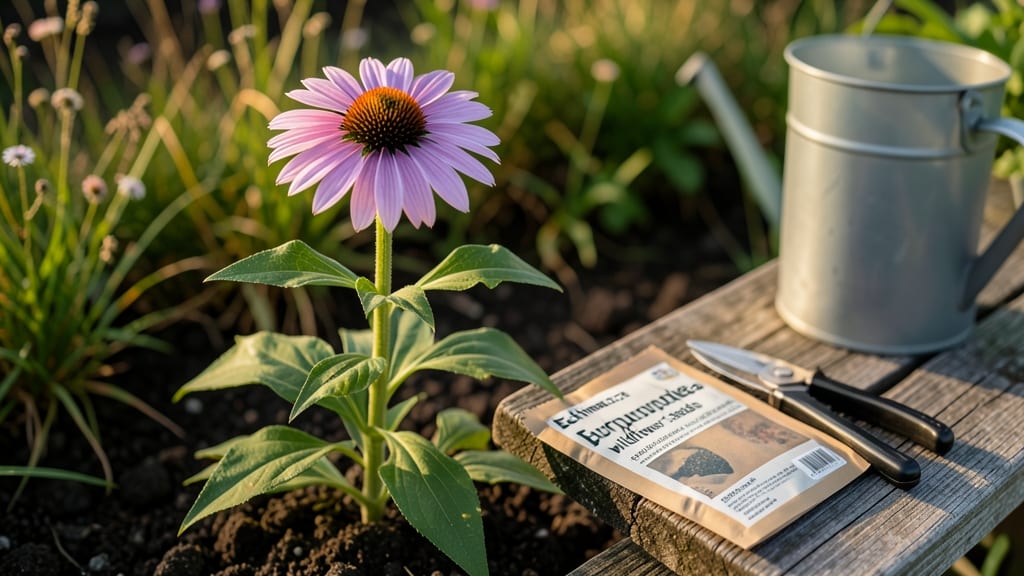
Planting wildflower seeds in Zone 7 at the right time ensures a vibrant display of color that lasts for seasons — and missing that window can leave you staring at bare soil.
Transforming your garden into a wildflower paradise 🌼 starts with timing. In Zone 7, fall and early spring are the ideal months to plant, when soil is cool and moisture levels are just right for germination. But even experienced gardeners sometimes get this wrong, leading to disappointment.
Why does timing matter so much? Wildflowers planted in summer often struggle with drought, while those sown in late fall may not establish before winter. The key is to align your planting with nature’s rhythms — and I’ll show you exactly how.
In this guide, you’ll discover the perfect planting schedule for Zone 7, soil prep secrets, and a simple checklist to guarantee success. Let’s get those seeds in the ground the right way!
Best months to plant wildflower seeds in Zone 7 for year-round blooms
Timing is everything when it comes to planting wildflower seeds in Zone 7. The USDA Zone 7 spans from Northern Virginia to Southern Missouri, where last frost dates vary by 2-3 weeks between regions.
Planting at the right time ensures strong germination and year-round blooms instead of patchy growth. Let’s break down the best planting windows for annuals vs. perennials and how to adapt for Northern vs. Southern Zone 7 microclimates.
Most wildflower seeds thrive when sown in early spring or fall, but the ideal months depend on your local climate patterns.
In Northern Zone 7 (e.g., St. Louis, MO), cooler springs and earlier frosts mean fall planting is safer for perennials, while Southern Zone 7 (e.g., Atlanta, GA) allows for spring and summer sowing with extra shade. Understanding these differences helps you avoid heat stress or frost damage.
Annual wildflowers like cosmos and zinnias germinate quickly and bloom fast, making them great for late spring or summer plantings. Perennial wildflowers, such as black-eyed Susans and coneflowers, benefit from fall planting to establish roots before winter. The key is matching the seed type to the planting window for maximum success.
Before diving into the best months, let’s compare the optimal planting windows for wildflowers in Zone 7, including soil prep tips and regional adjustments.
For Northern Zone 7 gardeners, fall planting in September is ideal for perennials like purple coneflower or black-eyed Susan. These plants need time to establish roots before first frost, which typically hits mid-November.
In contrast, Southern Zone 7 allows for summer sowing in June-July for heat-loving annuals like sunflowers or Mexican sunflower, but always provide afternoon shade
How to choose wildflower seed varieties for Zone 7 planting success
Selecting the right wildflower seed varieties for Zone 7 ensures vibrant blooms from spring to fall, but the choices depend on your goals. Do you want long-lasting color, drought-resistant plants, or native species that support local ecosystems? Each option impacts your planting timeline and garden design.
For example, annual wildflowers like cosmos and zinnias bloom quickly but need fall or early spring planting, while perennial varieties such as black-eyed Susans thrive when sown in late summer or fall for next year’s flowers.
Start by matching your bloom season preferences to seed types. If you crave spring color, opt for annuals like sweet alyssum or perennials like bleeding heart, which germinate best in late summer or fall.
For summer-long blooms, coneflowers and sunflowers are top picks, while fall-blooming varieties like asters and goldenrods should be planted in early spring. Mixing these creates a continuous color show from April through October.
Drought tolerance is another critical factor in Zone 7, where summer heat and occasional dry spells can stress plants. Native varieties like purple coneflower and butterfly weed require minimal watering once established, making them ideal for low-maintenance gardens.
Non-native options like lupines or poppies also thrive but may need occasional deep watering during dry spells. Always check seed packets for drought ratings before purchasing.
| Variety Type | Bloom Season | Best Planting Time | Drought Tolerance |
|---|---|---|---|
| Annual Wildflowers (e.g., Cosmos, Zinnias) | Spring-Summer | Fall or Early Spring | Moderate-High |
| Perennial Wildflowers (e.g., Coneflowers, Black-Eyed Susans) | Summer-Fall | Late Summer or Fall | High |
| Native Wildflowers (e.g., Purple Coneflower, Butterfly Weed) | Spring-Fall | Fall or Early Spring | Very High |
| Non-Native Drought-Tolerant (e.g., Lupines, Poppies) | Spring-Summer | Early Spring | Moderate |
For Zone 7 gardeners, pre-mixed wildflower seed blends simplify selection but may lack localized benefits. Look for blends labeled "Zone 7-friendly" or "drought-tolerant" to skip the guesswork. Popular mixes include American Beauty (spring-summer blooms) and Butterfly and Hummingbird (fall favorites).
If you prefer customization, combine 3-5 varieties for texture and color variety—pair tall sunflowers with low-growing alyssum for a layered effect.
Timing your seed purchases is just as important as planting. Order fall-sown seeds by August to avoid shortages, while spring varieties should arrive by February. Store seeds in a cool, dry place until ready to plant.
Pro tip: Stratify perennial seeds (like lupines) by refrigerating them for 4-6 weeks before sowing to mimic winter conditions and improve germination rates.
Finally, consider your garden’s microclimate. Shadier spots favor columbines or foxgloves, while sunny areas thrive with black-eyed Susans or blanket flowers.
Test soil moisture in your space—sandy soil drains faster, so opt for deep-rooted perennials, while clay soil holds moisture longer, suiting annuals like zinnias. With the right mix, your Zone 7 wildflower garden will burst with color and life year after year.