
Blooming
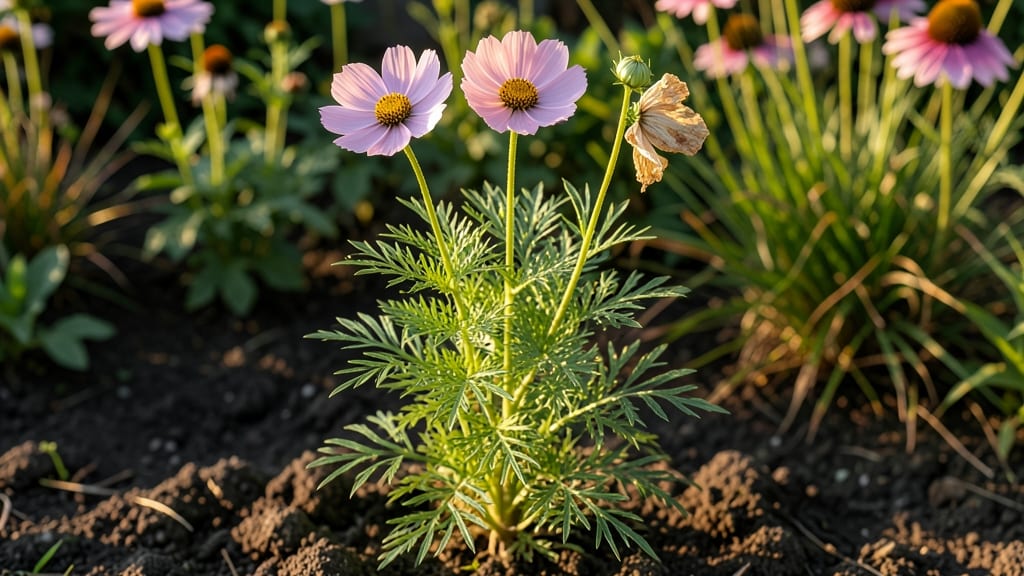
From cosmos seed to bloom time can be as quick as 6-8 weeks with the right variety and conditions, turning your garden into a burst of color faster than you’d expect.
Picture this: you’re planting seeds in early spring, and by summer, you’re cutting blooms for vases or letting pollinators feast on their nectar. But here’s the catch—some cosmos varieties bloom in half that time, while others take nearly three months to reach their peak.
The difference? Zone, sunlight, and a little extra care.
In Zone 6a, where spring nights can still dip below 50°F, early sowing in March means your cosmos might not bloom until late July. But in warmer zones like 9 or 10, you could see flowers by June if you plant at the right time.
We’ll break down the fastest varieties and how to shave weeks off their timeline.
Ready to turn your garden into a cosmos hotspot? You’ll learn which varieties bloom the fastest, how to adjust for your zone, and the one trick that cuts weeks off your wait time—no matter where you’re planting.
Fastest cosmos varieties for quick blooms: seed to flower timeline
If you're eager to see vibrant cosmos blooms brighten your garden, choosing the right variety is key. Some cosmos varieties bloom in as little as 45 days from seed, while others take closer to 90 days.
The fastest performers like 'Sensation Mixed' and 'Bright Lights' are perfect for gardeners impatient for color. These varieties thrive in warm climates and respond quickly to ideal growing conditions.
Your location plays a critical role—cosmos planted in USDA Zones 8-11 often bloom faster due to longer growing seasons. In cooler zones (like Zone 6), you may need to start seeds indoors 4-6 weeks before the last frost to meet the same timeline.
Even a few extra weeks of warmth can shave days off your bloom schedule.
Sunlight is the single biggest factor in accelerating bloom time. Cosmos need 6-8 hours of full sun daily to reach their full potential. When planted in partial shade, expect blooms to arrive 10-14 days later.
Well-draining soil rich in organic matter also speeds up germination and early growth, reducing the total time to flower.
Here’s how popular cosmos varieties compare in terms of speed from seed to bloom, along with their ideal growing conditions:
'Sensation Mixed' is the fastest cosmos variety, often blooming in just 45-55 days from seed. This makes it ideal for container gardens or small spaces where you want quick color.
The deep red 'Bright Lights' variety is another top performer, though it may take 5-10 extra days to reach full bloom compared to 'Sensation'.
For gardeners in cooler climates, direct sowing after the last frost is the fastest method. Starting cosmos indoors can backfire—these plants dislike root disturbance, and transplant shock may delay blooming by 2-3 weeks. Instead, wait until soil temperatures reach 60°F (15°C) before planting seeds directly outdoors.
Soil preparation is just as important as variety selection. Amend your garden bed with compost or aged manure before planting to ensure cosmos get the nutrients they need for rapid growth.
A light application of phosphorus-rich fertilizer (like 5-10-10) at planting time can also encourage earlier blooming by promoting root and flower development.
Once your cosmos are planted, consistent watering is crucial. While cosmos are drought-tolerant once established, young seedlings need 1 inch of water per week to prevent stunted growth.
Water deeply in the morning to reduce fungal risks and keep the soil evenly moist but not soggy. Overwatering can slow down germination and delay blooming.
Deadheading spent blooms is a simple trick to extend your cosmos' flowering season. By removing faded flowers, you encourage the plant to produce more blooms for weeks longer than it would naturally.
This practice is especially effective with 'Sensation Mixed' and 'Bright Lights', which can continue blooming until the first frost if properly maintained.
With the right variety and growing conditions, you could see your first cosmos blooms as early as late June in warm climates. In cooler regions, aim for mid-to-late July if you start seeds early.
The key is patience combined with the right techniques—soon, your garden will be a riot of color! 🌼
How hardiness Zones affect cosmos bloom speed: a zone-by-zone guide
Your hardiness zone determines whether your cosmos bloom in 6 weeks or 10 weeks. In Zone 10, you might see flowers by mid-June with proper care, while gardeners in Zone 4 should expect blooms no earlier than mid-August.
The difference comes down to frost dates, soil warmth, and growing season length—factors we’ll break down for each zone to help you time your planting perfectly.
Cosmos are frost-sensitive, so understanding your zone’s last frost date is critical. In Zones 3-5, where winters are harsh, you’ll need to start seeds indoors or use season extenders like row covers.
Meanwhile, gardeners in Zones 8-11 can often direct-sow seeds in March and enjoy blooms by early summer. Let’s explore the best planting strategies for each zone to maximize your bloom speed.
In Zones 3-5, where growing seasons are short, starting cosmos seeds indoors 4-6 weeks before your last frost date gives them a head start. Use heat mats to maintain soil temperatures above 70°F during germination, which can cut 10-14 days off your total bloom time.
Transplant seedlings outdoors only after nighttime temperatures consistently stay above 50°F—cold snaps can stunt growth and delay flowering.
Gardeners in Zones 6-7 have more flexibility but should still aim to plant after the last frost when soil temperatures reach 60°F (15°C). These zones benefit from direct sowing rather than transplanting, as cosmos dislike root disturbance.
For faster blooms, choose 'Bright Lights' and provide 8+ hours of sunlight daily—this variety thrives in cooler climates and often blooms 2 weeks earlier than slower varieties.
In warmer Zones 8-11, you can sow cosmos seeds as early as February in the ground, with blooms appearing by late May or June. These zones allow for year-round planting in mild winters, and some gardeners even plant cosmos in fall for winter blooms.
Use mulch to protect plants from unexpected cold snaps, which can cause buds to drop and delay flowering.
To extend your cosmos' bloom time in any zone, practice succession planting—sow new seeds every 2-3 weeks after the first planting. This ensures a continuous display of blooms from summer through frost.
In cooler zones, combine this with row covers to create a microclimate that protects plants from late-season frosts. With these zone-specific strategies, you can enjoy cosmos blooms 30-45 days earlier than the average timeline. 🌼