
Plants
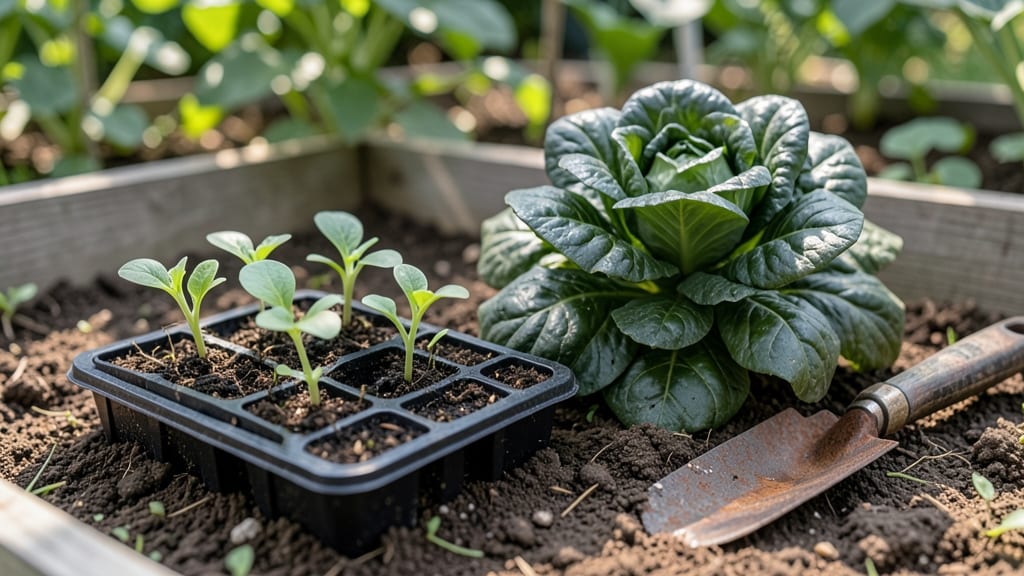
To plant seeds in Maryland, aim for after your last frost date—typically mid-April in most of the state—but the right timing depends on whether you’re growing cool-season crops like lettuce or warm-season favorites like tomatoes.
Maryland’s unpredictable spring weather can turn your gardening dreams into a guessing game unless you know the exact last frost dates for each plant type. One week too early, and a late freeze wipes out your seedlings; one week too late, and you miss the growing season entirely.
This guide breaks down the ideal planting windows for Maryland’s USDA Zones 7a-8a, from early spring greens to late-summer tomatoes, so you can avoid common mistakes like planting beans before the soil warms or tomatoes too close to summer’s heat.
You’ll learn how to use frost dates, soil temperature, and local microclimates to fine-tune your schedule—plus a checklist to confirm when it’s truly safe to plant.
Maryland’s last frost dates by region (2024 guide)
Maryland’s last frost dates vary dramatically across regions, making it critical to know your exact location’s averages. Whether you’re in Baltimore’s urban heat islands, Annapolis’s coastal moderation, or Western Maryland’s valleys, timing your seed planting correctly prevents frost damage and maximizes yields.
The USDA Plant Hardiness Zones 7a-8a cover Maryland, but microclimates—like city sidewalks or river valleys—can shift frost dates by 1-2 weeks.
Urban areas like Baltimore often experience earlier last frosts (around April 15-20) due to the urban heat effect, while Western Maryland’s Appalachian foothills can linger near freezing until May 1-5.
Coastal regions like Annapolis benefit from moderating ocean breezes, typically seeing their last frost by April 10-15. Always check local weather forecasts for 5-day outlooks before planting tender seedlings.
To refine your timing, cross-reference the USDA Zone Map with Maryland’s historical frost data. For example, Zone 7a (colder areas like Frederick County) has a higher risk of late frosts than Zone 8a (warmer areas like Calvert County).
Use the 32°F threshold as your guide—most warm-season crops (tomatoes, peppers) won’t survive temperatures below this.
Pro Tip: Adjust for microclimates in your garden. South-facing slopes warm faster, while low-lying areas stay colder. If you’re unsure, opt for cold-hardy varieties or use row covers to extend your planting window by 2-3 weeks.
| Region | Avg. Last Frost | Avg. First Frost | Frost-Free Days | USDA Zone | Microclimate Notes |
|---|---|---|---|---|---|
| Baltimore (City) | April 15–20 | October 25–30 | 160–170 days | 7b–8a | Urban heat islands delay frost; use row covers for early plants. |
| Annapolis (Coastal) | April 10–15 | November 5–10 | 180–190 days | 8a | Moderate ocean breezes extend growing season. |
| Western MD (Frederick/Hagerstown) | May 1–5 | October 15–20 | 150–160 days | 7a–7b | Valleys stay colder; plant warm crops after May 15. |
| Cumberland (Southwest) | April 20–25 | October 20–25 | 170–180 days | 7a–7b | Higher elevation; frost risk lingers longer. |
For cool-season crops like lettuce, spinach, and peas, you can plant 4-6 weeks before your region’s last frost date.
These hardy plants often survive light frosts and can even bolting if exposed to warm spells too early. Warm-season crops (tomatoes, peppers, cucumbers) must wait until 2 weeks after the last frost date, when soil temperatures reach at least 60°F.
If you’re starting seeds indoors, calculate backward: pepper and tomato seeds need 8–10 weeks of warmth before transplanting, while basil and cilantro thrive with just 4–6 weeks of indoor growing. Use a seedling heat mat (70–75°F) to speed germination for slow starters like okra or sweet potatoes.
Don’t rely solely on calendar dates—monitor soil temperature with a soil thermometer (available for $10–$15 at garden centers). Ideal soil temps for most seeds are 60–70°F, but cool-loving crops like carrots and radishes prefer 50–60°F.
Pro gardeners in Maryland also watch for dogwood trees to bloom—this signals safe planting for tender crops.
For fall planting, aim to sow cool-season crops 90–100 days before your first frost date. This gives them time to mature before winter. In Zone 8
Best seed planting schedule by plant type (cool vs. warm season)
Timing your seed planting in Maryland depends on whether your plants thrive in cool or warm seasons. Cool-season crops like lettuce and peas love the crisp spring air, while warm-season plants like tomatoes and okra need the heat of summer. Knowing these windows ensures your garden flourishes instead of flops.
For Maryland’s USDA Zones 7a-8a, aim to plant cool-season crops 4-6 weeks before the average last frost date (mid-April) and warm-season crops 2-4 weeks after. Adjust for microclimates—urban areas like Baltimore may frost later than rural spots in Western Maryland.
Start pepper and tomato seeds indoors 8–10 weeks before your last frost date to give them a head start. Maryland’s warm summers reward early starters with bumper crops. For okra and sweet potatoes, wait until after Memorial Day when soil temperatures consistently stay above 65°F.
Cool-season crops like spinach and peas can handle light frosts, but avoid planting them too early—soil must be workable and at least 40°F. If you miss the spring window, try a fall planting for a second harvest before the first frost in October.
Pro tip: Use biodegradable seed starters for warm-season plants to avoid transplant shock. Maryland’s humidity makes seedlings extra vulnerable, so keep them moist but not soggy until they’re hardened off.
🌱