
How To
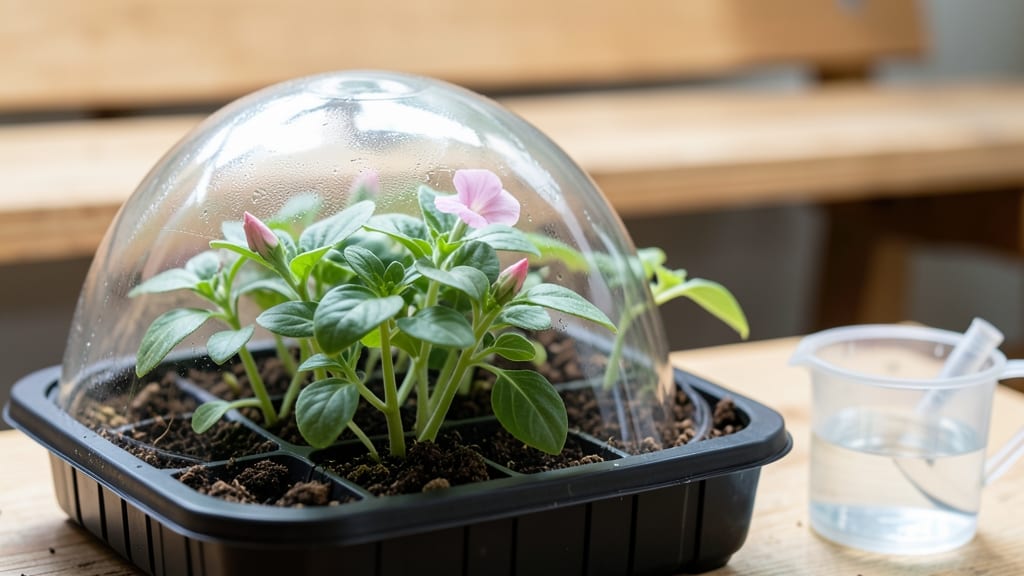
Starting impatiens seeds indoors 10 weeks before your last frost is the key to a summer of vibrant blooms 🌸 — and skipping this step means risking weak seedlings or a late display.
Picture this: You’ve waited all winter for your shady garden to burst into color, only to find your impatiens struggling because you planted too early or too late.
The difference between a thriving display and a disappointment often comes down to timing, especially when you’re working with delicate seeds that need warmth and light to germinate properly.
Whether you’re in Zone 6a or further south, the right start date ensures your seedlings are sturdy enough to handle transplanting without shock. Below, I’ll walk you through the exact window for your region, plus the indoor setup tricks that make all the difference.
You’ll learn how to calculate your local start date, avoid common pitfalls like overwatering or poor light, and even adjust for early or late seasons. By the end, you’ll know exactly when to start those seeds so your impatiens bloom on schedule—and outshine every neighbor’s garden.
Impatiens seed starting dates by US planting Zone: 10-Week countdown to blooms
Timing is everything when growing impatiens from seed, especially since these heat-sensitive beauties need a precise 10-week indoor head start to bloom by summer. Start too early, and your seedlings will outgrow their containers; too late, and you’ll miss the peak flowering season.
The key? Match your seed-starting schedule to your USDA planting zone and last frost dates.
Impatiens thrive in shady gardens but demand warmth and consistency during germination. Unlike hardy annuals, they hate cold soil and struggle with transplant shock, making indoor starts essential for most climates.
With 10 weeks until blooms, we’ll map out exact start dates by zone, accounting for regional frost risks and heat tolerance thresholds.
Here’s your zone-specific countdown to vibrant impatiens blooms, including critical transplant deadlines and adjustments for early/late seasons. Use this as your garden calendar to avoid common pitfalls like leggy seedlings or late-season disappointment.
| USDA Zone | Last Frost Date | Indoor Start Date | Outdoor Transplant Deadline | Notes |
|---|---|---|---|---|
| Zone 3 | May 15 | March 15 | May 10 | Use heat mat; extend season with row covers |
| Zone 4 | May 1 | March 1 | April 25 | Hardened seedlings needed for late frost risk |
| Zone 5 | April 15 | February 15 | April 10 | Ideal for early blooms; avoid overcrowding |
| Zone 6 | April 1 | February 1 | March 25 | Standard timing; use grow lights if weak sun |
| Zone 7 | March 15 | January 15 | March 10 | Early start prevents heat stress; monitor humidity |
| Zone 8 | February 15 | December 15 | February 10 | Can direct-sow in mild winters; still recommend indoor start |
| Zone 9 | January 15 | November 15 | January 10 | Long growing season; succession plant for continuous blooms |
| Zone 10-11 | No frost | September 15 | October 15 | Year-round planting possible; shade cloth essential |
For Zone 3-5 gardeners, aim to start seeds by mid-February to early March to ensure blooms by Memorial Day. In Zones 6-7, you can push starts slightly earlier (late January) for a longer flowering window.
Meanwhile, southern zones (8-11) offer flexibility—start in late summer or fall for winter/early spring color.
Pro tip: Use a heat mat to maintain 70-75°F soil temps during germination, which speeds up sprouting from 10-14 days to just 7-10 days. Impatiens seeds are tiny and slow, so don’t rush—patience here prevents leggy seedlings later.
Transplant outdoors 2-3 weeks before your zone’s last frost date, but only when nighttime temps stay above 50°F. Harden off seedlings for 7-10 days by gradually exposing them to outdoor conditions. This acclimation period is critical—impatiens hate transplant shock and may sulk if moved too soon.
If your zone experiences unpredictable frosts (like Zone 4-5), err on the side of earlier starts and use row covers to extend the season. For urban heat islands, adjust transplant dates 1-2 weeks later since microclimates can delay frost.
Remember: Impatiens are short-lived annuals that focus energy on
How to calculate your local impatiens seed starting window (with adjustments for early/late seasons)
Calculating the perfect indoor seed starting window for impatiens depends on three key factors: your last frost date, your local microclimate, and impatiens' heat sensitivity. Unlike hardy annuals, impatiens can't handle transplant shock well, so timing is everything.
Start too early, and you’ll waste space; too late, and your summer blooms will arrive late—or not at all.
Most gardeners follow a 10-week pre-bloom schedule, but adjustments are needed for high-altitude gardens or urban heat islands. For example, Denver’s 5,000-foot elevation delays warm soil temps by 2–3 weeks compared to sea level.
Meanwhile, city sidewalks can create microclimates where impatiens thrive 2 weeks earlier than rural areas. Let’s break it down step by step.
-
1Find your last frost date: Use the USDA Plant Hardiness Zone Map or your local cooperative extension service for precise data. For Zone 6a (like Chicago), this is typically April 15.
-
2Count backward 10 weeks: Impatiens need 10 weeks from seed to bloom. For Zone 6a, subtract 70 days from April 15 to arrive at your indoor start date: February 5.
-
3Adjust for microclimates: Add 1–2 weeks if you’re in a high-altitude zone (e.g., Denver) or subtract 1 week for urban heat islands (e.g., Phoenix sidewalks).
-
4Verify soil warmth: Impatiens seeds need 70–75°F soil to germinate. Use a seedling heat mat if your home stays below 68°F at night.
-
5Plan for transplant shock: Harden off seedlings for 7–10 days before moving them outdoors. Impatiens hate root disturbance, so use biodegradable pots for stress-free transitions.
If you’re in a Zone 7b or warmer, like Atlanta, your last frost might be March 1, shifting your start window to January 10. But don’t rush—impatiens grown too early indoors become leggy and weak from stretching toward light.
My trick? Start a second batch 2 weeks later if your first seedlings outgrow their containers before transplant time.
For high-altitude gardens (Zones 3–5), extend your countdown by 2 weeks. Cooler nights delay germination, so prioritize grow lights over natural light. In contrast, urban heat islands (like downtown Los Angeles) can push your start date 1 week earlier—just monitor soil temps closely to avoid overheating.
Pro tip: Bookmark the National Oceanic and Atmospheric Administration (NOAA) frost forecast for your region. Their 10-day outlooks help fine-tune transplant dates. Pair that with a seedling journal to track germination rates—impatiens typically sprout in 7–14 days under ideal conditions, but cooler temps can double that time.