
Plants
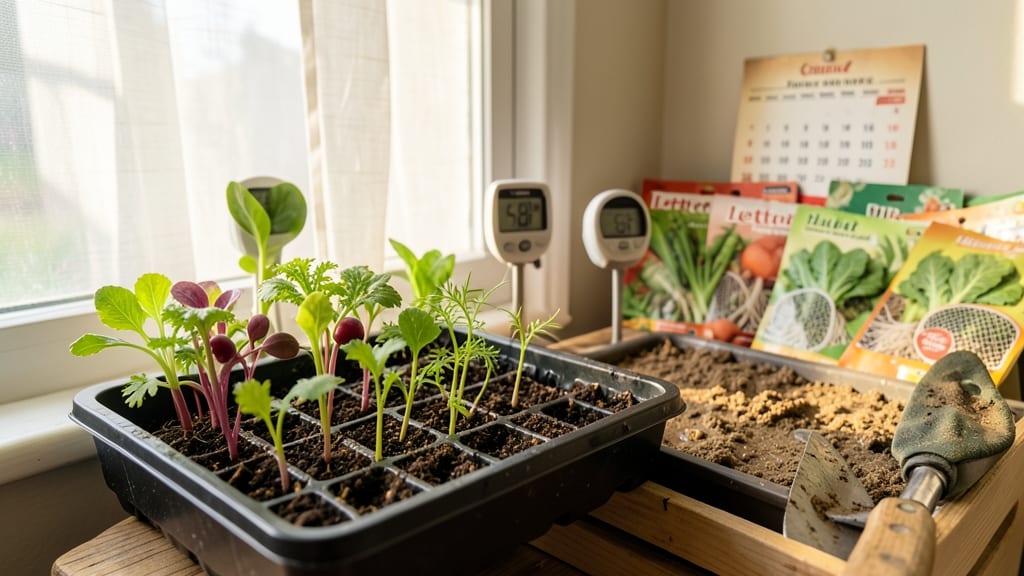
To plant seed in spring at the perfect time means the difference between a thriving garden and a sad, withered batch of seedlings 🌱—and it all comes down to frost dates, soil warmth, and the right plant type.
Timing your spring seed planting wrong can mean wasted effort—or worse, lost plants before they even sprout. I’ve watched hundreds of dollars’ worth of seeds turn to mush in too-cold soil, and I’m here to help you avoid that heartbreak.
Most gardeners in Zone 6 (like me) can start cool-season crops like lettuce and peas as early as March, but warm-season favorites like tomatoes and peppers won’t tolerate frost—so we wait until after April 15 (or later, depending on your microclimate).
Below, I’ll break down the exact frost-free deadlines by plant type, how to calculate your local window even without exact dates, and the three biggest mistakes that kill seedlings before they get a chance to grow.
Spring planting deadlines by frost Zone: exact weeks before last frost
Getting your spring planting timeline right means the difference between a garden bursting with life and one that never takes off. The key is understanding your USDA frost zone and how many weeks before your last frost you should plant each type of seed.
I’ve planted in Zone 6 for over a decade, and I’ve learned that cool-season crops like lettuce and spinach can handle light frosts, while warm-season plants like tomatoes and peppers need soil that’s at least 60°F to thrive.
Your planting window isn’t just about the calendar—it’s about soil temperature, local microclimates, and the specific needs of each plant.
For example, in Zone 5, you might plant peas 4-6 weeks before last frost, but in Zone 8, you could start them as early as February in some areas.
Below, I’ll break down the exact weeks before last frost for both cool-season and warm-season seeds, so you can tailor your planting schedule to your zone.
Use this table as your planting deadline guide. Adjust for early or late springs by checking your local frost-free date (I’ll show you how in the next section). Remember: Succession planting is your friend—stagger your warm-season seeds every 2 weeks for a continuous harvest.
| USDA Zone | Cool-Season Crops (Peas, Lettuce, Spinach) | Warm-Season Crops (Tomatoes, Peppers, Cucumbers) | Soil Temp Requirement | Notes |
|---|---|---|---|---|
| Zones 3-4 | 6-8 weeks before last frost | 2-3 weeks after last frost | 45-50°F for cool-season; 60°F+ for warm-season | Use row covers for early starts |
| Zones 5-6 | 4-6 weeks before last frost | 1-2 weeks after last frost | 50°F for cool-season; 65°F+ for warm-season | Cold frames extend season by 2-3 weeks |
| Zones 7-8 | 2-4 weeks before last frost | At last frost or slightly before | 55°F for cool-season; 70°F+ for warm-season | Longer growing season allows multiple plantings |
| Zones 9-10 | 1-2 weeks before last frost (or skip) | Plant year-round with protection | 60°F+ for cool-season; 75°F+ for warm-season | Focus on heat-tolerant varieties |
If you’re in Zone 6 like me, you’ll notice that cool-season crops like kale and broccoli can go in the ground as early as March, while warm-season crops like eggplant need to wait until after May 15 in most areas.
The soil temperature is just as critical as the frost date—warm-season plants will rot if planted too early, even if the air is warm.
For Zone 5 gardeners, consider using row covers or cold frames to extend your cool-season planting window by 2-3 weeks. In Zone 8, you might even get two harvests of warm-season crops if you plant early and late varieties.
Always check your local frost-free date—it can vary by 1-2 weeks even within the same zone.
One trick I use is to plant fast-growing radishes or spinach as early as possible, even if there’s a chance of frost. These hardy greens will sprout quickly and can handle light frosts, giving you an early harvest.
For warm-season crops, I wait until the soil reaches 60°F—I use a soil thermometer to check, and it’s saved me from losing seedlings to cold soil.
Don’t forget about succession planting! Even if you’re in the right zone, planting all your bush
How to calculate your local seed planting window (even without exact dates)
Don’t let the lack of exact frost dates hold you back from planting! Even if you don’t have your last frost date memorized, you can calculate your local seed planting window using simple methods. I’ve used these tricks for years to avoid frost damage—here’s how to do it yourself.
Start by checking your USDA Plant Hardiness Zone (find yours here). This tells you your average minimum winter temperatures, but it’s not enough alone. You’ll also need to account for soil warmth and plant-specific heat requirements.
For example, cool-season crops like spinach and peas can handle light frosts, while warm-season crops like tomatoes and peppers need soil temperatures above 60°F. If you don’t have a soil thermometer, use these historical averages as a guide:
Use the USDA Plant Hardiness Zone Map and local weather records. For Zone 6, the average last frost is April 15, but check your county’s historical data for adjustments.
Warm-season crops need soil at 60°F+. In Zone 6, soil typically hits this in late April to early May. Use a soil thermometer or wait until 3-4 weeks after your last frost.
South-facing slopes warm faster, while low areas stay cold longer. If you’re near water or in a valley, plant 1-2 weeks later than the average.
Cool-season crops (e.g., lettuce, peas) can go in 4-6 weeks before last frost. Warm-season crops (e.g., tomatoes, peppers) need to wait until 2 weeks after last frost.
If unsure, plant early and use floating row covers to protect seedlings from late frosts. This extends your planting window by 2-3 weeks.
Pro tip: Bookmark your local cooperative extension service’s website—they often publish yearly frost date updates based on recent weather patterns. For example, my local extension office in Zone 6 warned us last year that our frost-free date was 10 days later than average due to cold snaps.
Once you’ve nailed down your window, use succession planting to keep your garden productive. For instance, if your last frost is April 15, plant bush beans every 2 weeks until June 1 to ensure a steady harvest. This method works for lettuce, radishes, and carrots too!
Remember: Even if you miss the "perfect" window, don’t panic. Many seeds (like marigolds and nasturtiums) are frost-tolerant and can handle light chills. Start with hardy annuals if you’re unsure, then move to heat-lovers once soil warms up.