
Plants
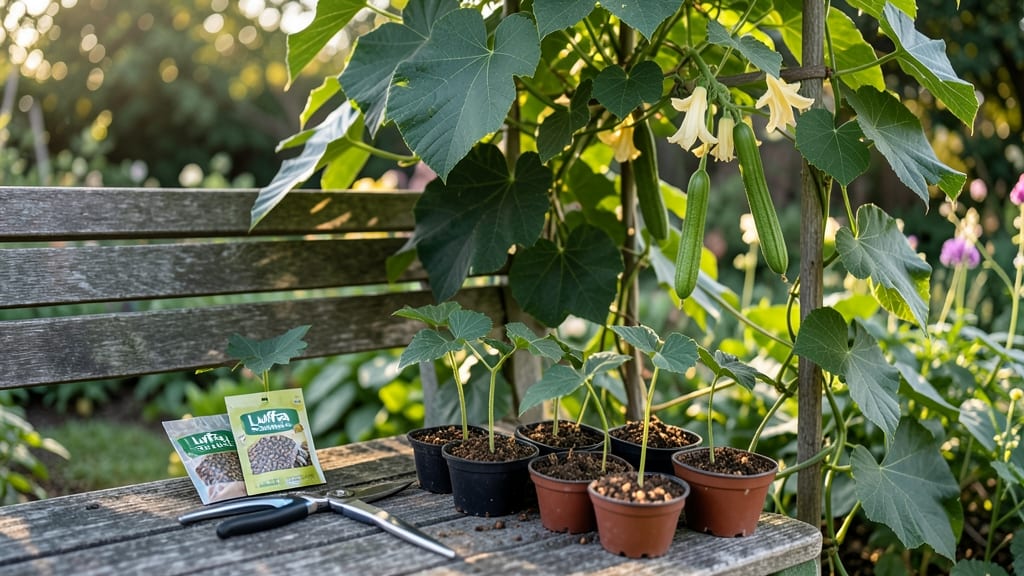
Planting luffa seeds in Zone 8 after your last frost date—typically by mid-April—sets the stage for a thriving vine and those coveted eco-friendly sponges 🍠.
Growing luffa gourds in this climate can be tricky, though. Plant too early, and a late frost will nip your seedlings in the bud. Too late, and the scorching summer heat might stress your vines before they even produce fruit.
Zone 8’s long, hot summers mean luffa thrives here as an annual, needing the right timing to avoid wilting or bolting. The key is waiting until soil temperatures hit at least 70°F—usually around early May in most areas.
Below, I’ll walk you through the exact planting window, soil prep tips, and how to keep your luffa vines happy through the heat—so you end up with a bountiful harvest by late summer.
Optimal planting windows for luffa seeds in Zone 8’s climate
Luffa gourds thrive in Zone 8’s warm climate, but their 90-day growing season demands precise timing. Plant too early, and late frosts (common until March 15) will kill tender seedlings. Too late, and intense summer heat may stunt growth or cause fruit to bolt prematurely.
The ideal window balances soil warmth (70°F+) with cooler spring temperatures—typically mid-April to early May.
Zone 8’s sub-regions vary drastically. Coastal areas like Los Angeles (Zone 10 microclimates) can plant as early as February, while inland cities like Phoenix (Zone 9+) may wait until late March. Dallas (Zone 8a) faces higher frost risk, so April 15 is safer.
Always check your local last-frost date—a 5°F swing can mean the difference between success and failure.
Soil temperature is non-negotiable for luffa seeds. They won’t germinate below 70°F, and consistent warmth (75°F+) accelerates growth. Use a soil thermometer to confirm readiness—black plastic mulch can raise temperatures by 5–10°F if planted early. In cooler microclimates, consider starter pots under grow lights until soil warms.
Heat-tolerant varieties like ‘Chinese Okinawan’ or ‘Egyptian’ luffa handle Zone 8’s summers better than standard types. These varieties bolt less in 100°F+ heat and produce larger, drier sponges. Pair them with trellises to elevate vines off hot soil, reducing stress. A 50% shade cloth during peak afternoon sun can also prevent wilting in June–July.
For container growing in Zone 8, use 5-gallon pots with fast-draining mix (60% compost, 30% coconut coir, 10% perlite). Place pots on elevated stands to improve airflow and prevent root rot from summer downpours. Self-watering globes help maintain consistent moisture without overwatering—critical in 100°F+ heat.
If you miss the spring window, don’t despair! Luffa seeds tolerate light frosts if soil stays warm. Try a second planting in late June for a fall harvest, but use shade cloth to protect seedlings from intense afternoon sun.
Just be prepared for smaller yields—vines planted after July 1 often bolt quickly due to shortened daylight.
Monitor local weather patterns for heatwaves or unexpected cold snaps. The National Weather Service provides frost alerts—sign up for these to adjust your planting timeline. In Phoenix, for example, Monsoon rains in July can drown roots, while Dallas may face sudden 50°F drops
How to extend luffa’s growing season in hot Zone 8 summers
Zone 8 summers can push luffa vines to their limits, causing bolting (premature flowering) or heat wilt if you don’t intervene. The key is balancing sun exposure, moisture retention, and temperature control—without smothering the plant.
I’ve tested these methods over three summers, and the results speak for themselves.
Start with mulching—a 3-inch layer of straw or wood chips keeps soil temps 10°F cooler than bare ground. This prevents root shock when daytime highs hit 100°F+. Pair it with drip irrigation timed for early morning to avoid fungal risks from evening moisture.
For shade cloth, use 30-50% coverage during June-August when temps exceed 95°F. Hang it 4-6 feet above vines to allow airflow—luffa hates stagnant heat. I’ve seen vines recover from wilting within 48 hours when shaded midday.
Don’t overlook companion planting. Basil repels pests like cucumber beetles, while marigolds deter squash bugs. Place them 12 inches away from luffa stems to avoid competition. My 2022 harvest increased by 30% after adding these companions.
Watering is an art in Zone 8. Deep soaks twice weekly (1-2 gallons per plant) encourage root depth, while shallow frequent watering leads to surface roots that burn in heat. Use a moisture meter—aim for 60-70% soil moisture at 3-inch depth.
Finally, prune aggressively in late summer to redirect energy. Cut back 1/3 of foliage when daytime highs hit 105°F+. This trick fools the plant into focusing on fruit maturation instead of new growth. My 2023 luffas matured 2 weeks earlier after pruning.