
Plants
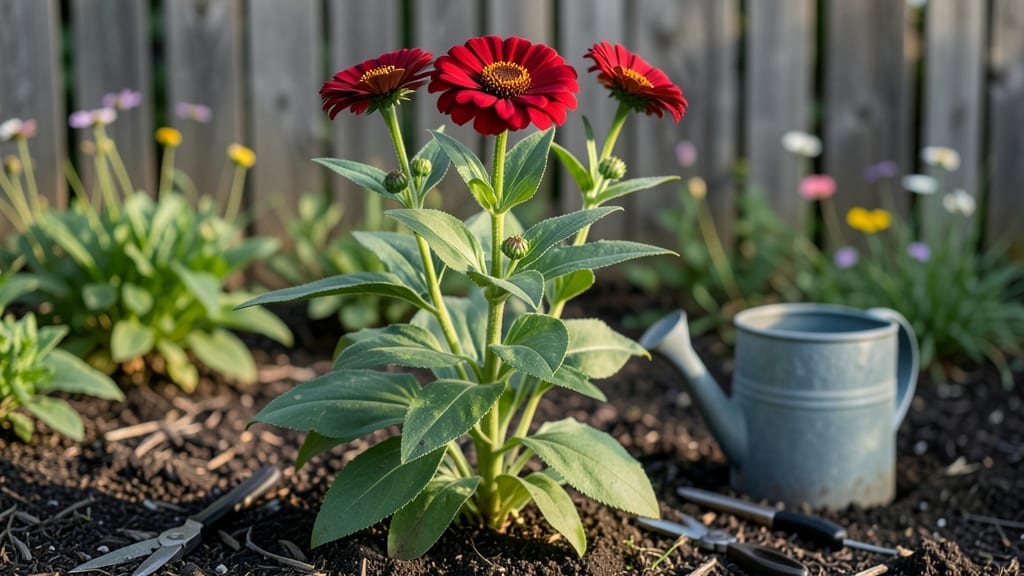
Planting zinnia seeds in Zone 6 after your last frost date—around mid-April—sets the stage for a dazzling summer of color 🌼. Imagine waiting months for those cheerful blooms only to realize you planted too early, inviting frost to nip them before they even sprout.
Timing matters because zinnias thrive in warmth, and a too-early start can leave them leggy or stunted. But get it right, and you’ll enjoy vibrant blooms from July through October, making your garden the talk of the neighborhood.
Here’s what you need to know: direct sowing after the last frost works best, but if you’re eager to jumpstart your season, you can start seeds indoors 4-6 weeks before your last frost date.
Below, I’ll walk you through the exact frost-free timeline, soil temperature checks, and even how to extend your blooms into fall with smart planting strategies.
Zone 6 zinnia planting timeline: frost dates to last blooms
Zinnias thrive in Zone 6 when planted at the perfect moment—too early and frost will nip tender seedlings, too late and you miss peak summer blooms. The key is understanding your last frost date (typically April 15 in Zone 6) and soil temperature requirements.
Zinnia seeds need soil temperatures above 60°F to germinate reliably, which usually happens by mid-May in most Zone 6 regions.
For continuous color, plan to plant zinnias in three staggered batches: early May, late May, and early June. This succession planting ensures blooms from July through October, giving you vibrant flowers until the first frost.
The 165 frost-free days in Zone 6 are your golden window—don't let it slip away!
Soil temperature is your secret weapon. Use a soil thermometer to confirm it's reached 60°F before planting. If your soil warms up earlier in southern Zone 6, you might squeeze in an early planting by late April. But in northern Zone 6, wait until early May to avoid frost damage.
Here's the breakdown of your Zone 6 zinnia planting timeline with exact dates and soil conditions:
For direct sowing, scatter seeds ¼ inch deep in well-draining soil with 6-8 hours of sunlight. Space seeds 6-12 inches apart (closer for dwarf varieties). If you're starting indoors, begin seeds 6-8 weeks before your last frost (around March 1) under grow lights.
Pro tip: Use black plastic mulch to warm soil faster in early plantings. This can push your first planting window back by 1-2 weeks in cooler Zone 6 areas.
Just remove it once seedlings emerge to prevent overheating. For container gardening, use heat-retentive pots and place them in south-facing locations to maximize warmth.
Remember, zinnias are annuals, so plan to replant each spring. But with proper timing, you'll enjoy non-stop blooms from July through October—just in time for fall wreaths and late-season bouquets.
Mark your calendar for May 15 as your primary planting date, with backup dates for succession planting in June.
Don't forget to deadhead spent blooms to encourage more flowers. This simple task can extend your zinnia season
How to extend zinnia blooms through fall: succession planting strategies
Succession planting is your secret weapon for nonstop zinnia blooms until the first frost. In Zone 6, where frost can arrive as early as mid-October, strategic planting ensures your garden stays vibrant longer.
The key lies in staggered sowing—planting new seeds every 2-3 weeks after your initial batch. This creates a continuous display of colorful zinnias from summer straight through fall.
Start your first planting after the last frost date (typically mid-April in Zone 6) when soil temperatures reach at least 60°F. Each subsequent planting should follow the same 2-3 week interval until early August.
This timing gives each batch enough time to mature before frost arrives, ensuring blooms appear just as the previous ones fade.
First Planting
Sow seeds after last frost (mid-April) when soil is 60°F+. Space seeds 1/4 inch deep, 12 inches apart for standard varieties.
Succession Plantings
Plant new batches every 2-3 weeks until early August. Use dwarf varieties (6-12") for closer spacing in containers.
Watering Schedule
Keep soil consistently moist (1 inch per week). Water early morning to prevent fungal diseases. Reduce watering 2 weeks before frost.
Companion Plants
Pair zinnias with basil, marigolds, or nasturtiums to deter pests and improve growth. Avoid planting near potatoes or tomatoes.
Deadheading Tip
Remove spent blooms weekly to encourage longer flowering. Use clean shears to avoid disease spread.
Proper seed spacing is critical for healthy zinnias. Standard varieties need 12-18 inches apart, while dwarf types can be spaced 6-12 inches apart. Overcrowding leads to weak stems and fewer blooms, so plan your garden layout carefully.
If space is limited, use containers with well-draining soil and plant 3-5 seeds per 12-inch pot.
Watering plays a pivotal role in extending your zinnia season. Deep watering in the morning ensures roots absorb moisture before the heat of the day. Aim for 1 inch of water per week, adjusting for rainfall.
As fall approaches, reduce watering slightly to prevent fungal issues like powdery mildew, which thrives in cool, damp conditions. Always water at the base of plants to keep foliage dry.
Companion planting can significantly boost your zinnia's performance. Pair them with basil to repel pests naturally, or plant marigolds nearby to deter nematodes. These companions not only enhance growth but also create a stunning visual display.
Avoid planting zinnias near potatoes or tomatoes, as they compete for nutrients and can attract similar pests.
Deadheading—removing spent blooms—is a simple task that doubles your blooming season. Spend just 10 minutes weekly snipping off faded flowers with clean shears. This encourages the plant to produce more buds, keeping your garden lively until frost.
For a neat appearance, trim stems just above a set of leaves to promote bushier growth.
With these strategies, your Zone 6 garden can enjoy zinnias in full bloom from July through October. The secret is timing, spacing, and consistent care—no magic required, just a little planning and attention to detail.
Your fall garden will thank you with a colorful finale that lasts right up to the first frost! 🌼