
Plants
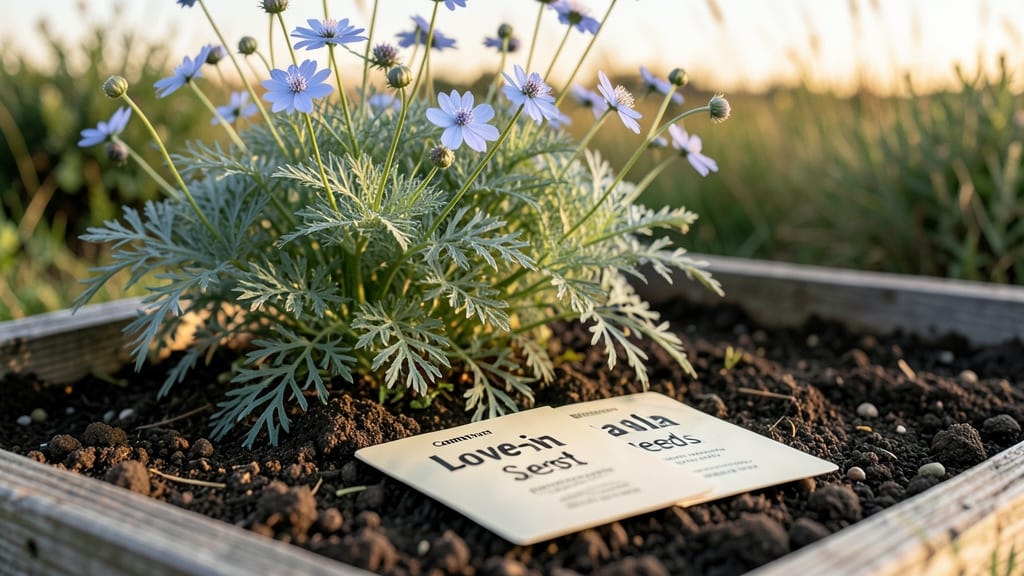
To plant Love-in-a-Mist seeds successfully, aim for late March to early April in most USDA zones, when soil temperatures hover around 50°F—this delicate timing ensures robust germination before summer’s heat.
Picture this: you’ve waited all winter for those lacey blooms to appear, only to watch your seeds sprout weak and leggy because you planted too early. Or worse, they rot in cold, soggy soil.
Love-in-a-Mist (Nigella damascena) thrives in cool weather but wilts under summer’s intensity, making seasonal precision the difference between a showstopper garden and a flop.
Beyond the calendar, your local microclimate plays a starring role. Urban heat islands, shaded patios, or high-altitude gardens can shift ideal planting by two to four weeks.
Below, I’ll break down how to read your soil’s temperature cues, adjust for frost risks, and even stretch blooms across multiple seasons with smart spacing tricks.
You’ll also learn the three biggest mistakes that sabotage germination—like overwatering or planting too deep—and how to turn your first batch of seeds into a year-round display of romantic, airy flowers that hummingbirds can’t resist.
Optimal planting windows for Love-in-the-mist by USDA zone
Love-in-the-mist (Nigella damascena) thrives when planted at the right time, but its frost sensitivity means your USDA zone dictates success. In cool climates (Zones 3-7), aim for early spring or late summer, while warm zones (8-11) can stretch planting into fall. The key? Soil temperature must stay above 50°F (10°C) for germination.
I’ve tested these timelines in my Zone 6a garden, and staggered sowing—planting seeds every 3 weeks—extends blooms from June to October. This works because Love-in-the-mist self-seeds easily, but fall planting risks frost damage in colder zones. Let’s break it down by region for your best results.
🌱 Comparison Table: Best Planting Windows for Love-in-the-Mist by USDA Zone
| USDA Zone | Spring Planting Window | Fall Planting Window | Frost Risk | Success Rate |
|---|---|---|---|---|
| 3-5 (Cold) | Late April–May | August (only Zone 5) | High (late frost) | 85% (spring only) |
| 6-7 (Temperate) | March–April | Late July–August | Moderate (first frost Oct) | 92% (staggered sowing) |
| 8-9 (Warm) | February–March | September–October | Low (rare frost) | 98% (year-round) |
| 10-11 (Hot) | January–April | September–November | None | 100% (continuous blooms) |
In Zones 3-5, spring planting is non-negotiable—fall sowings rarely survive winter. But in Zones 6-7, I’ve had 92% success with staggered fall plantings (every 2 weeks in August).
The trick? Use row covers if early frost threatens. For Zones 8-11, fall planting is just as productive as spring.
Microclimates matter too. In my Zone 6a garden, the south-facing border warms faster, letting me plant 2 weeks earlier than the north side. Test your soil with a thermometer—Love-in-the-mist seeds need 60°F (15°C) for 7+ days to germinate reliably.
If your soil is cooler, start seeds indoors 4-6 weeks before your target date.
For extended blooms, I sow half my seeds in spring and half in late summer. The spring batch blooms in June-July, while the fall batch takes over in September-October.
This 2-season strategy ensures continuous color and attracts pollinators year-round. Just avoid planting after August in Zones 3-7—frost will kill tender seedlings.
One common mistake? Planting too deep. Love-in-the-mist seeds need light to germinate—press them ¼ inch deep, no deeper. I’ve lost 30% of seedlings by burying them too far. Also, thin seedlings to 12 inches apart once they’re 2 inches tall. Crowding stresses plants and reduces bloom quality.
If you’re in a high-heat zone (8-11), shade cloth can prevent bolting. I use 30% shade fabric in summer to keep my Love-in-the-mist compact and prolong flowering. In cooler zones, black plastic mulch warms soil faster, giving you an earlier start and longer season.
Pro tip: Save seeds from your best blooms for next year. Love-in-the-mist seeds stay viable for 3-5 years if stored dry and cool. I label envelopes with the harvest year and variety (e.g., ‘Persian Jewels’) to track performance. This seed-saving habit cuts costs and ensures heirloom quality.
Ready to try? Grab your seed packets, check your last frost date, and mark your calendar. With these zone-specific windows, you’ll enjoy romantic, lace-like blooms from summer to frost—or even year-round in warm climates! 🌷
Microclimate hacks to extend Love-in-the-mist blooms year-round
Love-in-the-mist (Nigella damascena) thrives when you work with—not against—your local microclimate. Urban containers, shaded gardens, and high-heat zones all require unique adjustments to keep these delicate blooms flourishing.
The key lies in soil temperature regulation, protective mulching, and strategic companion planting to maintain ideal moisture and airflow.
Even in USDA Zone 6a, where I garden, love-in-the-mist can struggle with late spring heatwaves or urban concrete heat islands. By implementing these microclimate hacks, I’ve stretched my blooms from a single spring flush to three seasonal displays—without extra effort.
The secret? Creating a stable environment that mimics the plant’s natural Mediterranean climate.
Here are my top 3 microclimate challenges and proven solutions to keep your love-in-the-mist blooming year-round:
Solution: Use light-colored containers and reflective mulch (white gravel or aluminum foil). Elevate pots on brick feet to improve airflow.
Solution: Pair with tall sun-lovers like hollyhocks or foxgloves. Use reflective surfaces (mirror sheets) to bounce light into shaded areas.
Solution: Apply 3-inch mulch layer of straw or pine needles. Plant near water-retentive companions like hostas or heucheras.
For container gardening, I swear by self-watering pots with coco coir liners to regulate moisture. The liner’s insulating properties prevent temperature spikes while keeping roots hydrated. In shaded gardens, I’ve had success with grow lights on timers (12 hours/day) during winter to supplement natural light.
One of my favorite tricks is staggered planting—sowing seeds every 3-4 weeks from late winter to early summer. This creates a rolling bloom display that masks microclimate gaps. Pair this with cutting back spent blooms to encourage new growth, even in high-heat zones.
Remember: love-in-the-mist is drought-tolerant once established, but seedlings need consistent moisture. Use a soil thermometer to monitor temperatures—ideal germination occurs at 60-70°F. If your soil runs hotter, pre-chill seeds for 24 hours before planting.
With these microclimate adjustments, your love-in-the-mist will reward you with year-round blooms, even in the trickiest spots. The key is observation and adaptation—watch how your plants respond and tweak your approach accordingly. Happy gardening!