
Lawn
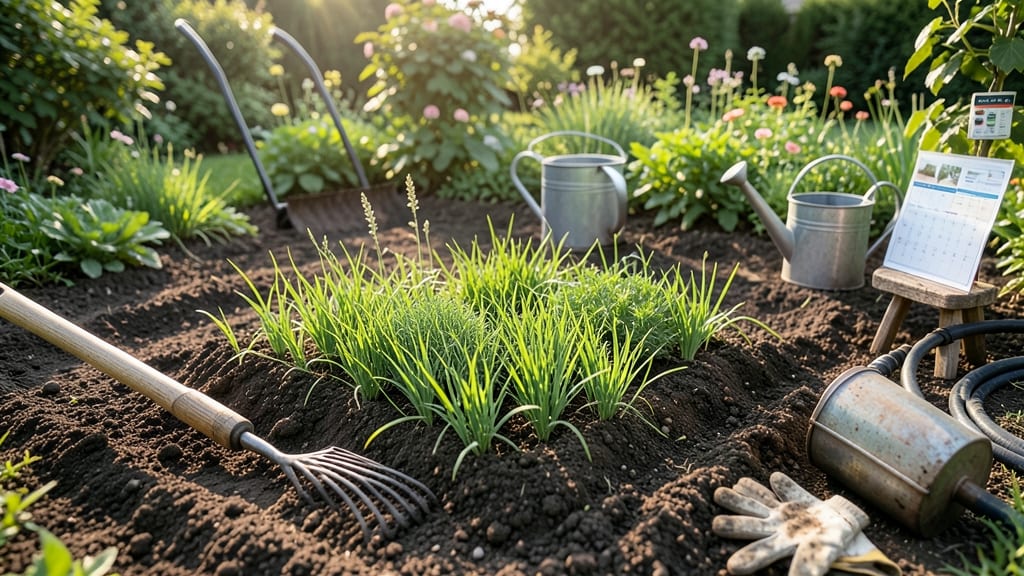
Planting grass seed in Indiana at the right time means the difference between a thick, green lawn and a patchy, weed-filled mess.
Indiana’s unpredictable spring and fall weather can make grass seed planting a guessing game—but timing is everything for lush, weed-resistant lawns. Follow this science-backed timeline to plant at the perfect moment for your microclimate, whether you're in northern Indiana’s chilly zones or southern Indiana’s milder stretches.
Most gardeners know spring is the ideal window, but the best weeks are actually April through early May—after the last frost and when soil temperatures hit 55°F or warmer.
Fall planting, however, offers a second chance in September and October, when cooler temps and regular rain give seeds the perfect start.
Below, I break down the exact frost-free windows by region, soil prep secrets to lock in moisture, and how to adjust for Indiana’s sudden weather shifts. No more guessing—just a foolproof lawn.
Indiana’s best grass seed planting windows by microclimate zone
Indiana spans USDA hardiness zones 5a through 6b, creating dramatic differences in planting windows between northern and southern regions. In zone 5a (northwest Indiana), early frosts can arrive by October 15, while zone 6b (southern Indiana) often enjoys frost-free conditions until November 1.
These microclimates demand precise timing to avoid heat stress or early dormancy.
Cool-season grasses like Kentucky Bluegrass and Tall Fescue thrive when planted during ideal soil temperatures of 60-75°F. Northern Indiana’s early fall window (late August to mid-September) gives seeds time to establish before winter, while southern Indiana’s extended window allows planting as late as October 15.
Spring planting is riskier in Indiana due to unpredictable frost dates. Wait until soil temps consistently stay above 50°F—typically mid-April to early May—to avoid seed washout from spring rains. Northern Indiana’s shorter growing season means spring planting should wrap up by May 15 to prevent summer dormancy.
Here’s how Indiana’s microclimates break down for optimal grass seed planting:
| Zone | Primary Planting Window | Secondary Window | Soil Temp Range | Rainfall Goal |
|---|---|---|---|---|
| 5a (Northwest) | Late August–Mid-September | Mid-April–Early May | 60–70°F | 0.5–1 inch/week |
| 5b (Northern) | Early September–Early October | Late April–Mid-May | 60–72°F | 0.75–1.25 inch/week |
| 6a (Central) | Mid-September–Mid-October | Early May–Late May | 62–74°F | 1–1.5 inch/week |
| 6b (Southern) | Late September–Late October | Late May–Early June | 65–75°F | 1.25–2 inch/week |
For northern Indiana, focus on early fall planting (late August) to capitalize on cool nights and warm days, which encourage root establishment before winter. In southern Indiana, extend planting into October—just avoid seeding after October 15 to prevent dormancy before roots develop.
Spring planting requires weekly soil checks. Use a soil thermometer to confirm temperatures stay above 50°F for 5+ days. In zone 5a, aim for mid-April planting; in zone 6b, you can wait until early June for late-summer germination.
Adjust for microclimates like urban heat islands (plant 2 weeks earlier1 weeksoil moisture—Indiana’s clay-heavy soils can suffocate seeds if overwatered. Aim for 1 inch of water weekly after planting, split into morning sessions to reduce evaporation.
Pro tip: In drought-prone years, prioritize shade-tolerant blends like Fine Fescue and use mulch to retain moisture. Southern Indiana’s higher rainfall allows for late-summer seeding (July-August) if you choose heat-tolerant varieties like Tall Fescue.
Monitor local weather forecasts for 10-day outlooks. If a heatwave (>90°F) is predicted, delay planting until temps drop. Conversely, if frost warnings appear before your seeds sprout, cover new seedlings with lightweight row fabric.
Remember
How to adjust planting for Indiana’s unpredictable weather patterns
Indiana’s weather can shift from 60°F sunshine to 32°F frost in a single weekend, making grass seed planting a high-stakes gamble. The key is flexibility—adjusting your timeline based on soil temperatures, microclimates, and real-time forecasts.
For example, urban areas like Indianapolis often experience urban heat islands that delay frost, while river valleys (like the Wabash) stay cooler longer.
Start by testing your soil temperature with a simple soil thermometer—grass seeds need 55°F+ to germinate reliably. If temps dip below 50°F, delay planting until conditions stabilize. My rule of thumb? Wait until you can keep the soil above 55°F for 5+ days straight—this ensures consistent germination.
For northern Indiana (USDA zones 5a-5b), aim for late April to early May in spring, while southern Indiana (zones 6a-6b) can start as early as mid-April.
Fall planting? Shoot for September 15 to October 15, but monitor the 10-day forecast—if frost is predicted within 2 weeks, pause until conditions improve.
🌱 Indiana’s Weather-Proof Planting Checklist
- Soil Temp: ≥55°F for 5+ days
- Frost Risk: No frost predicted in 2 weeks
- Rainfall: 1+ inch of rain in forecast
- Microclimate: Adjust 1-2 weeks earlier for urban areas
- Seed Dormancy: Use pre-germinated seed if temps fluctuate
✅ Pro Tip: For river valleys, plant 2 weeks later than surrounding areas—cooler air lingers longer.
Indiana’s drought-prone summers and flash floods can derail even the best-laid plans. If a drought warning is issued, prioritize deep watering (1 inch per week) and use mulch to retain moisture.
For fall plantings, a light straw mulch (¼ inch thick) protects seeds from sudden cold snaps while keeping soil warm enough for germination.
Don’t overlook microclimates—your backyard might have 3 distinct zones. South-facing slopes warm up faster, while shaded areas under trees stay cooler. Test each zone separately: plant test strips in sun, partial shade, and full shade to see where germination succeeds.
In my Indiana garden, the south-facing lawn germinates 10 days faster than the north-facing patch.
When in doubt, delay planting. A 2-week delay in spring or fall can mean the difference between thick turf and patchy regrowth. Use this weather watchlist: track NOAA forecasts, local CoCoRaHS rain gauges, and Indiana State Climate Office alerts.
Pro gardeners swear by setting a reminder for May 1 and September 15—these are the safest bet dates for most of Indiana.
Finally, embrace seed dormancy tricks for unpredictable weather. Pre-soak seeds in lukewarm water for 24 hours before planting to jumpstart germination. For late-season plantings, mix seeds with sand (1:1 ratio) to prevent clumping and improve airflow. These small tweaks can save your lawn when Mother Nature throws curveballs.