
Plants
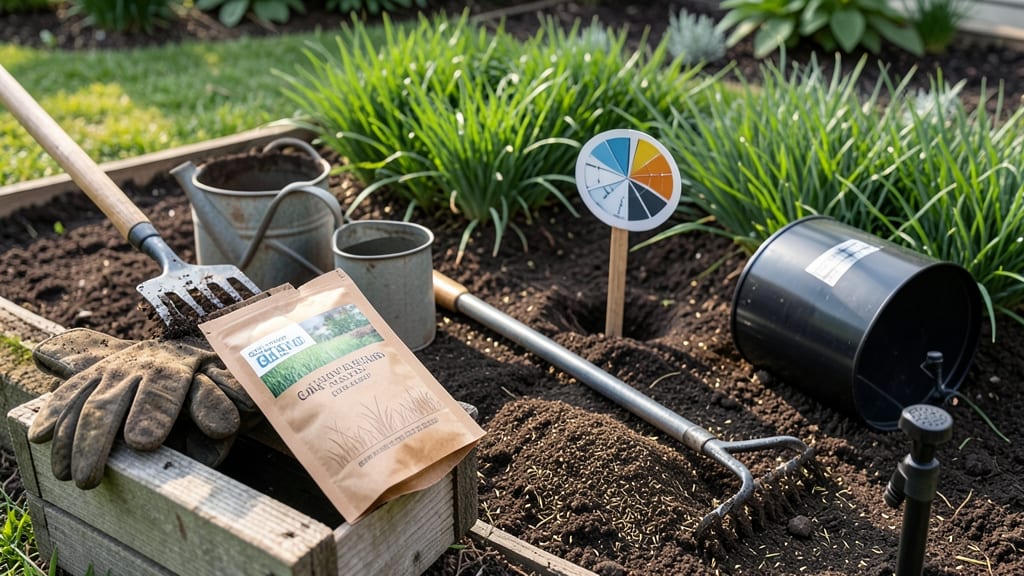
The best time to plant grass seed in Oregon is between early September and mid-October for fall planting, or March to April for spring—timing that aligns with soil temperatures and rainfall to avoid frost damage or drought stress.
Oregon’s unpredictable weather can make timing your grass seed planting a high-stakes gamble—plant too early, and frost ruins your efforts; too late, and weeds take over. But mastering the cool-season deadlines for your specific zone and microclimate ensures a lush, weed-resistant lawn year after year.
In zones like 7b-9a, where frost dates shift dramatically, coastal areas like the Willamette Valley can start as early as late summer, while inland regions like Bend may need to wait until early fall.
The key is preparing your soil by removing debris, loosening the top 4 inches, and keeping it consistently moist for the first 2 weeks of growth.
Below, I break down the exact planting windows for each zone, microclimate adjustments for coastal vs. high desert, and the critical pre-planting checks that make all the difference in germination success.
Oregon’s ideal grass seed planting windows by USDA hardiness zones
Timing your grass seed planting in Oregon depends heavily on your USDA hardiness zone and local microclimate. The primary window for cool-season grasses like Kentucky bluegrass and fescue is early fall, when soil stays warm but air cools—perfect for root establishment before winter.
However, late summer offers a secondary chance for drought-resistant varieties in hotter inland zones.
Oregon spans USDA zones 6-9, creating dramatic differences in frost dates and planting deadlines. For example, Zone 6 (eastern Oregon) has a shorter growing season than Zone 9 (coastal areas), where mild winters allow for extended fall planting.
Missing these windows risks frost damage or weed competition, so knowing your zone’s first frost date is critical.
Soil temperature is your best guide: aim for 50-65°F at 4 inches deep. In Zone 7-8 (Western Oregon), this typically aligns with September-October, while Zone 9 (coastal) can extend planting until November.
For late summer planting (June-July), focus on drought-tolerant varieties like tall fescue and prioritize consistent irrigation.
| Zone | Primary Window | Secondary Window | Soil Temp | Key Trigger |
|---|---|---|---|---|
| 6 (Eastern OR) | Late August - Mid-September | Early June (drought-tolerant only) | 50-60°F | First frost: Nov 1 |
| 7 (Western OR) | Early September - Early October | Mid-June (with irrigation) | 55-65°F | First frost: Oct 15 |
| 8 (Willamette Valley) | Mid-September - Mid-October | Late June (cooler microclimates) | 60-70°F | First frost: Nov 1 |
| 9 (Coastal OR) | October - November | July (shade-tolerant varieties) | 65-75°F | First frost: Dec 15 |
In Zone 6 (e.g., Bend or La Grande), your 2-week window before the first frost (typically November 1) is non-negotiable.
For Zone 7 (common in Portland suburbs), aim to plant by October 15 to avoid winter dieback. Zone 8 gardeners have the most flexibility, with mid-October deadlines, while Zone 9 (coastal areas like Astoria) can plant as late as November due to milder winters.
Rainfall patterns also shift timing. Western Oregon (zones 7-9) often gets consistent autumn rain, reducing irrigation needs, while eastern Oregon (zones 6-7) may require supplemental watering to prevent drought stress. Always check 7-day soil moisture forecasts before committing to late-season planting.
For late summer planting (June-July), prioritize shade-tolerant or drought-resistant varieties like fine fescue or buffalo grass. These handle hotter soil better but still need daily watering for the first 3 weeks. Avoid planting Kentucky bluegrass in summer—it struggles with heat and requires perfect germination conditions.
Pro tip: Test your soil pH (ideal 6.0-7.0) and amend with compost 2-3 weeks before planting. Cool-season grasses thrive in well-draining soil, so avoid planting after heavy rains, which can waterlog seeds. Aim for 1/4-inch water daily until germination (7-14 days) to keep soil consistently moist.
If you’re in a transition zone (e.g., Zone 7b near Mount Hood), err on the earlier side—mountain microclimates can bring unexpected frosts. Use a soil thermometer to confirm temperatures before planting; seeds won’t germinate below 50°F, no matter the calendar date.
Finally, mow high (3-4 inches) once your new grass reaches 3 inches tall—this shades roots, retains moisture, and outcompetes weeds. Skip fertilizing until after the first mow to avoid burning tender seedlings.
With the right timing, your Oregon lawn will establish deep roots before winter, giving you a lush, weed-free start in spring.
Microclimate adjustments: coastal vs. High Desert planting timing
Oregon’s dramatic elevation shifts create wildly different planting conditions. While coastal areas like Astoria and the Willamette Valley enjoy mild winters, the High Desert around Bend experiences 20°F temperature swings overnight. These microclimates can shift your ideal planting window by 2-4 weeks, making local adjustments critical for success.
Coastal regions benefit from higher humidity and consistent rainfall, allowing grass seed to establish as early as late August. In contrast, the High Desert’s low moisture levels and hot summer days demand waiting until early September to avoid drought stress.
Understanding these differences ensures your lawn thrives in its unique environment.
For coastal gardens, shade-tolerant varieties like fine fescue thrive in dense forests where sunlight is limited. These grasses establish quickly in cool, moist conditions and handle the mild winters without dormancy issues.
In contrast, High Desert lawns need drought-resistant grasses like tall fescue or buffalo grass that can withstand low humidity and intense sun exposure.
My top tip? Test your soil’s moisture retention before planting. Coastal areas often need less frequent watering once established, while High Desert lawns may require drip irrigation systems to maintain consistent moisture.
Adjust your watering schedule based on local rainfall patterns—coastal regions can rely more on natural precipitation, while desert areas need supplemental watering every 2-3 days during establishment.
Don’t forget to account for elevation differences. Areas above 3,000 feet (like Bend) experience earlier frosts and cooler soils, pushing planting back by 3-4 weeks compared to sea-level coastal zones. When in doubt, use a soil thermometer to confirm temperatures are ideal before seeding.
With these microclimate adjustments, your Oregon lawn will establish strong roots and weatherproof resilience, whether you're in the rainy Pacific Northwest or the sunbaked High Desert. 🌱