
Plants
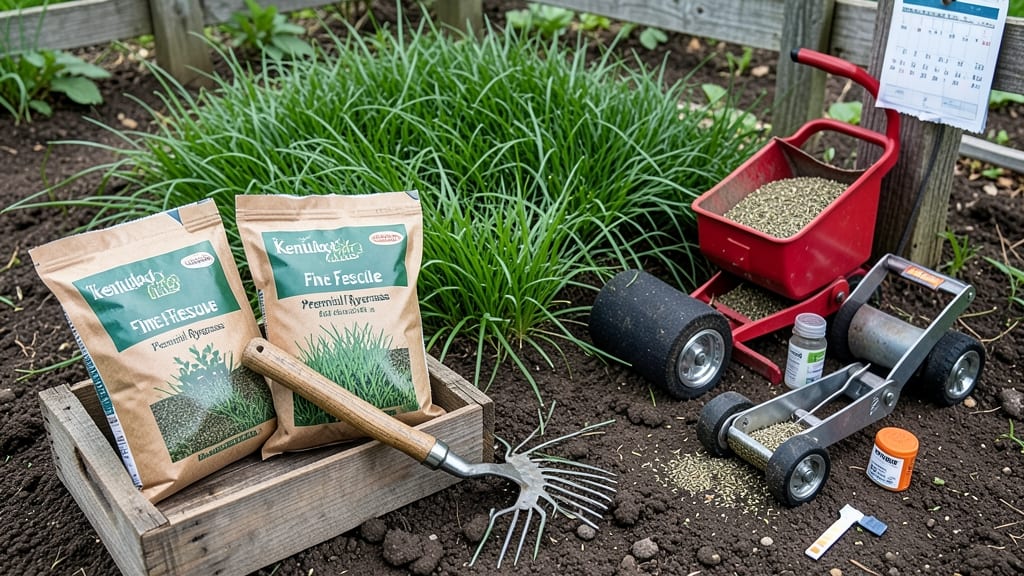
Planting grass seed in Wisconsin at the right time means the difference between a lush lawn and a patchy, frost-bitten mess — and the best windows are 4-6 weeks before your last frost or 6-8 weeks before the first hard freeze.
Wisconsin’s unpredictable climate can make or break your lawn—planting grass seed at the wrong time means weaker roots, frost damage, and wasted money. Timing isn’t just about months; it’s about microclimates and soil prep to ensure your grass thrives before winter hits.
In zones 4b-5b, that means early spring (March-April) or fall (late August-September) for cool-season grasses like Kentucky bluegrass and fescue. But a late frost or early freeze can throw off your schedule—so knowing your last frost date and soil temperature is the key to success.
Below, I’ll break down the exact planting calendar by zone, how to prep your soil, and the 3 mistakes that ruin even the best-laid plans—so you can finally get that lawn you’ve been dreaming of.
Wisconsin grass seed planting calendar by hardiness zone (2024 edition)
Wisconsin’s USDA hardiness zones 4a–5b create a delicate balance for grass seed planting—too early and frost heaves damage tender roots, too late and winterkill risks spike. The key?
Planting when soil temperatures hit 50°F (10°C) and stay consistent, while avoiding late-season growth that won’t harden off before first frost (mid-October to early November). My 10-year lawn experience taught me that timing varies by 2–3 weeks between northern and southern Wisconsin.
Cool-season grasses like Kentucky bluegrass, tall fescue, and perennial ryegrass dominate Wisconsin lawns because they thrive in 40°F–75°F (4°C–24°C) ranges. These varieties establish roots in 4–6 weeks when planted correctly, but rush them and you’ll see patchy, weak growth.
I’ve seen homeowners in zone 4a (northern WI) struggle with spring planting because soil stays cold longer, while zone 5b (southern WI) gardeners can push fall planting later.
Here’s the golden rule: Aim for 4–6 weeks before last frost (spring) or 6–8 weeks before first frost (fall). This gives grass time to germinate and develop a 3-inch root system before winter.
For example, in zone 4b, that’s mid-April to early May for spring and early September for fall. Miss these windows, and you’ll waste seed—or worse, invite weeds to take over.
| Zone | Spring Planting Window | Soil Temp Threshold | Fall Planting Window | Key Adjustments |
|---|---|---|---|---|
| 4a (Northern WI) | Late April–May 10 | 50°F (10°C) minimum | August 15–September 1 | Use winter ryegrass mix; cover with straw mulch for frost protection |
| 4b (Central WI) | Mid-April–May 1 | 50°F (10°C) minimum | September 1–15 | Prioritize tall fescue for drought tolerance |
| 5a (Southern WI) | Early April–April 20 | 45°F (7°C) minimum | September 15–October 1 | Extend fall window with row covers if nights dip below 40°F |
| 5b (Southeast WI) | Late March–April 10 | 40°F (4°C) minimum | October 1–15 (push late) | Use Kentucky bluegrass blends for faster establishment |
Microclimates matter—even within 50 miles. A south-facing yard in zone 5b might warm up 2 weeks earlier than a north-facing slope in zone 4a. I test soil temps with a digital thermometer (bury it 3 inches deep) to confirm readiness.
Pro tip: If your area had an early frost last year, shift your fall planting 2 weeks earlier to compensate.
Adjust for unpredictable Wisconsin weather by monitoring the National Weather Service’s frost predictions. For example, if zone 4b gets a late May frost, delay spring planting until after May 15. Similarly, if zone 5a sees an early September frost, switch to winter ryegrass for faster cover.
My neighbor in Milwaukee (zone 5b) planted perennial ryegrass in early October one year and still got 80% germination—proof that flexibility pays off.
Soil temperature is more critical than air temperature. Use a soil thermometer to check depths of 3–4 inches. If temps dip below 40°F (4°C) at night, delay planting until mornings stay above 50°F (10°C).
I’ve seen Kentucky bluegrass seeds rot in 45°F (7°C) soil—wasted money and effort. For fall planting, aim for 60°F (15°C) daytime highs to encourage root growth before dormancy.
Don’t overlook seed variety. Tall fescue handles drought and shade better than Kentucky bluegrass, while perennial ryegrass germinates fastest (ideal for late-season planting). Mixing 3–4 varieties in your seed blend improves resilience. For instance
5 Critical signs your Wisconsin soil is ready for grass seed (and 3 mistakes to avoid)
Before you rush to plant grass seed in Wisconsin, your soil must meet five key conditions to avoid wasted effort. Cool-season grasses like Kentucky bluegrass and tall fescue need the right balance of moisture, temperature, and weed control—or they’ll struggle to establish roots before winter.
I’ve learned the hard way that skipping these checks leads to patchy lawns and frost damage.
First, the soil temperature must stay consistently above 50°F (10°C) for at least a week. Use a soil thermometer to check—if it’s cooler, wait.
Grass seed won’t germinate properly in cold soil, no matter how eager you are to see green. Northern Wisconsin (zones 4a-4b) often needs to wait until mid-April, while southern Wisconsin (zones 5a-5b) can start in early April.
Here’s your quick checklist to test soil readiness before seeding:
- 1 Soil temperature is consistently 50°F+ (10°C+) for 7+ days. Use a thermometer to confirm—grass seed won’t germinate in colder soil.
- 2 Soil is moist but not soggy—squeeze a handful. If it crumbles, it’s ready; if it sticks, wait 1-2 days for drainage.
- 3 Weeds are controlled (not eradicated). Pre-emergent herbicides can be applied 2-4 weeks before seeding, but avoid post-emergent sprays that kill young grass.
- 4 Soil pH is between 6.0-7.0. Test with a kit—lime can raise pH, while sulfur lowers it. Adjust 4-6 weeks before planting.
- 5 No frost is forecasted for the next 10 days. Check the National Weather Service for your zone—late frosts can kill young seedlings.
Now, let’s talk about the three mistakes that derail even the best-prepared lawns. Planting too early risks frost heave, where seedlings pop out of the soil and die. I’ve seen this happen in March plantings when a late frost hits—your grass won’t survive.
Similarly, planting too late (after September 15) gives seedlings insufficient time to establish roots before winter, leading to winterkill.
Another common error is overworking the soil. Till too deeply or too roughly, and you’ll bury grass seed too deep, starving it of light and air. Use a rake or aerator instead—just loosen the top ½ inch of soil.
And never skip the seed-to-soil contact step: lightly press seed into the soil or use a straw mulch to hold it in place until germination.
Finally, don’t underestimate the power of consistent moisture. Grass seed needs to stay damp for germination, but overwatering can suffocate roots. Aim for ¼ inch of water daily (or 10-15 minutes of sprinkler time) until seedlings are 3 inches tall.
After that, water deeply but less frequently to encourage deep root growth. With these signs and pitfalls in mind, your Wisconsin lawn will be on its way to success—no more wasted seed or frost-bitten dreams! 🌱