
Planting
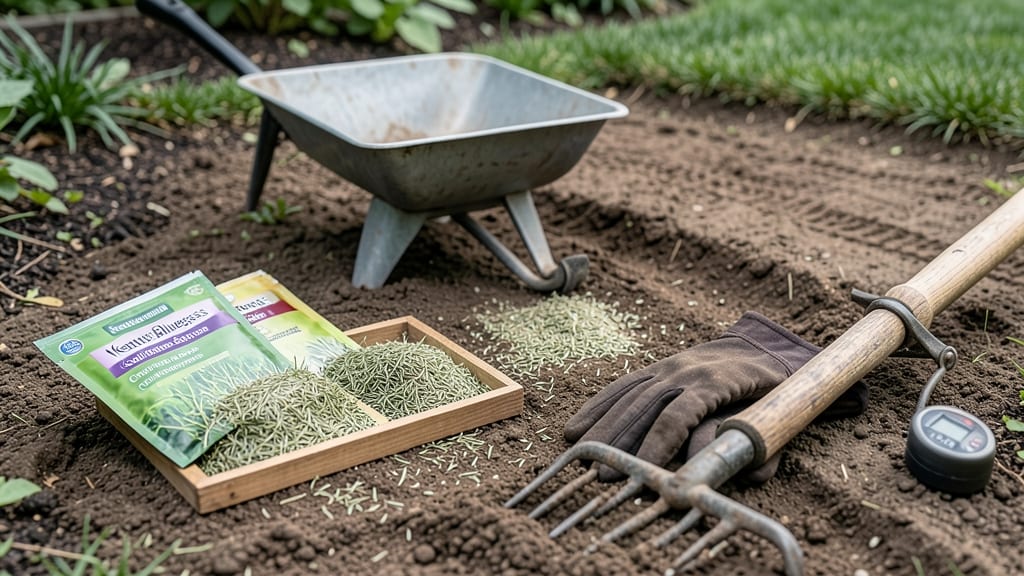
Planting grass seed in Washington State at the right time means the difference between a thick, green lawn and a patchy, frustrating failure.
Washington State’s unpredictable climate—from Puget Sound’s coastal chill to the arid heat of the Columbia Basin—means timing your grass seed planting perfectly can mean the difference between a lush lawn and a wasted effort.
Get the wrong window, and frost or drought will sabotage your hard work before roots even take hold.
Most gardeners in USDA Zones 5b-9a know the two best windows: early spring (March–April) and early fall (September–October). But those dates shift dramatically depending on whether you’re in Seattle, Spokane, or the Yakima Valley.
A late spring frost in Zone 5b can wipe out seedlings overnight, while Zone 8a’s summer heat might dry them out before they establish.
Below, I break down the exact planting schedules for your region, soil prep secrets to lock in moisture, and the 3 critical mistakes that kill grass seed in Washington—so you can skip the guesswork and get it right the first time.
Washington State grass planting zones: ideal dates by USDA hardiness Zone (5-8)
Washington State spans USDA Hardiness Zones 5-9, but the coolest zones (5-8) cover most residential lawn areas. These zones determine your last frost dates and ideal planting windows—critical for grass seed survival.
In Zone 5, you’ll face late spring frosts (May 15 in Spokane), while Zone 8 areas (like Yakima) can plant until mid-October without frost risk.
Your best planting windows are early spring (March–April) and early fall (September–October). Spring planting gives seeds time to establish before summer heat, while fall planting avoids drought and provides cooler soil temperatures. Soil temperature is your secret weapon—aim for 50–65°F for optimal germination.
Here’s how to adjust timing for your specific zone, including microclimate exceptions like Seattle’s coastal delays or Eastern WA’s earlier springs. Use this frost-free timeline calculator to pinpoint your local window:
For Zone 5 gardeners, prioritize fall planting—it’s your safest bet. Seeds germinate in cooler soil, and established roots handle winter better. In Zone 6-7, both spring and fall work, but avoid planting when daytime temps exceed 85°F—grass seed struggles to germinate in heat.
Pro tip: Use a soil thermometer to confirm temperatures. If your soil runs hotter than 70°F, wait or use shade cloth until conditions cool. Eastern
How to adjust planting for Washington’s microclimates: coastal vs. inland vs. Eastern WA
Washington’s diverse geography creates three distinct grass-growing zones, each with its own planting deadlines and seed selection rules. Coastal areas like the Olympic Peninsula enjoy milder winters and longer growing seasons, while Eastern WA’s arid climate demands drought-resistant varieties.
Inland valleys like the Yakima Valley face intense summer heat that can bake out seedlings if planted too early.
Your first decision: cool-season vs. warm-season grasses. Coastal and inland gardeners typically plant cool-season grasses like Kentucky bluegrass or fine fescue, which thrive in Washington’s 50–65°F soil temperatures.
Eastern WA’s hotter summers call for warm-season grasses like Bermuda or buffalo grass in Zone 8a areas, though these are rare in most of the state.
Soil prep varies wildly too. Coastal areas often have acidic, sandy soil that needs lime and compost to improve drainage, while Eastern WA’s alkaline, clay-heavy soils benefit from gypsum and organic matter. Inland valleys? Focus on mulching to retain moisture during 90°F+ heat waves.
Washington Grass Planting Zones: Key Adjustments
| Region | Best Planting Window | Soil Prep Tip | Grass Type |
|---|---|---|---|
| Coastal (Seattle, Olympia) | Late Aug–Sept or March–April | Add lime + compost | Kentucky bluegrass |
| Inland (Yakima, Wenatchee) | Early Sept or April | Mulch heavily | Tall fescue |
| Eastern WA (Spokane, Moses Lake) | Mid-Sept or May | Gypsum + organic matter | Fine fescue |
For coastal gardeners, aim for late August to September or March to April—these windows avoid both summer drought and winter frost. The Olympic Peninsula’s Zone 8a can even handle warm-season grasses like zoysia in sheltered microclimates. Just monitor soil moisture closely; coastal fog can delay germination.
Inland valleys like the Columbia Basin have shorter frost-free seasons (only 120–150 days in Zone 7a), so plant tall fescue in early September or April to beat summer’s 100°F+ heat.
Eastern WA’s Zone 5b areas (Spokane, Pullman) need fine fescue planted in mid-September to establish before first frost hits by October 30.
Pro tip: Use a soil thermometer to confirm 50–65°F soil temps before planting—this is your #1 predictor of success. Coastal areas hit this in late March, while Eastern WA waits until mid-May. Adjust your schedule accordingly, and your grass will thank you with deep, lush roots by summer.