
Plants
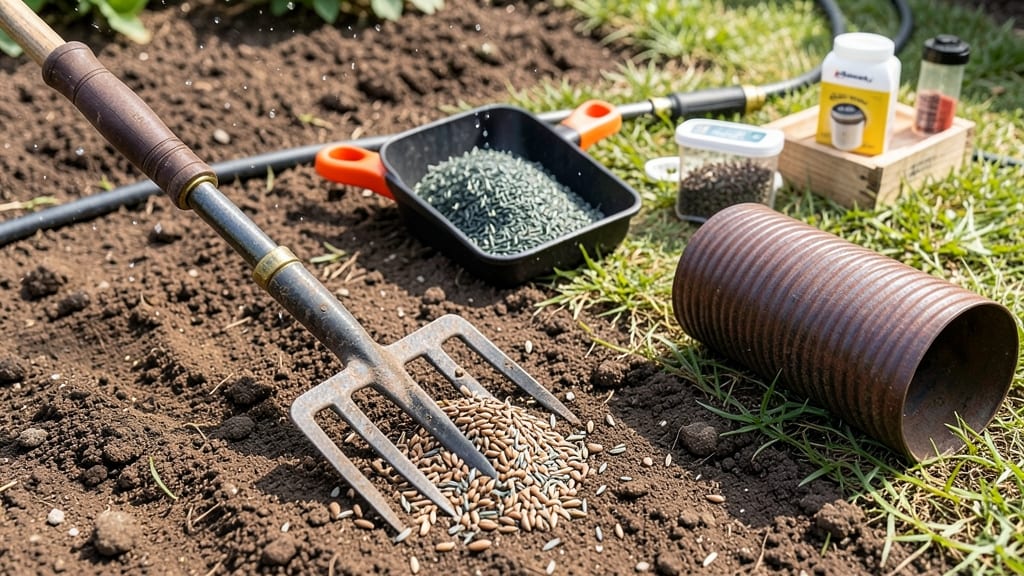
Planting grass seed in New Jersey between late August and early September gives your lawn the best shot at deep, frost-resistant roots before winter sets in 🌱.
Timing is everything when it comes to grass seed—get it wrong, and you risk sparse growth or struggling turf through harsh winters. But with the right window, you’ll establish a lush lawn that survives New Jersey’s unpredictable climate.
Most gardeners in USDA zones 6a-7b know fall is the ideal time, but why? The soil stays warm enough for germination while cooler air reduces drought stress, and you avoid the competition from weeds that explodes in summer.
In this guide, I’ll break down the exact planting window, how to prep your soil, and the care routine that turns seed into a thick, green carpet—whether you’re in North Jersey’s cooler microclimates or the milder South.
Best planting windows for grass seed in NJ: late August to early September explained
New Jersey’s late summer to early fall window—late August through early September—is the golden period for planting grass seed. This timing lets seeds germinate in warm soil while avoiding the scorching summer heat or winter frost that can stunt growth.
The USDA Zones 6a-7b in NJ provide the perfect balance of soil warmth and increasing rainfall, giving grass roots a strong foundation before winter dormancy.
During these weeks, daytime temperatures remain mild (typically 70-80°F), while nighttime lows begin cooling—ideal for grass seed to sprout quickly without stress. The soil stays warm enough (at least 50°F) to encourage root development, while rainfall patterns shift to more consistent showers, reducing the need for manual watering.
This 6-week window ensures your lawn has time to establish before the first frost (usually mid-October in NJ).
Here’s why this timing works best for NJ gardeners, including coastal vs. inland micro-climate differences:
| Factor | Late August - Early September | Why It Matters |
|---|---|---|
| Soil Temperature | 50-65°F | Seeds germinate faster in warm soil without overheating. |
| Rainfall | 1.5-2.5 inches/week | Reduces manual watering needs while keeping soil moist. |
| Daylight Hours | 12-14 hours | Grass gets enough light for photosynthesis without summer intensity. |
| Frost Risk | Low (first frost: mid-October) | Grass establishes roots before winter dormancy begins. |
| Coastal NJ | Slightly cooler, more humid | Plant 1-2 weeks earlier (late August) to avoid coastal fog delays. |
| Inland NJ | Warmer, drier | Plant early September for optimal soil moisture. |
If you’re in coastal NJ (like Cape May or Atlantic City), the cooler, humid air can delay germination slightly, so aim for late August. In contrast, inland areas (e.g., central or northern NJ) benefit from early September planting, when the soil retains more warmth and rainfall increases.
This micro-climate adjustment ensures your grass seed gets the best start regardless of where you live in the state.
Another key advantage of late summer planting is avoiding the summer drought stress that can plague spring plantings. By September, natural rainfall patterns shift, reducing your need to water daily.
However, the first 2-3 weeks are critical—keep the soil consistently moist (about ½ inch of water per week) to encourage germination. Use a rain gauge or tuna can to measure watering accuracy, as overwatering can suffocate seeds while underwatering leads to poor root development.
For shade-tolerant grass varieties (like fine fescue), late August is especially ideal because the lower sun angle in fall reduces heat stress. If your lawn has partial shade, choose a cool-season blend that thrives in 4-6 hours of sun.
In full-sun areas, tall fescue or perennial ryegrass will establish faster due to the remaining daylight hours.
One common mistake NJ gardeners make is waiting until October to plant grass seed. While still possible, seeds planted too late may struggle to germinate before the first frost, leaving your lawn vulnerable to winter weeds and poor root establishment.
To maximize success, test your soil pH (ideal: 6.0-7.0) and aerate compacted areas 1-2 weeks before planting. This prep work ensures seeds make direct contact with soil and nutrients, leading to faster germination.
For new lawns, stick to the late August-early September window to give grass 4-6 weeks to establish before winter. If you’re overseeding an existing lawn, you can extend the window slightly into mid-September, but avoid planting after mid-October
How to prepare your NJ lawn for fall grass seed planting: step-by-step guide
Fall is the perfect time to plant grass seed in New Jersey, but your lawn needs proper prep to ensure success. North Jersey’s cooler climate and South Jersey’s milder winters both demand a tailored approach—starting with soil prep and weed control.
Follow these steps to create the ideal seedbed for thick, healthy growth before winter sets in.
First, test your soil’s pH and nutrient levels using a home kit or send a sample to your local NJ Cooperative Extension office. Grass thrives in soil with a pH between 6.0 and 7.0. If your soil is too acidic, add lime (calcium carbonate) 4-6 weeks before planting.
For alkaline soil, work in sulfur or peat moss to lower the pH. This step is critical—poor soil pH can stunt germination by 30% or more.
- 🔍 Test Soil pH (ideal: 6.0–7.0)
- 🌱 Aerate Compacted Soil (rent a core aerator or hire a pro)
- 🪴 Remove Weeds & Debris (hand-pull or use pre-emergent herbicide)
- 💧 Loosen Topsoil (rake to create a fine seedbed)
- 🌾 Choose NJ-Adapted Seed (e.g., Tall Fescue for shade, Perennial Ryegrass for quick cover)
- ☀️ Apply Starter Fertilizer (high-nitrogen, 10-0-10 ratio)
- 🌧️ Water Lightly (keep soil moist but not soggy)
For small lawns (under 5,000 sq ft), manual aeration with a spike aerator or garden fork works well. For large lawns (over 5,000 sq ft), rent a core aerator to pull soil plugs, which improves drainage and root penetration.
Time aeration for late August to early September—just before seeding—to maximize benefits. If your lawn has thick thatch (over ½ inch), dethatch first to prevent seed from rotting.
Weed control is non-negotiable. Apply a pre-emergent herbicide like pendimethalin 2-4 weeks before planting to block crabgrass and other weeds. For existing weeds, spot-treat with glyphosate (like Roundup) 4-6 weeks before seeding—just be sure to follow the 30-day buffer rule before planting grass.
Pro tip: Use a slit seeder for precise seed placement and better soil contact.
Select grass seed blends suited to your NJ microclimate. For North Jersey (cooler, shorter growing season), choose Tall Fescue or Fine Fescue mixes—they tolerate frost and shade. South Jersey (warmer, longer season) lawns benefit from Perennial Ryegrass or Bermuda Grass for heat resistance.
Always buy NJ-specific seed labeled for your region to ensure hardiness.
After seeding, apply a light layer of compost or peat moss (¼ inch) to retain moisture and protect seeds from birds. Water lightly but frequently—keep the top 1 inch of soil damp for the first 2 weeks.
Switch to deep watering (½ inch per week) once germination begins (about 7-14 days). Avoid walking on new seedlings until they’re 2-3 inches tall to prevent damage.
With these steps, your NJ lawn will be ready for fall planting by mid-September, giving grass time to establish roots before winter. The key? Prep early, seed on time, and water wisely—your future lawn will thank you with thick, green growth come spring 🌱.