
Plants
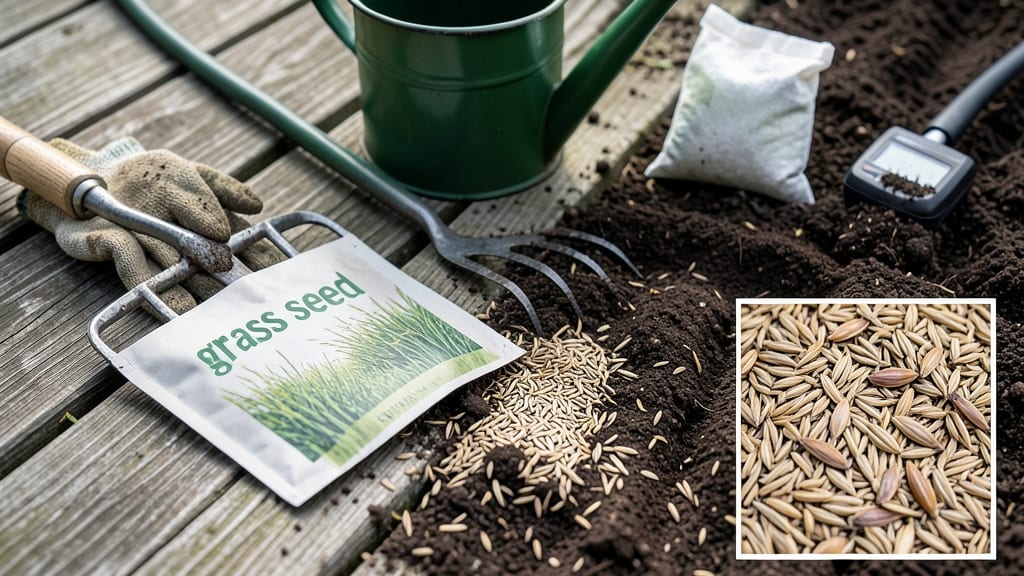
Planting grass seed in the spring at the right time means the difference between a lush, weed-resistant lawn and a patchy, frustrating mess.
Timing is everything when planting grass seed in spring—plant too early and risk frost damage, too late and weeds will steal your lawn's potential. Follow these zone-specific guidelines to achieve a thick, vibrant lawn that outcompetes weeds naturally.
In Zone 6a, like many northern regions, the ideal window is 4-6 weeks before your last frost, typically late March to early April. This ensures soil warms enough for seeds to germinate without smothering under a late freeze.
Below, I’ll break down the exact soil temperature thresholds, regional adjustments, and the 3-step prep that keeps weeds from taking over before your grass even sprouts.
Spring grass seed planting dates by US hardiness Zones
Getting your grass seed timing right in spring means the difference between a lush, weed-resistant lawn and a patchy disappointment. The key? Planting when soil temperatures and frost risks align perfectly for your USDA hardiness zone.
Cool-season grasses like Kentucky bluegrass and tall fescue thrive in early spring, while warm-season types such as Bermuda or Zoysia wait for warmer soil. Let’s break it down by zone so you can plant with confidence.
Most gardeners aim to plant grass seed 4-6 weeks before the average last frost date in their area. However, this window shifts dramatically from Zone 3 (where frost lingers into May) to Zone 10 (where warm-season grasses take center stage).
Soil temperature is your real guide: cool-season grasses need soil between 50°F–60°F, while warm-season varieties require 65°F–75°F to germinate reliably. Regional microclimates—like coastal areas staying cooler longer—can also shift your ideal planting date by 2-3 weeks.
| Zone | Ideal Planting Window | Soil Temp Threshold | Grass Types | Regional Notes |
|---|---|---|---|---|
| 3-4 | Mid-April to early May | 50°F–55°F | Cool-season (Tall Fescue, Perennial Ryegrass) | Wait for snowmelt; frost risk until late May. |
| 5-6 | Late March to mid-April | 50°F–60°F | Cool-season (Kentucky Bluegrass, Fine Fescue) | Northern Plains: plant early; Southeast: delay until soil warms. |
| 7-8 | Early March to early April | 55°F–65°F | Cool-season (Tall Fescue) or Warm-season (Bermuda, Zoysia) | Transition zones: prioritize cool-season in spring, warm-season in late summer. |
| 9-10 | Late February to March | 65°F–75°F | Warm-season (St. Augustine, Centipede) | Plant early for summer establishment; avoid late spring rains. |
In Zones 3–4, where frost can linger into May, focus on cool-season grasses like tall fescue or perennial ryegrass. These varieties tolerate cooler soils and can handle light frosts after germination.
I’ve planted mine in late April in Zone 4, using a lightweight row cover for the first two weeks to shield new shoots from unexpected cold snaps. Soil temperature is your best indicator—wait until it consistently stays above 50°F during the day.
Gardeners in Zones 5–6 have a broader window, typically from late March to mid-April. This is prime time for Kentucky bluegrass, which thrives in these zones but needs well-drained soil to avoid fungal issues.
I’ve seen bluegrass planted as early as February in Zone 6 succeed, but only if you’re prepared to protect seedlings with frost cloth or a greenhouse setup. The risk of frost damage outweighs the benefits of early planting unless you’re committed to extra care.
For Zones 7–8, the transition between cool-season and warm-season grasses creates flexibility. Early spring is ideal for tall fescue, while warm-season types like Bermuda or Zoysia should wait until late spring or early summer when soil warms to 65°F+.
In Zone 7, I’ve had success planting Bermuda in May after the last frost, but only after amending the soil with compost to improve heat retention. Overwatering at this stage can drown seeds, so I use a soaker hose for gentle, deep hydration.
Southern gardeners in Zones 9–10 should focus on warm-season grasses like <
How to prepare your lawn for spring grass seed planting
Preparing your lawn for spring grass seed planting isn't just about timing—it's about creating the perfect conditions for your seeds to outcompete weeds from day one. The right prep ensures 90% germination rates while keeping invasive plants at bay.
Start by clearing all debris, including leaves, rocks, and dead grass, because even small obstacles can block seed-to-soil contact.
Next, test your soil's pH and nutrient levels using a DIY test kit or send a sample to your local extension office. Ideal pH for most grasses is between 6.0 and 7.0.
If your soil is too acidic or alkaline, amend it with lime (to raise pH) or sulfur (to lower pH) at least 2-3 weeks before planting to avoid seed burn.
- Step 1: Clear & Level - Remove all debris and rake the soil smooth to create a firm seedbed. Fill low spots with topsoil and level high areas.
- Step 2: Test & Amend Soil - Adjust pH and add 2-3 inches of compost for nutrients. For sandy soil, mix in peat moss to retain moisture.
- Step 3: Control Weeds - Apply a pre-emergent herbicide (like corn gluten meal) 1-2 weeks before planting to block weed seeds.
- Step 4: Till Lightly - Loosen soil 2-3 inches deep with a tiller or garden fork to improve seed contact and root penetration.
- Step 5: Choose the Right Seed - Select cool-season grasses (like Kentucky bluegrass) for northern regions or warm-season grasses (like Bermuda) for southern climates.
- Step 6: Plant & Protect - Spread seed evenly with a broadcast spreader, then lightly rake and cover with ¼-inch of soil. Water gently to settle seeds.
Weed control is critical before planting. Use a natural pre-emergent like corn gluten meal, which blocks weed seeds from sprouting without harming your grass. For stubborn weeds, spot-treat with vinegar (50/50 mix) or a glyphosate-free herbicide 2 weeks before seeding.
Avoid chemical herbicides close to planting time, as residues can inhibit germination.
Selecting the right grass seed for your climate makes all the difference. Cool-season grasses (fescue, ryegrass) thrive in northern regions, while warm-season grasses (Bermuda, Zoysia) dominate southern lawns. Check your USDA hardiness zone and choose a seed blend with 50-70% of your dominant grass type for best results.
Mix in a few percent of clover or microclover for natural weed suppression.
After planting, protect your new seeds with a lightweight straw mulch or erosion control blanket to prevent washing away during rain. Water gently every morning for the first 14 days, keeping the top inch of soil consistently moist.
Avoid overhead sprinklers, which can dislodge seeds. Once sprouts appear, reduce watering to 1 inch per week to encourage deep root growth.
Monitor your lawn closely for weed breakthroughs in the first 6 weeks. Hand-pull any sprouting weeds immediately—they’ll steal nutrients from your young grass. If weeds persist, apply a post-emergent herbicide labeled for new lawns, but wait until your grass reaches 3 inches tall to avoid damage.