
Plants
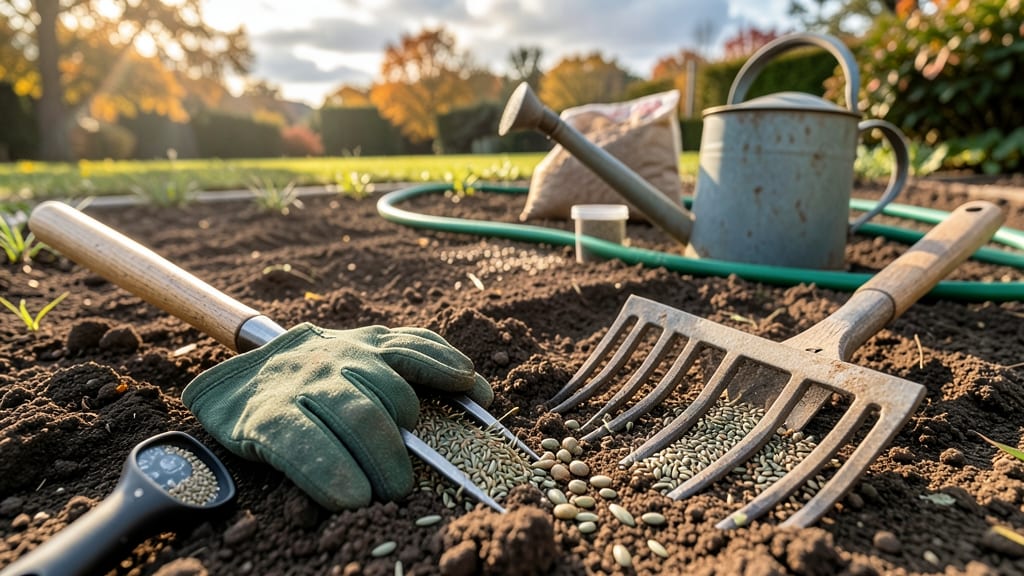
Planting grass seed in the fall 4-6 weeks before your first frost is the secret to a thick, green lawn by spring — but get it wrong, and you’ll end up with patchy, weak growth that freezes before it takes hold.
Timing your fall grass seeding perfectly can mean the difference between a lush lawn next spring and wasted effort — especially when early frosts threaten young seedlings. The ideal window isn’t just about the calendar; it’s about soil temperature, local frost dates, and even the type of grass you’re growing.
In USDA Zone 6a, that means seeding between mid-September and early October, when daytime temps hover around 60-70°F and nights stay above freezing. Too early, and your grass may bolt; too late, and it won’t root deeply enough before winter dormancy.
Below, I’ll break down the exact deadlines by zone, how to prep your soil for success, and the top frost-resistant varieties that thrive when planted in the fall. Plus, I’ll share my go-to troubleshooting tips for when Mother Nature throws a curveball.
Fall grass seed planting deadlines by US hardiness Zones
Getting your grass seed in the ground at the right time in fall is everything—especially when you're staring down first frost dates that can wipe out tender seedlings overnight. The golden rule?
Plant 4-6 weeks before your average first frost, when soil temps sit between 45-55°F for optimal root growth. In colder zones, this means late August to early September, while warmer regions can stretch into November.
Why this timing? Fall planting gives grass seedlings 6-8 weeks of warm-ish weather to establish deep roots before winter dormancy. Too early, and you risk bolting (premature flowering) or weed competition. Too late, and your grass won't have time to harden off before frost.
Below, I’ve mapped out the exact windows for every USDA zone, plus regional tweaks for northern vs. southern climates.
🌱
In Zones 3-4, where winters arrive early, I recommend starting by late August—any later, and you risk seedlings not maturing before snow cover. Use a cold-hardy mix like Tall Fescue, which tolerates -20°F once established.
For Zones 5-6, my sweet spot is mid-September, when kids are back in school and days still feel warm. This gives grass 6 weeks to root before first frost.
Southern gardeners in Zones 9-10 have the luxury of planting until early November, but don’t wait too long—soil temps drop faster than you’d expect. I’ve seen Bermuda grass seeded in October still produce green shoots in December in Zone 10, thanks to milder winters.
The key? Monitor soil temps with a soil thermometer—they should stay above 50°F for at least 4 weeks after planting.
Regional tweaks matter too. In the Pacific Northwest, where October rains are relentless, I plant 2 weeks earlier than the chart suggests. Meanwhile, in the Southeast, where humidity fuels fungal diseases, I opt for Perennial Ryegrass mixes that germinate faster.
Always check your local frost dates—they can vary by 1-2 weeks even within the same zone.
Pro tip: If you’re in a transition zone (like Zone 7b), split your seeding into two batches—plant half in September and the other half in October.
This hedges your bets against unpredictable weather. And remember, late fall (November+) is only for warm-season grasses like Zoysia or St. Augustine in Zones 8-10.
✂️
One common mistake? Assuming calendar months are universal. In Zone 5, September 15 might feel like summer, but soil temps could already be dipping toward 50°F. Always test your soil—it’s the only way to know for sure.
And if you’re oversowing an existing lawn, reduce your watering frequency by 30% to avoid smothering the new seedlings.
Finally, don’t let early frost warnings panic you. Grass can handle light frosts (down to 28°F) once it’s 2-3 inches tall. The real enemy is consistent freezing
How to adjust planting for late fall or early winter conditions
When fall arrives late or early winter sneaks up unexpectedly, your grass seeding plans can get derailed. The key to success lies in understanding soil temperature and frost prediction—both of which dictate whether your seedlings will establish roots before winter dormancy.
In USDA Zone 6a, for example, soil should stay between 45-55°F for optimal germination, but if temperatures drop too fast, even cold-hardy varieties struggle.
If you find yourself planting too late in the season, don’t panic. With the right adjustments—like choosing frost-resistant grass types or using protective coverings—you can still salvage your lawn. The goal is to give seedlings enough time to develop a 3-4 inch root system before the ground freezes solid.
Below, I’ll walk you through the critical factors and emergency measures to ensure your grass survives the season.
⚠️ Late-Season Planting Warning
If you're seeding within 2-3 weeks of frost, your success hinges on these three factors: soil temperature, seed variety, and protective measures. Use a soil thermometer to confirm temps are above 45°F—any cooler, and germination slows to a crawl. For late plantings, opt for Perennial Ryegrass (fastest germinator) or Tall Fescue (deep root system). If frost is imminent, cover seedlings with straw or frost cloth at night.
First, check your local frost prediction tools like the National Weather Service or Old Farmer’s Almanac to estimate your last safe planting window. In colder regions (Zones 4-5), aim to finish seeding by mid-September, while warmer zones (Zones 7-8) can stretch into early November.
If you’ve already missed the ideal window, focus on soil preparation—loosen compacted soil and add compost to improve drainage and warmth retention.
For emergency late-season plantings, prioritize cold-hardy grass varieties like Tall Fescue or Fine Fescue, which tolerate 20-25°F temps once established. If frost threatens, apply a 1-inch layer of straw mulch over seeded areas to insulate roots.
Avoid synthetic blankets—they can trap moisture and cause rot. Water lightly in the morning to keep soil moist but not soggy, as overwatering weakens seedlings in cold weather.
Another critical adjustment is reducing fertilizer in late plantings. Too much nitrogen can encourage tender, frost-sensitive growth. Instead, use a low-nitrogen starter fertilizer (like 5-10-10) to support root development without promoting top growth.
If you’ve already fertilized, flush the soil with water to prevent salt buildup, which can harm young roots. Monitor your lawn daily—if temperatures drop below 32°F, cover seedlings with burlap or frost cloth and remove it during the day to prevent overheating.
Finally, don’t forget to mow higher (3-4 inches) once your grass reaches 3 inches tall. Taller blades retain heat better and shade the soil, slowing moisture loss. In early winter, apply a thin layer of mulch around the base of new growth to protect against winter desiccation.
With these adjustments, even late-season plantings can yield a dense, resilient lawn by spring—no wasted effort here!