
Plants
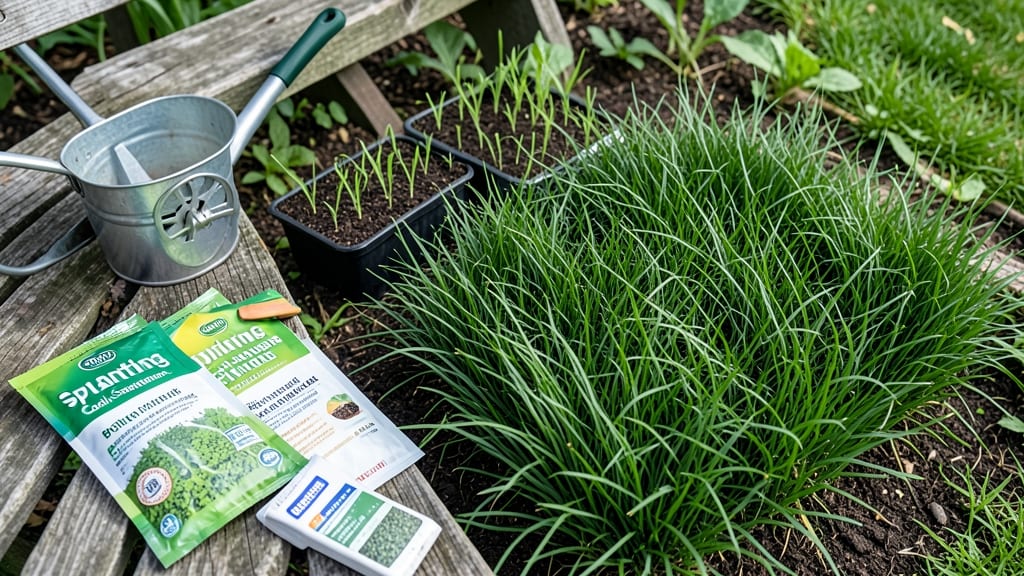
Plant grass seed in Michigan’s spring when soil temperatures hit 50–55°F and frost risk drops below 10%—typically late April to early May for most of the state.
Michigan’s unpredictable spring weather can turn a lush lawn into a guessing game—plant grass seed too early, and frost will kill your progress; too late, and summer heat will stunt root growth. Timing is everything, and missing the optimal window costs you months of weak, patchy grass.
Cool-season grasses like Kentucky bluegrass and fescue thrive when planted 4–6 weeks before the last frost, giving roots time to establish before summer’s intensity. This means starting in early April for southern Michigan or waiting until early May in the Upper Peninsula’s cooler 5b zones.
Below, I’ll break down the exact planting window by region, how to prep your soil for success, and the 5 biggest mistakes Michigan gardeners make—so you can avoid them and grow a thick, resilient lawn all season long.
Michigan’s spring grass seed planting window: exact dates for cool season grasses
Michigan’s cool-season grasses like Kentucky bluegrass and tall fescue need precise timing to thrive. Planting too early risks frost damage, while waiting too long means summer heat stunts root growth.
The ideal window is when soil temperatures reach 50–55°F and frost risk drops below 10%—typically late April to early May for most of the state.
This timing gives seedlings 4–6 weeks to establish roots before summer stress kicks in. In USDA Zone 6b (southern Michigan), you can start as early as mid-April, while Zone 5b (Upper Peninsula) may need to wait until early May.
Always check your local last frost date—it’s your planting deadline.
🌱 Key Takeaway: Cool-season grasses need 4–6 weeks of frost-free growth before summer heat arrives. Planting outside this window risks weak, patchy lawns that struggle to recover.
Michigan’s Upper Peninsula has a shorter growing season, so wait until early May to plant. Cooler soil temperatures and later frost dates mean seedlings need more time to establish. In contrast, southern Michigan can start as early as mid-April if soil warms quickly.
Use a soil thermometer to confirm temperatures—50–55°F is the sweet spot for germination. If soil is colder, wait. If it’s warmer, you risk drying out seeds before roots develop. Pro Tip: Test soil moisture too—seeds need consistent dampness but not soggy conditions.
Adjust your timeline if Michigan’s spring is early or late.
Check the National Weather Service for 10-day forecasts—if frost is predicted within 2 weeks of planting, delay until conditions stabilize. Ryegrass is more frost-tolerant and can handle cooler soils, making it a great choice for early April plantings in southern zones.
For overseeding existing lawns, aim for early September instead. Cool fall temperatures mimic spring conditions, giving grass a second chance to fill in thin patches before winter. 🌿 Fall planting often yields better results than spring for many Michigan gardeners.
Monitor your lawn’s progress after planting. Germination typically takes 7–21 days, depending on the grass type and weather. Keep soil moist but not waterlogged—this is the #1 reason Michigan lawns fail to establish properly. A light mulch of straw helps retain moisture and protect seeds from drying winds.
If you miss the spring window, don’t despair—late summer or early fall is the next best time for cool-season grasses. Just be prepared to water more frequently as summer heat arrives. ☀️ Early planting gives your lawn the best head start for a lush, green summer.
How to prepare your Michigan lawn for grass seed success (soil, weather, and pre-planting checks)
Before planting grass seed in Michigan, your soil preparation is just as critical as timing. Michigan’s clay-heavy soils in many regions drain poorly, while sandy areas dry out too quickly—both can kill young grass seedlings.
Start by testing your soil pH with a simple test kit (ideal range: 6.0–7.0 for cool-season grasses). Most Michigan soils lean acidic, so you may need to add lime to raise pH if readings fall below 6.0.
Next, focus on soil aeration to break up compaction. Rent a core aerator or use a garden fork to poke 3–4 inch holes across your lawn, spacing them 3–4 inches apart. This improves air and water flow to roots.
For heavy clay soils, mix in 2–3 inches of compost or peat moss to improve structure and drainage. Work it into the top 2–3 inches of soil where seeds will germinate.
⚠️ WARNING: Michigan’s Wet Springs Can Drown Grass Seed ⚠️ Planting too early in saturated soil leads to seed rot and fungal diseases. Always check soil moisture by grabbing a handful—if it forms a tight ball, wait 2–3 days for it to dry slightly.
For clay soils, consider building raised beds (6–8 inches high) in low-lying areas to prevent waterlogging. If your lawn has poor drainage, create swales (shallow trenches) to redirect water away from seedbeds during heavy rains.
Choose your grass seed mix based on sun exposure and foot traffic. For full sun areas (6+ hours daily), opt for Kentucky bluegrass + tall fescue blends—both handle Michigan’s heat well once established.
Shady spots (<4 hours sun) need fine fescue or ryegrass. Always buy Michigan-certified seed to avoid invasive species like crabgrass, which crowds out desirable grasses.
Clear debris and level the seedbed with a raking motion using a stiff-bristle lawn rake. Remove rocks, roots, and old thatch (keep it under ½ inch thick—thicker layers block sunlight and water).
For large bare patches, loosen soil with a broadfork to create a fine, crumbly texture resembling cake batter. This ensures good seed-to-soil contact for even germination.
Monitor weather forecasts for 5–7 days before planting. Avoid days with rain in the forecast—seeds need consistent moisture but can’t handle being waterlogged. If rain is predicted, delay planting until conditions dry. Use a light straw mulch (¼ inch thick) after seeding to retain moisture without smothering sprouts.
Water gently with a fine mist or soaker hose to keep soil evenly moist until germination (typically 7–21 days).
For Michigan’s variable spring weather, consider a two-step planting approach: spread half your seed now, then the other half 7–10 days later if early germination is uneven.
This staggered method ensures a thicker, more uniform lawn by filling in gaps where some seeds may have washed away or failed to sprout. Once seedlings reach 2–3 inches tall, gradually reduce watering to encourage deep root growth before summer heat arrives.