
Plants
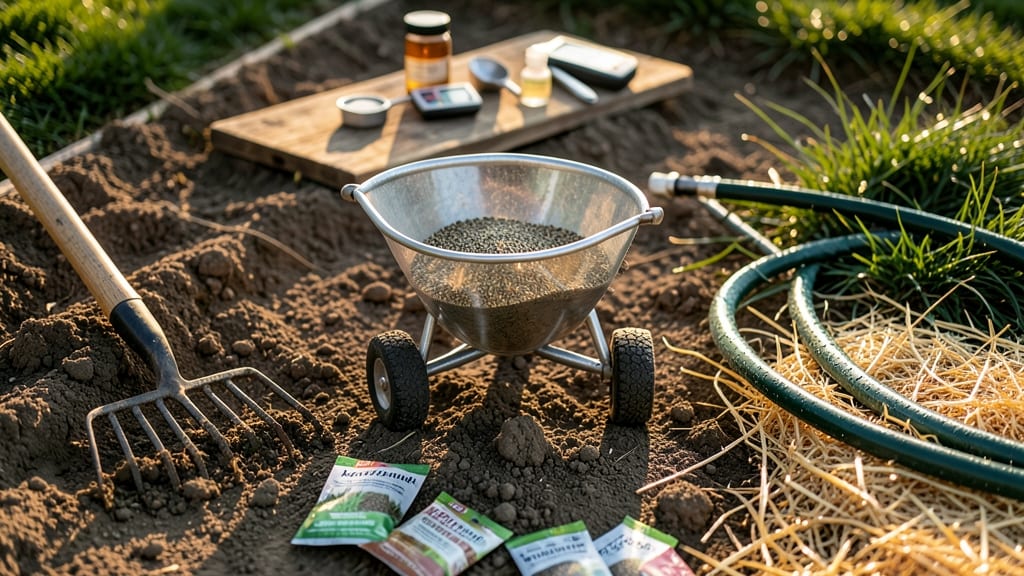
Planting grass seed in Minnesota in the fall means timing it perfectly between late August and early October—when soil stays warm enough for roots to grow but frost hasn’t yet arrived.
If you’ve ever watched your lawn turn patchy after a harsh winter, you know how much difference the right planting window makes. Too early, and summer heat stresses seedlings; too late, and roots won’t anchor before frost.
In Minnesota’s 4a-5a zones, the 4-6 week window before first frost is your best shot at a thick, resilient lawn by spring.
This isn’t just about dropping seed and hoping for the best—it’s about soil prep, choosing cold-hardy varieties, and keeping moisture consistent. Skip these steps, and you’ll end up with weak grass that struggles to bounce back after winter’s freeze-thaw cycles.
Below, I’ll walk you through the exact planting dates by region, soil prep secrets, and watering schedules that keep your grass seed thriving until snow flies. Ready to set your lawn up for success?
Optimal fall grass seed planting window in Minnesota (late August through early October)
Minnesota’s 4a-5a climate zones demand precision when planting grass seed in fall—too early, and summer heat stresses seedlings; too late, and frost kills young roots before they establish.
The ideal window spans late August through early October, when soil temperatures hover between 50-65°F, providing perfect conditions for germination without risking winter freeze.
This window isn’t arbitrary—it’s based on historical frost data and soil temperature science. In southern Minnesota (zones 5a), you can push planting to mid-October if soil stays above 50°F.
But in northern regions (zones 4a), aim for early September to avoid early frosts that hit as early as September 20th in some areas.
Here’s the key: 4-6 weeks before first frost gives grass seed time to germinate, develop roots, and build resilience. Skip this window, and you’ll end up with patchy lawns that struggle to recover after winter’s freeze-thaw cycles. Let’s break down the exact dates by region to maximize your success.
| Minnesota Region | USDA Zone | Optimal Planting Window | Soil Temp Threshold | Frost Risk |
|---|---|---|---|---|
| Southern MN (Twin Cities, Rochester) | 5a | Late August - Mid-October | 50-65°F | First frost: Oct 1-15 |
| Central MN (Minneapolis, St. Cloud) | 4b | Early September - Early October | 50-65°F | First frost: Sept 20-Oct 5 |
| Northern MN (Duluth, Brainerd) | 4a | Late August - Early September | 50-60°F | First frost: Sept 10-25 |
| Northwest MN (Fargo, Moorhead) | 4a | Late August - Mid-September | 50-60°F | First frost: Sept 15-30 |
Why these dates? Soil temperature is the #1 factor—grass seed needs consistent warmth (50-65°F) to germinate, but roots must establish before temperatures drop below freezing. In southern Minnesota, you’ve got more flexibility, while northern regions demand earlier planting to avoid early frosts that can kill seedlings in their tracks.
Pro tip: Use a soil thermometer to check temperatures before planting. If readings dip below 50°F, wait—cold soil slows germination and weakens root development. Aim for 60°F+ for fastest results, especially if you’re using fast-germinating varieties like tall fescue.
Another critical factor is daylength. Shorter fall days reduce evaporation, keeping soil moist longer—ideal for new seedlings. But don’t rely on rain alone. Water deeply 2-3x per week (or daily in dry spells) to prevent seed from drying out before it sprouts.
A light sprinkle won’t cut it; you need 1/2 inch of water per week during establishment.
Timing also depends on your grass seed variety. Kentucky bluegrass and fine fescue germinate faster in warm soil, while tall fescue is more cold-tolerant and can handle slightly later planting. If you’re unsure, opt for a mix of cool-season grasses designed for Minnesota’s climate—these blends balance speed and hardiness.
Watch for frost warnings in your area. Even if soil temps are ideal, a sudden freeze can damage tender seedlings. If frost is forecast within 2 weeks of planting, delay until conditions stabilize.
Your goal is 4-6 weeks of growth before winter, so don’t rush the process—patience here pays off in a thicker, greener lawn next spring.
Remember: Fall planting isn’t just about timing—it’s about setting your lawn up for winter survival. Grass with deep roots before frost hits will bounce back faster in spring, while weak seedlings may die back or turn brown.
By following these regional guidelines, you’ll give your lawn the best shot at thriving through Minnesota’s harsh winters.
How to prepare Minnesota soil for fall grass seed success (avoid these 3 critical mistakes)
Fall is your best chance to establish a thick, resilient lawn in Minnesota—but only if your soil is ready. Cool-season grasses like Kentucky bluegrass and fine fescue need loose, nutrient-rich soil to germinate before winter sets in.
Skipping soil prep means weak roots that struggle to survive freeze-thaw cycles, leaving you with patchy lawns come spring.
I’ve seen too many Minnesota gardeners rush this step, only to watch their seed money go to waste. The key is testing soil pH, removing weeds, and amending with organic matter—all before the first frost. Let’s break it down so your grass seed gets the perfect foundation to thrive.
⚠️ Minnesota’s Fall Planting Deadline
Plant grass seed no later than early October—that’s 4-6 weeks before your region’s first frost. In northern Minnesota (Zone 4a), aim for mid-September; southern areas (Zone 5a) can stretch to early October. After that, roots won’t establish before winter dormancy begins.
Pro Tip: Check your local USDA frost date and count backward. Seedlings need 3-4 weeks of warm soil (50-65°F) to anchor before cold hits.
Start with a soil test—Minnesota’s clay-heavy soils often have a pH of 6.5 or lower, which stunts grass growth. Cool-season grasses prefer a pH between 6.0 and 7.0.
If your test shows lower numbers, add pelletized lime (apply 2-3 months before planting). For acidic soil, sulfur amendments can help balance pH naturally.
Next, tackle weed competition—especially crabgrass and dandelions, which steal nutrients from seedlings. Use a pre-emergent herbicide 2 weeks before seeding, or hand-pull weeds after aerating. Corn gluten meal is a great organic option that also feeds soil microbes.
Aeration is non-negotiable for compacted Minnesota lawns. Rent a core aerator to pull 3-4 inch plugs from the soil, creating space for roots and seed-to-soil contact. Do this 2 weeks before planting—just enough time for the holes to settle.
Top with ½ inch of compost or well-rotted manure to improve drainage and add organic matter.
Finally, level uneven areas with a rake, filling low spots with a mix of sand and compost. Avoid heavy foot traffic after planting—seedlings need undisturbed soil to germinate.
Water lightly twice daily for the first week to keep the top inch moist, then taper to ½ inch per week as roots establish.
By following these steps, you’ll give your grass seed the best shot at surviving Minnesota’s winters. Skip even one—like aeration or pH testing—and you’re rolling the dice on a weak lawn. Trust me, your spring lawn will thank you.