
Plants
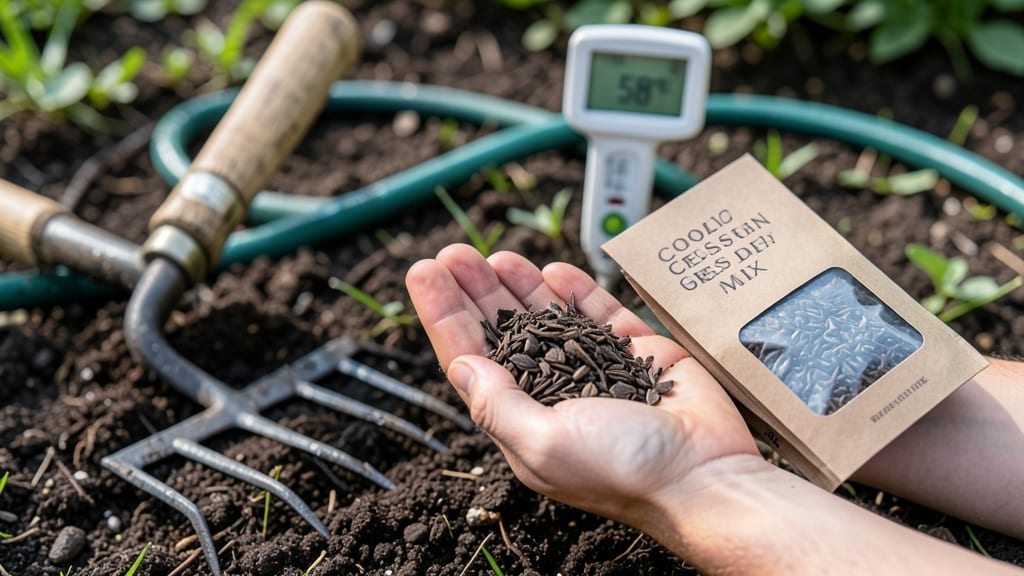
Planting grass seed in spring at the right time ensures fast germination and a thick lawn before summer heat sets in.
Timing grass seed planting in spring can mean the difference between a lush lawn by summer and months of patchy, slow growth—soil temperature is the secret weapon most gardeners overlook. Too early, and frost will kill tender sprouts; too late, and weeds take over before your grass gets a foothold.
In USDA Zone 6a, aim for planting 4-6 weeks before your last frost date—typically mid-March to early April—when soil warms to 55-65°F. This window balances moisture, warmth, and daylight for optimal seed activation.
Below, I’ll break down how to check soil temperature, adjust for your region, and avoid the 3 biggest mistakes that turn spring planting into a gamble. Ready to grow grass that outpaces weeds?
Ideal soil temperature ranges for spring grass seed germination
Soil temperature is the single most important factor for successful grass seed germination in spring. Most grass seeds won't sprout until the soil reaches at least 50°F, but optimal germination occurs between 55°F and 75°F—depending on whether you're planting cool-season or warm-season varieties.
Planting too early when soil is cold leads to slow, uneven growth, while waiting too long risks weed competition and summer heat stress.
Cool-season grasses like Kentucky bluegrass, fescue, and ryegrass thrive when soil temperatures hover between 55°F and 65°F. These varieties are perfect for Northern climates (USDA Zones 3-6) and can handle cooler spring conditions.
In contrast, warm-season grasses such as Bermuda, Zoysia, and St. Augustine need warmer soil between 65°F and 75°F, making them ideal for Southern regions (Zones 7-10).
Here’s the critical rule: Wait until the 5-day forecast shows consistent temperatures above 50°F before planting. Use a soil thermometer (inserted 2-3 inches deep) to confirm—this is far more accurate than guessing by air temperature.
For example, a 60°F air temp might still hide 45°F soil in the morning, which will stall germination for days.
| Grass Type | Ideal Soil Temp Range (°F) | Best USDA Zones | Spring Planting Window | Regional Adjustments |
|---|---|---|---|---|
| Cool-Season Grasses | 55°F–65°F | 3–6 | Early spring (4–6 weeks before last frost) | Northern climates: Plant by April 15 (Zone 6a) |
| Warm-Season Grasses | 65°F–75°F | 7–10 | Late spring (after last frost, when soil warms) | Southern climates: Plant by May 1 (Zone 8a) |
| Transition Zone Grasses (e.g., Tall Fescue) | 50°F–70°F | 5–8 | Early to mid-spring (flexible window) | Zones 5–8: Monitor soil temp daily; plant when stable above 55°F |
Testing soil temperature is easier than you think. Purchase a $10 soil thermometer from your local garden center or use a meat thermometer (clean it first!). Insert it 2–3 inches deep in the soil, away from direct sunlight, and check readings in the late afternoon when soil is warmest.
For cool-season grasses, aim for three consecutive days above 55°F before planting. Warm-season grasses require five days above 65°F to activate germination.
Regional adjustments are key. In Northern states like Minnesota or Maine, soil may stay below 50°F until late April or early May. Use black plastic mulch or a cold frame to warm soil faster if you’re eager to plant.
Conversely, in Southern states like Texas or Florida, soil can hit 70°F+ by March, making early spring the perfect time for warm-season grasses. Always cross-reference soil temps with your local frost dates—planting too early risks frost damage, while waiting too long invites weeds.
Pro tip: Rent a seed drill or use a broadcast spreader to ensure even seed distribution once soil temps are ideal. Uneven planting leads to thin patches and weed infiltration.
Water lightly after planting to settle seeds into the soil, then keep the area consistently moist (not soggy) until germination, which typically takes 7–21 days depending on the grass type and weather.
If you’re in a transition zone (like Zone 6a), consider planting cool-season grasses in early spring and warm-season grasses in late summertall fescue (a transition zone favorite) can handle soil temps as low as 50°F but thrives at 65°F, making it versatile for spring planting.
Remember: Soil temperature > air temperature for germination success. Don’t let a 70°F day fool you—if the soil is still 48°F, your seeds are in a dormant waiting game. Invest in a thermometer, track daily readings, and adjust your planting schedule accordingly.
With the right soil temps, your grass will sprout within 10–14 days, outpacing weeds and giving you that coveted summer-ready lawn. 🌱
5 Critical factors that determine your perfect planting window
Finding the perfect window for planting grass seed in spring isn't just about checking a calendar—it's about understanding how local conditions interact with your seed type. While soil temperature is crucial, four other factors often decide whether your grass thrives or struggles.
Let me show you how to combine these elements for foolproof timing.
First, frost dates set the absolute deadline for cool-season grasses like tall fescue and Kentucky bluegrass. Planting before the last frost risks killing tender sprouts, but waiting too long lets weeds establish dominance.
For USDA Zone 6a, this typically means aiming for mid-March to early April—but your exact date depends on your region's frost history.
Rainfall patterns are the second critical factor, often overlooked but just as important as temperature. Grass seeds need consistent moisture to germinate, so check your 10-day forecast before planting.
Aim for at least 1 inch of rain weekly—if natural rainfall falls short, plan to water gently (but not heavily) to avoid washing seeds away. Pro tip: Use a rain gauge to track moisture levels accurately.
Local microclimates can shift your planting window by weeks, even within the same neighborhood. A south-facing slope might reach ideal soil temperatures two weeks earlier than a shaded backyard. To account for this, test soil temperature in multiple spots using a soil thermometer (insert 2-3 inches deep).
If temperatures vary by more than 5°F, adjust planting dates for each area accordingly.
Seed type maturity rates determine how quickly your lawn will establish itself. Fast-germinating varieties like annual ryegrass sprout in just 7-14 days, giving you a quick competitive edge against weeds. Slower varieties like tall fescue take 14-21 days to germinate, so plant these slightly earlier in the window.
Always check the seed packet for days to germination—this is your secret weapon for outpacing weeds.
Finally, don’t rely on a single day’s forecast—use a 10-day outlook to lock in your planting date. Look for stable conditions with no predicted temperature drops below 40°F or heavy rains that could wash seeds away.
Websites like the National Weather Service or apps like Weather Underground provide detailed regional forecasts. Planting when the forecast shows consistent warmth and moisture gives your seeds the best chance to establish roots before summer heat arrives.