
Plants
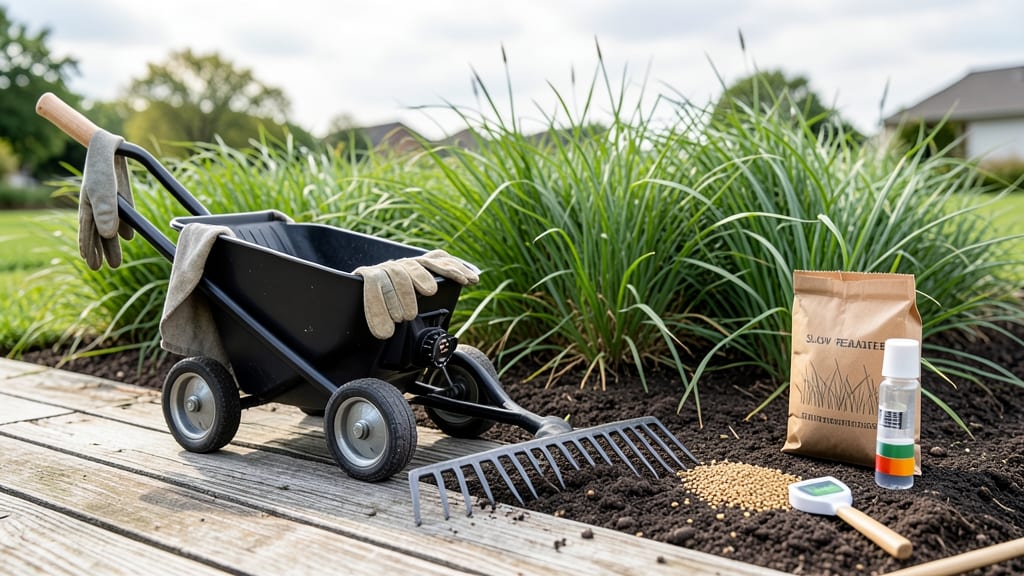
Planting grass seed in Ontario’s spring between late April and early June is the key to a lush lawn—miss that window, and you risk slow germination or wasted seeds.
Struggling to get your Ontario lawn looking lush and green? Planting grass seed at the wrong time can mean slow germination, patchy growth, or even wasted seeds—and spring is the perfect window to get it right.
In Zone 5b, soil temperatures and frost dates dictate the ideal planting time. Too early, and your seeds may rot; too late, and summer heat can dry them out before they take hold.
This guide breaks down the exact soil temperature ranges, regional deadlines, and fast germination tips so you can plant with confidence and see results in weeks.
Best soil temperature ranges for planting grass seed in Ontario spring
Ontario's Zone 5b climate means timing your grass seed planting to soil temperatures is everything. The ideal range for most grass types is 50°F to 65°F (10°C to 18°C), but cooler northern regions may need adjustments.
Too cold, and seeds won't germinate; too warm, and they'll dry out before sprouting.
Southern Ontario (e.g., London, Hamilton) typically hits these temperatures by late April to early May, while northern areas (e.g., Sudbury, Thunder Bay) may need to wait until mid-to-late May. Always check your local frost dates—planting too early risks frost damage to tender seedlings.
Different grass types have unique temperature preferences. Cool-season grasses like Kentucky bluegrass and fescue thrive at 50°F to 60°F (10°C to 15°C), while warm-season grasses like Bermuda prefer 65°F to 75°F (18°C to 24°C). Since Ontario's spring fluctuates, cool-season grasses are the safer bet for most lawns.
To test soil temperature accurately, use a soil thermometer inserted 2-4 inches deep. Check temperatures in the morning for consistency—afternoon heat can skew readings. Aim for 5 days of stable temperatures within your target range before planting.
Northern Ontario's cooler springs often mean delayed planting. If your soil stays below 50°F (10°C) past mid-May, consider using a seed starter solution or waiting until early June. The trade-off? Earlier planting gives grass a head start before summer drought sets in.
Southern Ontario's warmer microclimates allow for earlier planting, but don't rush—wait until nighttime temperatures stay above 40°F (4°C) consistently. This prevents seedling shock from late frosts, which can still occur in May.
Here’s how regional variations affect your planting window:
If your soil temperature hovers around 45°F (7°C) in spring, don’t panic—this is normal for Ontario's cool climate. Use a black plastic mulch to warm the soil faster or opt for cold-tolerant grass seed blends designed for northern regions.
Pro tip: Monitor your local Environment Canada frost forecasts and aim to plant 4-6 weeks before the last frost date. This gives seedlings time to establish roots before summer heat arrives. For example, Toronto’s last frost is typically mid-May, so early May planting is ideal.
For faster germination, keep newly seeded areas consistently moist (about 1/2 inch of water per week) and avoid compacting the soil with foot traffic. A light layer of straw mulch helps retain moisture and regulate soil temperature.
Remember, Ontario’s spring weather is unpredictable. If a late frost warning appears, protect seedlings with frost cloth or delay planting until temperatures stabilize. Patience now means a thicker, greener lawn by summer.
Ontario spring planting timeline: Week-by-Week checklist for fast germination
Timing is everything when planting grass seed in Ontario—cool springs and unpredictable frost dates mean you need a precise schedule to avoid wasted seeds or stunted growth. My week-by-week checklist aligns with Ontario’s Zone 5b climate, accounting for Southern regions like London and Northern areas like Sudbury.
For fast germination, focus on soil prep, seed selection, and consistent moisture. Southern Ontario can start as early as late April, while Northern areas should wait until early May when soil temperatures hit 50°F (10°C) consistently. Use this timeline to stay ahead of frost risks and summer heat.
- 1 Week 1-2 (Late March - Early April): Test soil temperature with a soil thermometer. Prep soil by removing debris and aerating compacted areas. Choose cool-season grasses like Kentucky Bluegrass or Fine Fescue for Ontario’s climate.
- 2 Week 3-4 (Mid-April): Southern Ontario: Plant cool-season grasses if soil temps are stable at 50°F (10°C). Northern Ontario: Wait for soil warmth—delay planting until early May if needed. Apply starter fertilizer to boost root growth.
- 3 Week 5-6 (Late April): Spread grass seed evenly at 1/4 lb per 100 sqft. Lightly rake to ensure seed-to-soil contact. Water daily with 1/4 inch of water to keep soil moist but not soggy. Use a sprinkler with fine mist to avoid displacing seeds.
- 4 Week 7-8 (Early May): Monitor for sprouts (7-14 days). Reduce watering to 1/2 inch every 3-5 days once seedlings emerge. Mow when grass reaches 3-4 inches—never remove more than 1/3 of the blade height.
- 5 Week 9-10 (Mid-May): Apply light fertilizer if growth slows. Adjust watering to weekly deep soakings as temperatures rise. Watch for weeds—hand-pull or spot-treat early to avoid competition.
- 6 Week 11-12 (Late May): Southern Ontario: Transition to summer watering (every 2-3 days). Northern Ontario: Continue monitoring soil moisture—clay soils may need extra watering to prevent drying. Mulch with straw to retain moisture if drought occurs.
If frost threatens after planting, cover seeds with straw mulch or a lightweight row cover to protect them. Southern Ontario’s last frost typically occurs by mid-May, while Northern regions may see frost until early June—plan accordingly.
By following this timeline, you’ll maximize germination rates and establish a dense, healthy lawn before summer heat sets in. Start early, stay consistent with watering, and watch your grass thrive! 🌱