
Planting
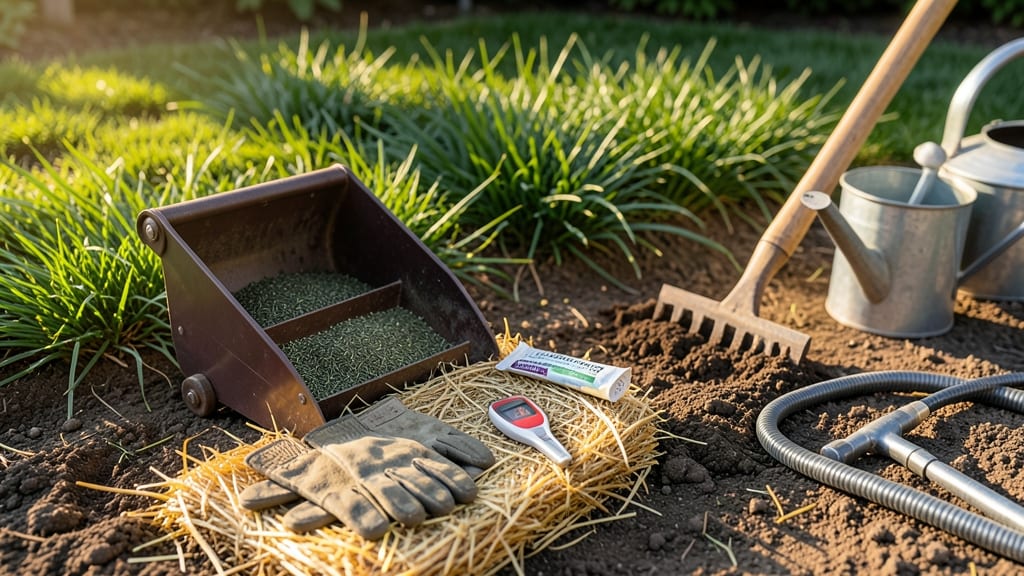
Planting grass seed in Michigan at the right time—late August to early September—sets your lawn up for a strong start before winter, avoiding the common mistakes that leave gaps or weak roots.
Picture this: you’ve spent hours spreading seed, only to wake up to a frost warning the next morning. That’s why timing matters—cool fall soil and shorter days give your grass 4-6 weeks to root deeply before the ground freezes.
Michigan’s USDA Zones 5-6 mean your best window is narrow but critical. Plant too early, and weeds take over; too late, and the seed won’t germinate before winter. Below, I’ll break down the exact dates by region, soil prep secrets, and how to pick the right seed for your yard.
Skip the guesswork: learn how to turn Michigan’s unpredictable fall into your lawn’s strongest season—no more patchy spots or wasted effort.
Best planting windows for Michigan grass seed success
Michigan’s cool-season climate demands precise timing for grass seed success. The optimal window spans from late August to early September, when soil stays warm enough for germination but nights cool down enough to slow weed competition.
This balance gives young grass roots a 4-6 week head start before winter dormancy.
Why this timing? Soil temperatures between 50-65°F trigger germination, while fall rains keep seeds moist. Planting too early (June/July) risks drought stress, while waiting until October leaves seeds vulnerable to early frost damage.
Michigan’s first frost dates typically arrive by mid-October, so late August/early September gives roots time to establish before winter.
🌱 Key Factors for Success:
- Soil temperature: Must stay above 50°F for 2+ weeks
- Day length: Shorter days reduce weed pressure
- Moisture: Consistent rainfall or irrigation required
- Frost risk: Seedlings need 4-6 weeks to harden off before winter
For Northern Michigan (UP), aim for early September planting—cooler soils mean slower germination. In Southern Michigan, late August works best, as warmer soils speed up sprouting. Always check your local frost dates (USDA Zone 4-6) and adjust by 4-6 weeks before the first expected frost.
Pro tip: Use a soil thermometer to confirm temperatures. If soil dips below 50°F for more than 3 days, delay planting. Cool-season grasses like tall fescue and Kentucky bluegrass thrive in these conditions, while warm-season grasses (like Bermuda) should wait for spring.
After sowing, maintain 1 inch of water weekly (including rainfall) for the first 3 weeks. Use a light mulch (straw, not wood chips) to retain moisture without smothering seeds. Avoid walking on new seed until it reaches 3-4 inches tall—this protects delicate roots.
Watch for early frost warnings in October. If frost threatens before roots establish, cover seedlings with lightweight frost cloth at night. Remove it by midday to prevent overheating. Fall fertilization with a low-nitrogen blend (10-0-10) in early September promotes root growth without encouraging late-season top growth that frost can damage.
Spring planting (April) is your second-best option, but weeds compete fiercely. If you must plant in spring, choose fast-germinating varieties like perennial ryegrass and keep soil moist. Never plant in late fall—seeds won’t germinate before frost, and winter kills them.
Remember: Michigan’s clay soils drain poorly in fall. Before planting, aerate compacted areas and mix in 2-3 inches of compost to improve drainage and fertility. This prep work is just as critical as timing for long-term success.
How Michigan’s climate zones affect grass seed timing
Michigan’s three distinct climate zones—Upper Peninsula (Zones 4-5), Northern Lower Peninsula (Zone 5), and Southern Lower Peninsula (Zone 6)—create unique challenges for grass seed timing. Each zone has different frost dates, soil warming patterns, and microclimates that demand tailored approaches.
For example, Marquette (Zone 4) may see frost as early as September 20th, while Detroit (Zone 6) often holds off until October 15th. These differences mean your neighbor’s perfect timing might fail in your yard.
Urban areas like Grand Rapids or Ann Arbor experience heat island effects, where pavement and buildings trap warmth, allowing slightly later planting than rural areas. Meanwhile, wooded or shaded yards in Zone 5 may need 2-3 weeks earlier planting to compensate for cooler microclimates.
Understanding these nuances lets you fine-tune your schedule for maximum success.
In the Upper Peninsula, where winters arrive early, early September planting is critical. Cool soils mean germination slows to 10-14 days—double the time needed in warmer zones. Choose cold-hardy varieties like Fine Fescue or Northern Kentucky Bluegrass, which tolerate 28°F temperatures better than southern types.
For urban UP yards, consider 1-2 weeks earlier planting if your area has concrete or asphalt that radiates heat.
Northern Lower Peninsula gardeners have a slightly longer window (late August through early September), but soil moisture becomes the limiting factor. September often brings drier conditions, so plan to water deeply 2-3 times weekly until roots establish.
If you’re in shaded areas (like under trees), shift your timing 1 week earlier—cooler, damper soil delays germination.
Southern Michigan’s warmer microclimates allow for the earliest planting (late August), but don’t push it past September 1st unless you’re in urban heat zones.
Here, tall fescue mixes thrive due to their drought tolerance, but they need consistent moisture during establishment. Rural areas with well-draining soils can plant up to 10 days later than urban spots, as they retain moisture better.
Pro tip: Use the 50°F soil rule as your guide—wait until the 7-inch depth (where roots grow) hits this mark for 3 consecutive days. In Zone 6, this often happens by mid-August, while Zone 4 may not reach it until early September.
For shaded lawns, add 2-3 weeks to your local average—cool, damp conditions slow everything down.
Remember: Microclimates matter more than zone alone. A south-facing slope in Zone 5 may warm like a Zone 6 yard, while a north-facing basement could behave like Zone 4.
Observe your yard’s sun exposure, wind patterns, and drainage—these factors often override the USDA zone when fine-tuning your planting schedule.