
Plants
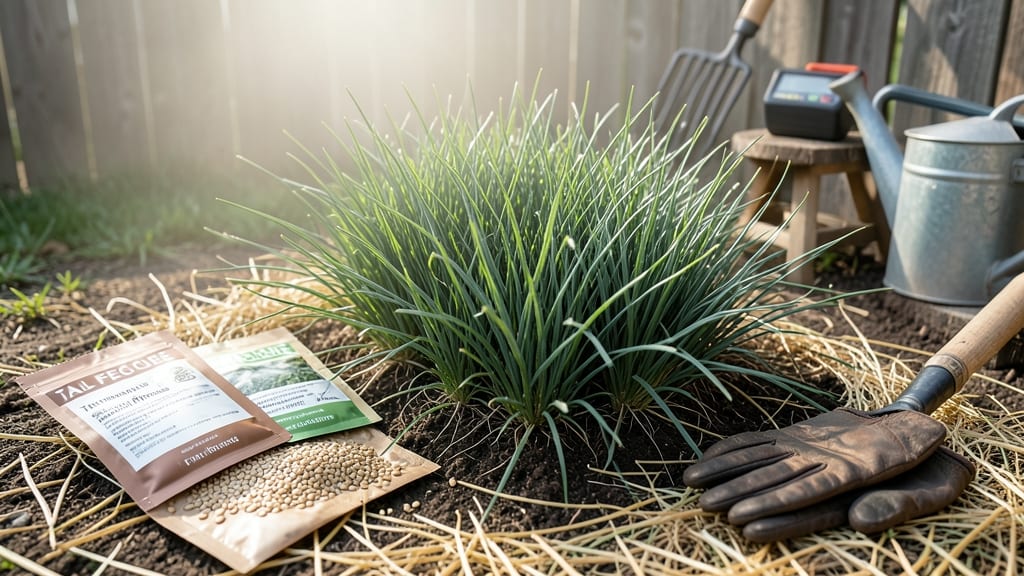
Plant grass seed in San Diego during early fall (September-October) or late winter (March-April) for the fastest, most reliable germination 🌱—timing that avoids the region’s brutal summer heat and unpredictable spring rains.
San Diego’s coastal breezes, inland heat, and unpredictable spring rains make timing your grass seed planting a high-stakes game—get it wrong, and you’ll waste months waiting for germination.
The key? Soil temperatures between 60-75°F, steady moisture, and avoiding peak summer drought or winter cold snaps. Below, I break down the exact months for coastal, inland, and foothill zones, plus how to prep soil for perfect results.
You’ll also discover the best grass varieties for each microclimate, watering tricks to beat drought stress, and a checklist to catch mistakes before they derail your lawn.
San Diego’s 3 best grass seed planting zones (with exact months)
San Diego’s microclimates create a puzzle for grass seed planting—what works in La Jolla may fail in Escondido. The key? Understanding your zone-specific conditions. Coastal areas stay cooler and wetter, inland zones bake in summer, and foothills get their own rhythm.
Let’s break it down by exact planting windows and soil triggers to ensure your grass sprouts strong and stays that way.
Most gardeners in San Diego focus on two prime windows: early fall (Sept-Oct) and late winter (Feb-Mar). But why? Fall offers cooler temps (60-75°F), consistent moisture, and fewer weeds.
Spring planting avoids summer’s drought stress and heat shock. However, your local microclimate dictates the best approach—coastal areas can plant slightly later, while inland zones need to act faster.
Soil temperature is your secret weapon. Grass seeds need soil at 55-65°F for optimal germination. Coastal zones hit this in late September, while inland areas may need to start by mid-August. Use a soil thermometer—don’t guess! And watch for rainfall patterns: coastal areas get 3-5 inches/month in fall, while inland zones might need supplemental watering.
For coastal San Diego, think La Jolla or Del Mar. Here, humidity and mild winters let you plant through October.
But watch for fungal diseases—coastal grass thrives but can rot if overwatered. Ryegrass is a top pick here because it germinates quickly in cool, damp conditions. If you miss fall, February is your next shot, but soil may still be too cold.
Inland areas like Escondido or Ramona demand earlier action. By mid-August, soil temps drop fast, and summer heat can scorch seeds. Bermuda grass loves this zone but needs deep watering to survive.
If you plant in January, aim for cooler mornings—afternoon heat can still stress young sprouts. Drought-tolerant varieties like Buffalo grass are smart choices here.
Foothill regions such as Julian or Pine Valley play by their own rules. Cooler nights and higher elevation mean soil stays 50-60°F longer.
Plant in October-November to catch fall rains, or wait until March-April when spring showers kick in. Fescue grass excels here—it handles temperature swings and dry spells better than most.
Pro tip: Test your soil 2 weeks before planting. Stick a soil thermometer 4 inches deep—if it’s below 55°F, wait. Coastal areas can afford to delay, but inland zones must act fast before September heat sets in.
And always water deeply after planting—1/2 inch per week keeps seeds from drying out.
Timing isn’t just about months—it’s about weather patterns. Check the 7-day forecast for consistent temps and minimal wind. High winds can bury seeds or dry them out.
If spring rains arrive early, you might push planting to late March in foothill zones. But if summer drought starts early, September becomes your only safe bet.
Remember: grass seed won’t wait. If you plant too late in fall, winter rains can wash seeds away. If you plant too early in spring, summer heat will fry new growth.
Use this zone guide as your roadmap, but always adjust for your yard’s microclimate. Shady spots? Plant 1-2 weeks later. South-facing slopes? Start 2 weeks earlier
How to tell when your soil is Really Ready (Beyond Just the Calendar)
San Diego’s microclimates mean your soil might be ready in September while your neighbor’s is still too hot. Don’t rely on dates—test your soil’s temperature and moisture first. A soil thermometer should read 60-75°F at 2-3 inches deep, the ideal range for grass seed germination.
If it’s hotter, wait; if cooler, warm it with black plastic mulch for 3-5 days.
Even if the calendar says spring, post-winter saturation can drown seeds. Press your finger into the soil—if it feels soggy or water pools on top, let it dry slightly.
Aim for moist but crumbly soil that holds shape when squeezed but doesn’t stick to your hand. Coastal areas dry faster, so check daily in summer.
⚠️ callout-warning ⚠️
San Diego’s unpredictable spring rains can turn your soil into mud. Test moisture by digging a 6-inch hole—if water seeps back within 10 minutes, wait 2-3 days before planting. Over-saturated soil = seed rot and wasted seed.
🌱 Pro Tip: Use a moisture meter ($15 at garden centers) for precise readings.
For drought-prone inland areas, adjust by adding compost or peat moss to improve water retention. Mix 1-2 inches into the topsoil to help seeds stay hydrated during San Diego’s dry summers. Avoid fresh manure—it can burn seeds and attract pests.
One final check: pH balance. Grass thrives in 6.0-7.0 pH. Grab a soil test kit ($10) and adjust with lime (to raise pH) or sulfur (to lower it) if needed. Coastal soils often lean alkaline, so a quick test saves time and money.
Now, grab your soil thermometer and moisture meter. The best time to plant isn’t just about the calendar month—it’s about your soil’s real readiness. Skip the guesswork, and your grass will germinate 2-3 weeks faster than if you plant too early or late.
🌱 Remember: Cooler mornings and warmer afternoons in September-October or March-April give seeds the perfect temperature balance. If your soil passes all tests, it’s time to sow—just don’t forget to lightly rake and water gently afterward.