
Planting
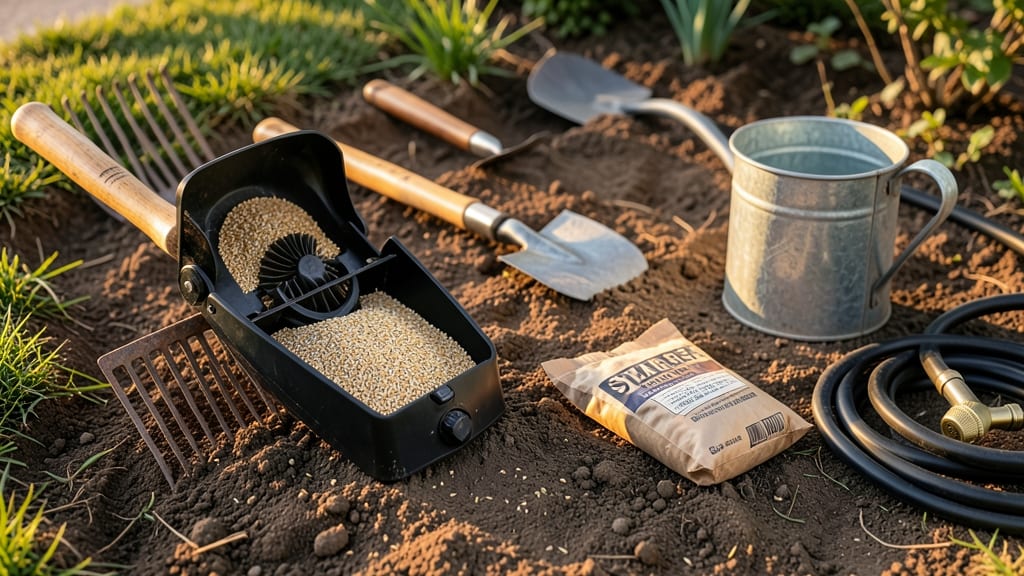
Planting grass seed in Pennsylvania at the right time means the difference between a lush, green lawn and a patchy, frustrating mess.
Pennsylvania’s unpredictable spring and fall weather can make or break your lawn—plant grass seed at the wrong time, and you’ll waste money on seeds that sprout unevenly or fail entirely.
Cool-season grasses like Kentucky bluegrass and tall fescue thrive when soil temperatures hover between 50°F and 55°F, which in PA typically means early spring (March to April) or early fall (September to October).
Below, I’ll walk you through the exact soil temperature deadlines by zone, how to check your soil’s readiness, and why fall planting often gives better results than spring—plus the three biggest mistakes to avoid when you’re ready to sow.
Pennsylvania grass seed planting deadlines by hardiness Zone (soil temp guide)
Timing is everything when planting grass seed in Pennsylvania—get it wrong, and you'll battle uneven germination or wasted seeds. The soil temperature is your best guide, not just the calendar.
For cool-season grasses (like Kentucky bluegrass and fescue), aim for 50°F to 55°F soil temps, while warm-season grasses (like Bermuda) need 65°F+. Pennsylvania's USDA zones 5-7 create regional variations, so let's break it down by zone to avoid frost damage or seed dormancy.
Most Pennsylvania lawns use cool-season grasses, which thrive in our climate. The ideal planting window spans from early spring (after last frost) to early fall (before first frost).
But here's the catch: planting too early risks frost damage, while planting too late means seeds won't establish strong roots before winter. Let's look at the soil temperature deadlines that separate success from failure.
🌱 Key Rule: Never plant when nighttime temps drop below 40°F—seeds won't germinate. Use a soil thermometer (not air temp!) to confirm readiness. Most garden centers sell them for under $10, and they're worth every penny for Pennsylvania's unpredictable weather.
| Zone | Soil Temp Threshold | Spring Planting Window | Fall Planting Window | Critical Deadline |
|---|---|---|---|---|
| 5a (Northeast PA) | 50°F+ | Mid-April to May 15 | Late August to Sept 15 | Sept 20 (first frost risk) |
| 6a (Central PA) | 50°F+ | Early April to May 10 | Late August to Sept 20 | Sept 25 (first frost risk) |
| 6b (Southwest PA) | 52°F+ | Late March to April 30 | Late August to Oct 5 | Oct 10 (first frost risk) |
| 7a (Southeast PA) | 55°F+ | Early April to May 10 | Late August to Oct 10 | Oct 15 (first frost risk) |
| All Zones | Avoid below 40°F | 4-6 weeks before last frost | 6-8 weeks before first frost | Soil stays above 50°F |
For Zone 5a (northeast PA), your spring window runs from mid-April to May 15—plant after the last frost (usually mid-April) but before soil hits 65°F, which can cause seed dormancy.
The fall window is tighter: late August to September 15. After September 20, frost risk rises sharply, and seeds won't establish before winter.
In Zone 6a (central PA), you get a slightly longer window: early April to May 10 in spring and late August to September 20 in fall.
The key difference? Central PA's warmer microclimates (like Harrisburg) allow a 5-day later deadline than Zone 5a. Always check your local last frost date—Penn State Extension has free frost maps for precise timing.
🌡️ Pro Tip: If you're in Zone 6b or 7a, you can push fall planting later due to milder winters. Southeast PA (Zone 7a)
Best fall vs spring planting for Pennsylvania lawns: pros, cons, and local tips
Choosing between fall vs spring planting for your Pennsylvania lawn depends on your grass type, local climate, and how much time you want to spend on maintenance. Cool-season grasses like Kentucky bluegrass and tall fescue dominate PA lawns, and both seasons offer unique advantages.
Fall planting—typically September to early October—lets seeds establish roots before winter, giving you a head start in spring. Spring planting, however, means you’ll see immediate results, but you’ll face weed competition and unpredictable PA weather patterns.
Here’s a quick breakdown of the pros and cons for each season, tailored to Pennsylvania’s humid continental climate and regional microclimates like Pittsburgh’s cooler temps vs. Philadelphia’s higher humidity.
- Cooler temps reduce stress on seeds
- Less weed competition in early fall
- Roots establish before winter dormancy
- Spring growth is faster and denser
- Limited window before first frost
- Moisture challenges in late fall
- Fungal risks if planting too late
- Visible results by summer
- Longer growing season for establishment
- Easier to monitor for pests/diseases
- Weed competition peaks in spring
- Unpredictable PA rains can wash out seeds
- Higher water needs during dry spells
For Pittsburgh and western PA, fall planting is ideal because cooler nights and lower humidity create perfect conditions for seed germination.
In Philadelphia and eastern PA, however, the higher humidity in fall can increase fungal diseases like dollar spot, so spring planting might be safer if you’re dealing with shady or damp areas.
If you choose spring planting, aim for late March to early April when soil temps consistently stay above 55°F. This timing helps avoid the spring flush of weeds that can choke out young grass.
For fall planting, target September to mid-October—early enough to allow root growth but late enough to avoid summer heat stress.
Pro tip: In southern PA (zones 6b-7a), where summers are hotter, fall planting gives your lawn a 30-50% faster establishment compared to spring. In northern PA (zones 5a-6a), spring planting can work well if you’re patient with watering and weed control.
Regardless of season, always test your soil pH (aim for 6.0-7.0) and apply a starter fertilizer with phosphorus to encourage root development. And remember: consistent moisture is key—water deeply twice daily for the first week after planting, then taper to once daily until germination.