
Plants
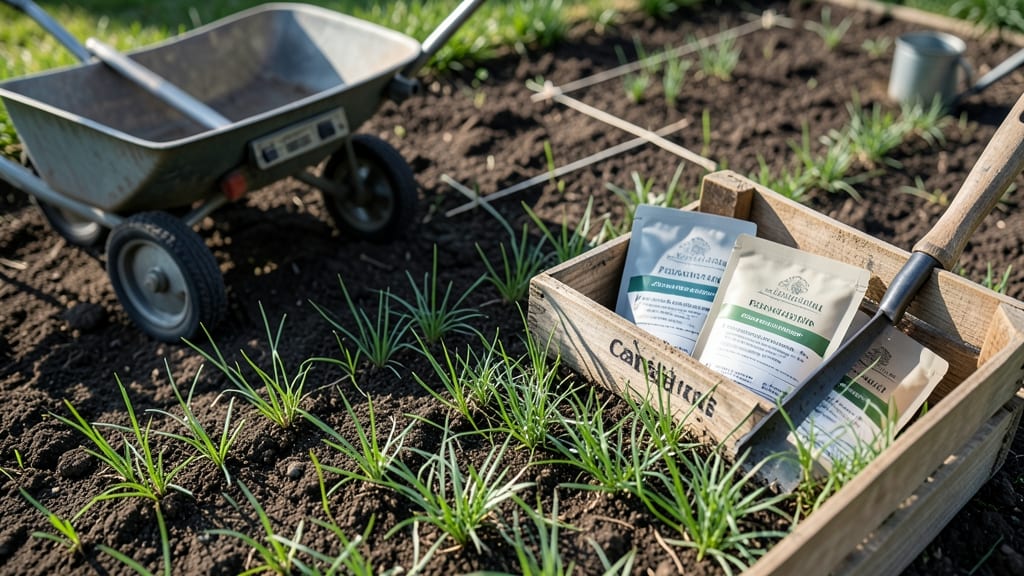
The best time to plant grass seed in Pennsylvania is during early spring or fall, when soil temperatures hit 50–65°F and frost risks fade.
Planting grass seed at the wrong time in Pennsylvania can mean wasted money and patchy lawns—so knowing the perfect window for soil temperatures, frost risks, and regional microclimates is critical.
In Pennsylvania’s USDA Zones 5b–7a, the ideal planting window stretches from mid-April to early May or from September to early October, aligning with the last frost date and avoiding summer heat stress.
Below, I’ll break down the exact soil temperature thresholds, regional adjustments (like the cooler Poconos vs. warmer Pittsburgh), and how to extend your window with mulch or frost cloth for a lush, thicker lawn.
Pennsylvania’s ideal grass planting window by month (soil temp & frost data)
Pennsylvania’s USDA Zones 5b–7a create unique challenges for grass seed germination, where soil temperature and frost risk dictate success. The ideal planting window spans just 4–6 weeks twice a year—spring and fall—when conditions align perfectly for strong root establishment.
In spring, aim for mid-April to early May after the last frost (typically April 15), when soil warms to 50–65°F. Fall planting works best from September to early October, giving grass time to root before winter dormancy.
Missing these windows risks frost damage or heat stress, both of which stunt growth.
Regional differences in Pennsylvania mean your last frost date can vary by 2–3 weeks. The Poconos (Zone 5b) often sees frost until May 10, while Pittsburgh and Erie (Zone 6–7a) typically warm up by April 20.
Use a soil thermometer to confirm temps—grass seed needs consistent warmth to germinate.
Fall planting in September offers cooler air and moisture retention, reducing weed competition. However, avoid planting after mid-October in northern PA, as grass won’t establish roots before winter.
In southern PA (Zone 7a), you can push it to early November, but only if soil stays above 50°F.
For warm-season grasses like Bermuda or Zoysia, plant in late spring (May–June) when soil exceeds 65°F. These varieties thrive in heat but struggle with spring frosts, making early planting risky. Always check the seed packet for regional suitability.
Extending your planting window? Use frost cloth in early spring or mulch in fall to moderate soil temps. In urban areas like Philadelphia, heat islands can push soil temps 5–10°F higher than rural zones—adjust accordingly. Always prioritize moisture consistency over pushing seasonal limits.
Pro tip: Test your soil’s pH (6.0–7.0 ideal) and nitrogen levels before planting. PA’s clay-heavy soils often need compost or lime to improve drainage and fertility. A quick soil test kit ($20) saves time and money.
Remember: Cool-season grasses (like Kentucky Bluegrass) dominate PA lawns, but tall fescue and perennial ryegrass handle heat better. Match your seed to your sun exposure—shady areas need
How to adjust your planting timeline for Pennsylvania’s microclimates
Pennsylvania’s diverse geography means your planting timeline should vary by region. The Poconos Mountains stay colder longer, while Philadelphia’s urban heat islands warm up faster. Even Erie’s lake-effect cooling can delay spring by weeks. These microclimates shift ideal planting windows by 2–4 weeks—so knowing your zone is key.
For high-altitude areas like the Poconos (USDA Zone 5b), wait until mid-May for spring planting, as frost lingers until May 15. In Philadelphia (Zone 7a), you can start as early as late March thanks to urban warmth.
Meanwhile, Erie’s lake breezes keep soil cool, pushing ideal planting to late April.
Here’s how to adjust your timeline based on Pennsylvania’s key microclimates:
To extend your planting window, use mulch or frost cloth in cooler regions. A 3-inch mulch layer keeps soil 5–10°F warmer in spring, while frost cloth can push fall planting into mid-October without risk.
For warm-season grasses like Bermuda, wait until soil hits 65°F—often late May in the Poconos but April in Philly.
Choose cool-season grasses (Kentucky Bluegrass, Fescue) for early spring/fall planting, as they thrive in 50–65°F soil. Warm-season types (Zoysia, Buffalo Grass) need 70°F+ soil and should wait until late spring. Always test soil moisture—1 inch of water per week is critical for germination.
Pro tip: Use a soil thermometer to confirm temps before planting. If your region’s timeline feels off, check local Almanac frost data or ask your county extension office for microclimate-specific advice. A well-timed planting means a thicker lawn with fewer weeds.