
Companion Plants
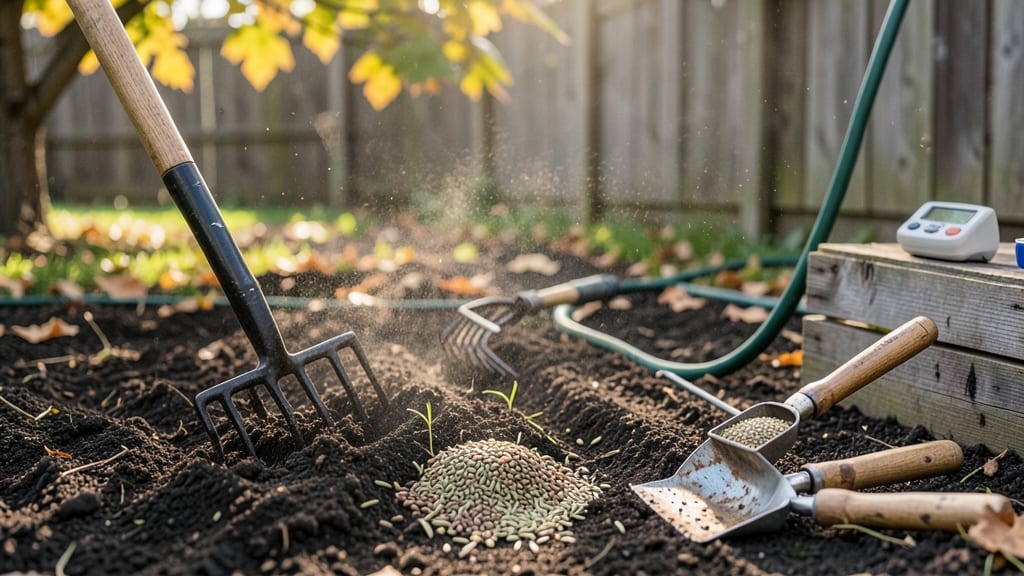
Planting grass seed in Pennsylvania spring 4-6 weeks before the last frost is the key to a lush lawn by summer—if you time it right.
Picture this: you’ve prepped your soil, spread the seed, and watered it in—only to watch frost nip the tender sprouts overnight. That’s why knowing exactly when to plant matters more than the seed brand or fertilizer you choose.
Pennsylvania’s USDA Zones 5b-7a mean your neighbors in Pittsburgh might be seeding weeks earlier than those in Philadelphia. Soil temperature, not just the calendar, dictates success—cool-season grasses like fescue and bluegrass need 50-65°F soil to germinate fast.
Below, I’ll break down the exact week-by-week window for your region, soil prep tips to avoid common mistakes, and how to keep moisture consistent for fast germination—no guesswork included.
Ideal Pennsylvania soil temperatures for planting grass seed in spring
Pennsylvania’s spring weather can be as unpredictable as a whirlwind, but one factor you can control is soil temperature. For cool-season grasses like Kentucky bluegrass and tall fescue, the sweet spot is between 50°F and 65°F.
Planting too early when soil is still cold can delay germination, while waiting too long risks summer heat stress. Understanding these thresholds helps you time your planting for optimal growth.
Most cool-season grasses germinate best when soil temperatures consistently stay above 50°F. However, if temperatures climb above 65°F, germination slows, and seedlings may struggle. Pennsylvania’s microclimates—like Pittsburgh’s cooler valleys or Philadelphia’s urban heat islands—can shift these thresholds by 5°F or more.
That’s why testing your soil is non-negotiable for success.
How to test soil temperature: Use a soil thermometer (available for under $10) to check temperatures at a 4-inch depth, where grass roots establish. Early mornings are best—soil cools overnight, giving you a more accurate baseline. Aim for 50°F+ for 5+ consecutive days before planting. If your soil runs cooler, wait a week or two; if it’s already heating up, act fast.
Here’s how Pennsylvania’s three key regions differ in spring soil warming:
| Region | Avg. Last Frost | Ideal Planting Window | Soil Temp Threshold | Key Adjustment |
|---|---|---|---|---|
| Southeast (Philadelphia) | April 10–15 | Late March–early April | 55°F–65°F | Urban heat delays frost; test soil weekly. |
| Central (Harrisburg) | April 5–10 | Mid-March–late March | 50°F–60°F | Cooler nights; plant after 3 consecutive 50°F+ days. |
| Northwest (Pittsburgh) | April 20–May 1 | Late April–early May | 50°F–62°F | Mountain valleys stay cold; wait for 50°F+ consistency. |
If your soil is too cold, speed up warming with a black plastic mulch or straw cover (1–2 weeks can make a difference).
For too-warm soil, shade cloth or early morning planting helps prevent stress. Kentucky bluegrass, for example, germinates fastest at 60°F–65°F, while fine fescue tolerates cooler 50°F–55°F soils. Match your grass type to your local conditions for best results.
Pro tip: Pre-warm your soil by tilling in compost or well-rotted manure 2–3 weeks before planting. Organic matter raises soil temperature by 2–5°F and improves moisture retention—critical for seedling survival. Just avoid fresh manure, which can burn seeds and raise soil too quickly.
Don’t let false springs fool you. Even if daytime temps hit 70°F, nighttime frosts can still occur until mid-April in most of PA. Use row covers or lightweight frost cloth for the first 2–3 weeks post-planting to protect tender seedlings.
This extra layer of defense ensures your grass seed doesn’t get frostbitten before it establishes.
For rural areas with thin topsoil, consider a topdressing of compost (¼–½ inch) after planting.
This adds organic matter to insulate roots and retain moisture, which is especially helpful if your soil drains too quickly. Slow-release fertilizer mixed into the top layer also gives seedlings a nutrient boost without overloading them.
Remember: Consistency is key. Check soil temps daily for a week before planting to confirm stability. If temps fluctuate wildly (e.g., 45°F one day, 68°F the next), wait until conditions settle. Patience now means a thicker, greener lawn by summer—no patchy regrowth in sight!
Best spring planting window in Pennsylvania: week-by-week guide by region
Pennsylvania’s three distinct regions—Southeast, Central, and Northwest—experience different frost patterns and soil warming speeds, making a one-size-fits-all planting date impossible.
For example, Philadelphia’s USDA Zone 7a warms faster than Erie’s Zone 5b, so timing your cool-season grass seed (like Kentucky bluegrass or tall fescue) to your microclimate is critical.
I’ve broken down the optimal 4-6 week window for each region, including when to prep soil, seed, and water for maximum germination success. Pro tip: Use a soil thermometer—seed won’t sprout until soil hits 50°F consistently.
- 📅 Southeast PA (Philadelphia, Reading): March 15–April 15 (soil warms fastest; aim for March 20–April 5 for ideal germination).
- 📅 Central PA (Harrisburg, State College): March 20–April 10 (wait for 50°F soil; frost risk lingers until April 10).
- 📅 Northwest PA (Erie, Pittsburgh): April 1–April 20 (soil stays cold longer; delay until after April 10 to avoid frost).
- 💧 All Regions: Watering Schedule: Daily for 14 days (deep soak ½ inch), then 2–3x/week until established.
- 🌡️ Soil Prep Check: Test soil pH (6.0–7.0) and amend with compost 2 weeks before seeding.
In Southeast PA, where last frosts average April 5, you can start as early as March 15—but only if soil temps are stable above 50°F.
I recommend prepping soil in late February by aerating and adding compost, then seeding March 20–April 5 for the fastest results. Philadelphia gardeners often see 70% germination in this window if they keep soil moist.
Central Pennsylvania’s mixed climate demands patience. Harrisburg’s USDA Zone 6b typically waits until March 20 to prep soil, with seeding April 1–10 for safety. Use a frost cloth if nighttime temps dip below 40°F after planting. I’ve seen slow germination here if seeded too early—wait for consistent 55°F soil.
Northwest PA’s cooler, wetter springs mean April 1–20 is the sweet spot.
Erie’s Zone 5b often faces late frosts until April 15, so delay seeding until after April 10 unless you’re planting hardy ryegrass as a cover crop. Watering is critical here—use a sprinkler with a rain gauge to avoid over- or under-watering.
Regardless of region, overseeding in early fall (September) is my top recommendation for Pennsylvania lawns. Cool-season grasses thrive with 60 days of warm soil before winter dormancy, giving roots time to establish.
For spring, stick to the regional timelines and monitor soil temps daily—your lawn’s success depends on it. 🌱