
Plants
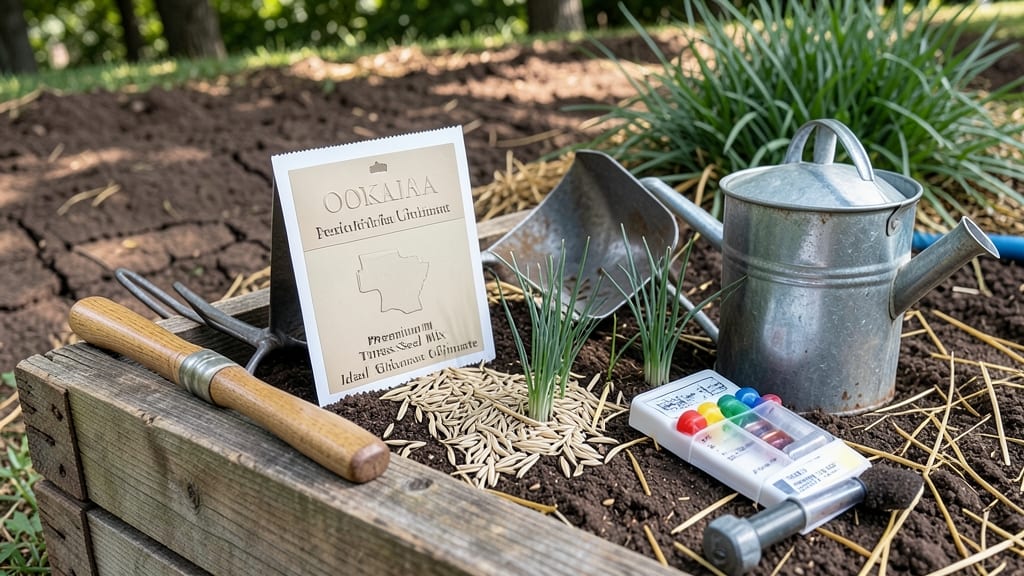
Planting grass seed in Oklahoma at the right time is the difference between a thick, green lawn and a patchy, struggling mess—especially when you’re dealing with 6a-8a winters and scorching summers.
Oklahoma’s unpredictable weather can turn a lush lawn into a battleground—unless you plant grass seed at the perfect time. Late summer isn’t just the best window; it’s the secret weapon for deep roots that survive winter’s harshest freezes.
If you’ve ever stared at a bare patch in March and wondered why your grass refused to take, you’re not alone. The key lies in timing: August through October gives seeds 6-8 weeks of warm soil to germinate before the first frost, while spring planting risks drought stress.
Below, I’ll break down the exact planting windows for your region, soil prep tricks to beat Oklahoma’s clay, and the top grass varieties that thrive when planted at the right moment—so you can finally stop guessing and start growing.
Oklahoma’s ideal grass seed planting timeline: late summer vs. fall vs. spring
Timing is everything when planting grass seed in Oklahoma, where 100°F summers and -10°F winters can make or break your lawn. The perfect window isn’t just one month—it’s a strategic 3-month span that aligns with soil warmth, rainfall, and frost risks.
Late summer’s deep-rooting advantage beats spring’s unpredictable storms, while fall’s cool soils prevent seed burnout.
Northern Oklahoma’s USDA Zone 6b (e.g., Tulsa) has a shorter growing season than southern Zone 8a (e.g., Lawton), meaning your planting deadline shifts by 2-3 weeks.
Miss the window, and you’ll face dormant grass or fungal diseases from overwatering. Let’s break down the three best times—and why late summer often wins.
🌱 Comparison Table: Oklahoma Grass Seed Planting Windows
Late summer’s August–September window is my top recommendation for Oklahoma because it lets grass establish deep roots before winter. The soil stays warm (70–85°F), while monsoon rains taper off, reducing runoff.
In northern OK, aim for mid-August—by late September, frost risk rises sharply. Southern OK can push to early October safely.
Fall planting in October works but requires soil prep by late September. The trade-off? Grass grows slower in 55–65°F soils, so you’ll need 6–8 weeks of consistent moisture.
Skip this window if your area gets early frosts—like Zone 6b’s Tulsa, where October 15th can bring 20°F nights. Use a light mulch to protect seedlings.
Spring planting (March–April) is riskier due to unpredictable Oklahoma storms.
Wait until after the last frost (usually March 15 in northern OK, March 1 in southern OK), but don’t delay past April 15—summer’s 100°F heat will stress young grass. Bermudagrass lovers often choose spring, but Tall Fescue thrives better in fall.
Rainfall is your secret weapon in Oklahoma. Late summer’s tapering monsoons (August) give steady moisture without drowning seeds. Fall’s light rains (October) are ideal, but spring’s thunderstorms can wash seeds away. Use a rain gauge—aim for 1 inch of water per week, either from rain or irrigation.
Pro tip: Northern OK gardeners should plant 2 weeks earlier than southern OK. For example, if southern OK’s Lawton can seed until October 10, Tulsa’s deadline is September 25. Check the NOAA frost map for your exact location—it’s your planting deadline calendar.
After planting, mulch lightly (straw, not hay) to retain moisture and avoid foot traffic for 3–4 weeks. In late summer, water deeply 2x/week—shallow watering encourages weak roots. Fall-planted grass needs daily watering until roots reach 2 inches deep.
Remember: No single window is perfect—adjust for your microclimate. A shady yard in Oklahoma City? Plant 1 week later than full-sun areas. And if you miss the boat? Overseed in spring, but expect thinner coverage until fall.
Your lawn’s survival depends on these timing tweaks—don’t skip them! 🌱
How to prepare Oklahoma soil for grass seed: pre-planting checklist
Oklahoma’s soil can be a double-edged sword—clay-heavy in the east and sandy in the west—both of which need special prep before seeding. The secret to a thick lawn lies in amending compacted clay and improving water retention in sandy patches.
Without proper prep, even the best grass seed will struggle to establish roots.
Start by testing your soil pH—Oklahoma’s grass thrives in a 6.0-7.0 range. If your soil tests too acidic or alkaline, add lime or sulfur 4-6 weeks before planting.
In Tulsa and Oklahoma City, where clay dominates, you’ll also need to break up hardpan layers with a garden fork or rototiller.
🌱 Pre-Planting Soil Prep Checklist for Oklahoma
- Test soil pH (aim for 6.0-7.0) using a home test kit or lab analysis
- Add compost (2-3 inches) to improve clay drainage or sandy moisture
- Loosen top 4 inches of soil with a garden fork or rototiller to break compaction
- Rake smooth to create a fine seedbed (avoid clumps that block light)
- Water deeply 24 hours before seeding to settle soil and prevent runoff
For sandy soils common in western Oklahoma, mix in peat moss or coconut coir to boost water retention. In clay-heavy areas like rural Oklahoma, work in gypsum (10 lbs per 100 sq ft) to loosen the soil structure. Always water after amending—this helps nutrients integrate without washing away.
Timing irrigation is critical in Oklahoma’s heat. Water early morning (before 8 AM) to avoid evaporation, and aim for 1 inch per week once seeds sprout. In Tulsa’s humid climate, this prevents fungal diseases, while Oklahoma City’s drier air demands light daily watering until germination (7-14 days).
Finally, mulch with straw or peat moss (not wood chips) to retain moisture and protect seeds from bird scatter or wind erosion. In rural areas, use a lightweight fabric row cover if winds exceed 10 mph during planting.
These steps ensure your grass seed gets the perfect start before Oklahoma’s first frost.