
Plants
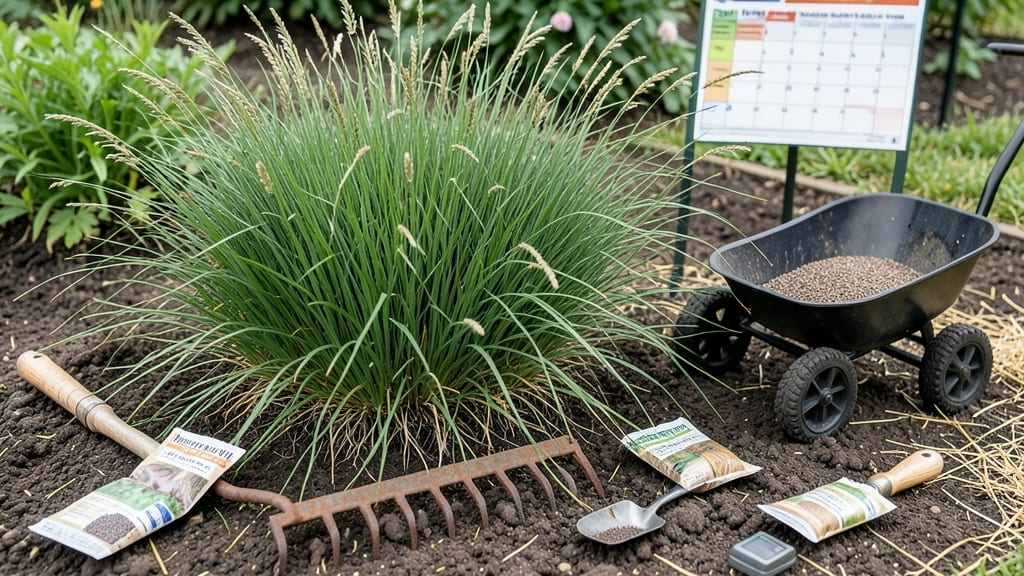
Planting grass seed in Northern Virginia at the right time means the difference between a lush, green lawn and weeks of frustration watching seeds sprout unevenly or fail entirely.
Here’s the hard truth: Timing isn’t just about the calendar—it’s about soil temperature, weather patterns, and even the type of turfgrass 🌱 you’re growing. Skip these deadlines, and you’ll end up with patchy coverage, weed competition, or seed that simply won’t germinate.
In USDA zones 7a-7b, the ideal windows are early spring (March–April) and early fall (September–October), when soil stays consistently warm enough for roots to establish without the stress of summer heat or winter dormancy.
Below, I break down the exact soil temperature thresholds, the best grass types for your climate, and a step-by-step checklist to ensure your seed takes hold fast—no wasted effort included.
Northern VA soil temperature deadlines for planting grass seed
Getting your grass seed timing right in Northern Virginia means the difference between a lush lawn and wasted seed. The key factor? soil temperature.
Cool-season grasses like tall fescue and Kentucky bluegrass thrive when soils are between 50°F and 65°F, while warm-season types like Bermuda and zoysia need 65°F to 75°F to germinate properly. Missing these windows leads to slow growth or seedling failure.
In USDA Zones 7a-7b, our last frost date typically falls around March 15, and our first frost arrives by November 15. These dates create two ideal planting windows: early spring (March-April) and early fall (September-October).
Planting outside these windows risks stressing young grass or competing with weeds. Let’s break down the exact temperature thresholds you need to watch.
For cool-season grasses, the soil temperature must stay above 50°F for consistent germination. If you plant too early (February), cold soils slow growth, making seedlings vulnerable to fungal diseases or frost damage.
Conversely, waiting until May means competing with weeds that germinate faster in warm soil. Aim for March 15 to April 15 when daytime highs reach 60°F+.
Warm-season grasses like Bermuda and zoysia have a narrower window. They need soils above 65°F to germinate, which typically aligns with late May to mid-June in Northern VA. Planting earlier risks seed rotting in cooler soils, while delaying past June 15 may stress seedlings during summer heat.
These grasses also go dormant in winter, so fall planting isn’t effective.
One common mistake is relying on air temperature instead of soil temperature. A sunny 70°F day in March might fool you, but the soil could still be 45°F—too cold for seed to sprout.
Always check soil temps at 4-inch depth, especially after rain or cloudy days when soils cool faster. Morning is the best time to measure, as temps are most stable.
If you miss the ideal windows, don’t panic. Early fall (September-October) is your backup for cool-season grasses, as soils stay warm enough for germination but weeds are less aggressive. For warm-season types, late summer (August) can work in a pinch, but growth will slow as temps drop.
Just be prepared for slower establishment and more weed competition during these off-times.
To extend your planting window, consider using a seed starter fertilizer with starter N-P-K (e.g., 24-10-6). This gives seedlings a growth boost in marginal conditions. Also, mulch lightly with straw to retain soil moisture and warmth.
Just avoid burying seed too deeply—cool-season grasses should be ¼-inch deep, while warm-season types need only ⅛-inch coverage.
Remember: soil preparation matters just as much as timing. Before planting, till or aerate to 6-inch depth to improve drainage, then amend with compost to raise organic matter.
Test your soil’s pH—cool-season grasses prefer 6.0-7.0, while warm-season types thrive at 6.0-6.5. Adjust with lime or sulfur as needed 4-6 weeks before planting.
Finally, keep newly planted seed moist but not soggy. Use a light misting (not a heavy stream) to avoid washing away seed. Aim for 1 inch of water per week, delivered in the morning to reduce evaporation and fungal risk.
Once seedlings reach 3 inches tall, you can reduce watering slightly to encourage deeper root growth.
By following these soil temperature deadlines, you’ll give your grass the best start possible in Northern Virginia’s climate. The effort pays off with a thicker, greener lawn that outcompetes weeds naturally. Happy planting! 🌱
Best months to plant grass seed in Northern Virginia by grass type
Northern Virginia’s climate—with its USDA zones 7a-7b and hot summers—means not all grass types thrive year-round. Cool-season grasses like tall fescue and Kentucky bluegrass dominate local lawns, but warm-season grasses like Bermuda and zoysia also have their place.
The key? Planting at the right time to outpace weeds and ensure strong root growth before extreme heat or cold sets in.
For most homeowners, early fall (September–October) and late spring (March–April) are the gold-standard windows. These periods offer ideal soil temps (50–75°F), reduced weed competition, and consistent moisture—perfect for seedling establishment. But timing isn’t one-size-fits-all: cool-season grasses need cooler soil, while warm-season varieties demand heat to germinate.
Why does timing matter so much? Planting in summer stresses seedlings with heat and drought, while winter planting risks frost damage. The 6-week window before first frost (early fall) or after last frost (late spring) gives grass enough time to establish before dormancy kicks in.
Here’s the breakdown of the best months for each grass type in Northern Virginia, including soil temperature thresholds and weed-suppression tips:
Notice how cool-season grasses like tall fescue and Kentucky bluegrass have earlier fall planting windows? That’s because they need 6–8 weeks of growth before frost to develop deep roots.
Warm-season grasses, on the other hand, require heat to germinate, so planting in late spring ensures they’re established before summer’s peak.
Pro tip: Test your soil temperature with a soil thermometer before planting—aim for 50°F for cool-season grasses and 70°F+ for warm-season types. If temps are off, wait 1–2 weeks. Patience here prevents patchy germination and weed takeover.
For Northern Virginia homeowners, September is the sweet spot—cooler air, fewer weeds, and soil that’s still warm enough for roots to establish. But if you’re planting Bermuda or zoysia, don’t wait past June, or you’ll risk slow germination and fungal issues from summer humidity.
Ready to plant? Grab your soil thermometer, schedule for early morning watering, and mark your calendar for September 15—the ideal launch date for a lush, weed-free lawn. Your future self (and your lawn) will thank you. 🌱