
Planting
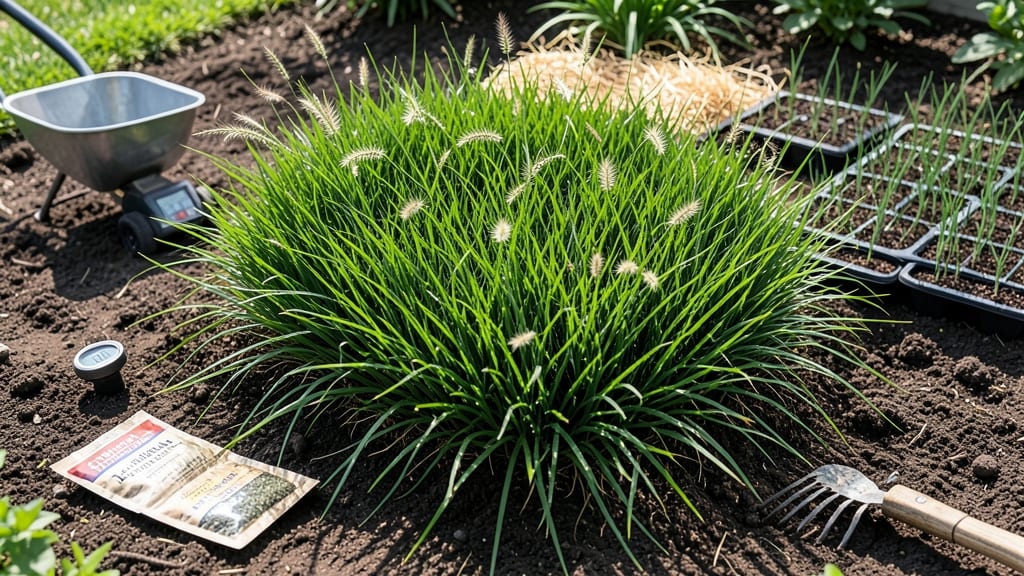
Planting grass seed in Missouri at the right time means the difference between a thick, green lawn and a patchy, weedy mess—especially in zones 5b-6b where frost can strike early or late.
Missouri’s unpredictable frost dates can turn a perfect lawn into a patchy disaster if you plant grass seed at the wrong time—but timing it right guarantees a thick, lush carpet of green before winter sets in.
Cool-season grasses like Kentucky Bluegrass and Fescue thrive when planted 4-6 weeks before the first frost, which in Missouri typically lands in early September for most regions. Spring planting works too, but you’ve got a tighter window after the last frost—usually by mid-April.
Below, I break down the exact planting windows by region, soil prep secrets, and the 3 biggest mistakes Missouri gardeners make that waste money and time. Let’s get that lawn growing strong.
Missouri’s best grass seed planting windows by region (cool season guide)
Missouri’s climate varies dramatically from north to south, making regional timing the key to successful grass seed germination. Cool-season grasses like Kentucky Bluegrass and Tall Fescue need specific soil temperatures and frost-free windows to establish strong roots before winter dormancy.
In Northern Missouri (USDA Zone 5b), where frost can arrive as early as October 1st, you’ll want to plant 4-6 weeks before—typically between mid-August and early September. Meanwhile, Southern Missouri (Zone 6b) can extend planting until mid-October due to later frost dates.
Spring planting is trickier—wait until after the last frost (usually mid-April in the north, late March in the south) and ensure soil temperatures stay above 50°F for at least 7 days. Miss this window, and your seed may rot or wash away.
Here’s your region-specific planting schedule with frost dates, soil temp thresholds, and ideal seed varieties for each zone:
| Region | Frost Dates | Optimal Planting Window | Soil Temp Threshold | Best Grass Seed Varieties |
|---|---|---|---|---|
| Northern MO (Zone 5b) | First Frost: Oct 1 – Oct 15 Last Frost: Apr 1 – Apr 15 |
Fall: Aug 15 – Sep 15 Spring: Apr 15 – May 15 |
50°F – 65°F | Kentucky Bluegrass, Fine Fescue, Turf-Type Tall Fescue |
| Central MO (Zone 6a) | First Frost: Oct 10 – Oct 25 Last Frost: Mar 25 – Apr 10 |
Fall: Aug 30 – Oct 1 Spring: Apr 1 – May 10 |
50°F – 68°F | Tall Fescue, Perennial Ryegrass, Buffalo Grass |
| Southern MO (Zone 6b) | First Frost: Oct 20 – Nov 5 Last Frost: Mar 15 – Mar 30 |
Fall: Sep 15 – Oct 15 Spring: Mar 20 – Apr 30 |
55°F – 70°F | Bermuda Grass, Zoysia, Centipedegrass |
For Northern Missouri, Kentucky Bluegrass is your best bet—it handles cold snaps better than Fescue. In Central Missouri, mix Tall Fescue with Perennial Ryegrass for faster germination and drought resistance. Southern regions can experiment with warm-season grasses like Bermuda, but they’re riskier in cooler zones.
Pro tip: Use a soil thermometer to confirm temps before planting. If your soil is below 50°F, wait—cool-season grasses won’t germinate properly. Overheating soil (above 75°F) can also stunt growth, so avoid planting during heatwaves in late spring.
Missouri’s microclimates mean your neighbor’s perfect lawn timing might not work for you. Check your local USDA zone and monitor weekly frost forecasts from the National Weather Service. Adjust your planting date by 1-2 weeks if frost arrives early or delays hit spring.
Once you’ve nailed the timing, prep your soil with compost and a light aeration—this ensures seeds make contact with moisture and nutrients. Skip this step, and you’ll end up with bare spots despite perfect timing.
Fall planting is ideal because cooler temps reduce weed competition and disease pressure while giving grass time to establish roots before winter. Spring planting, however, requires consistent moisture to prevent seed from drying out in Missouri’s unpredictable spring showers.
Remember: The 30-day rule applies—if frost hits within 30 days of planting, your grass won
How to prepare your Missouri lawn for fall grass seed planting (step-by-step)
Fall is the best time to plant grass seed in Missouri, but proper prep ensures your new lawn thrives. Cool-season grasses like Kentucky Bluegrass and Tall Fescue need ideal conditions to germinate—starting with a clean, aerated soil free of weeds and compaction.
Skipping these steps often leads to poor germination or patchy growth, wasting both time and money.
Missouri’s 5b-6b climate zones demand special attention—soil temperatures must stay above 50°F for at least 6 weeks after planting. Early fall (late August to mid-September) gives seeds time to establish roots before winter dormancy. Let’s walk through the essential prep steps to set your lawn up for success.
Step-by-Step Fall Lawn Prep for Missouri
-
Step 1: Test Your Soil
Use a soil test kit (pH 6.0-7.0 ideal). Missouri’s clay-heavy soils often need compost or lime to adjust pH and improve drainage.
-
Step 2: Mow Low & Control Weeds
Cut grass to 1.5–2 inches to expose bare soil. Apply a pre-emergent herbicide (like corn gluten) to block weeds before seeding.
-
Step 3: Aerate Compacted Soil
Rent a core aerator to pull 3–4 inch plugs. Focus on high-traffic areas where soil is hard or spongy. Do this 1–2 weeks before seeding.
-
Step 4: Spread Compost or Starter Fertilizer
Work in ½ inch of compost or a low-nitrogen starter fertilizer (10-10-10) to feed new roots. Avoid high-nitrogen blends—they burn tender seedlings.
-
Step 5: Choose the Right Seed Mix
Pick a cool-season blend with Kentucky Bluegrass (40%) for durability and Tall Fescue (30%) for drought resistance. Southern Missouri? Add Bermuda grass for heat tolerance.
-
Step 6: Seed at the Right Rate
Use 5–8 lbs per 1,000 sq ft for new lawns. Spread half in one direction, half perpendicular. Lightly rake seeds into soil to ensure seed-to-soil contact.
-
Step 7: Water Gently but Frequently
Keep soil moist (not soggy) with ¼ inch of water daily for 2 weeks. Use a sprinkler with fine mist to avoid washing seeds away.
Missouri’s fall weather can be unpredictable—so monitor soil moisture closely. If rain skips a week, hand-water in the early morning to prevent fungal diseases like dollar spot. Once seedlings hit 3 inches tall, gradually reduce watering to 1 inch per week to strengthen roots.
Pro tip: Mark your calendar for 4–6 weeks post-planting to apply a low-nitrogen fertilizer (like 16-4-8) to boost fall growth. This timing helps grass store carbohydrates for winter while avoiding late-season heat stress. With these steps, your Missouri lawn will be thick, green, and resilient by next spring. 🌱