
Plants
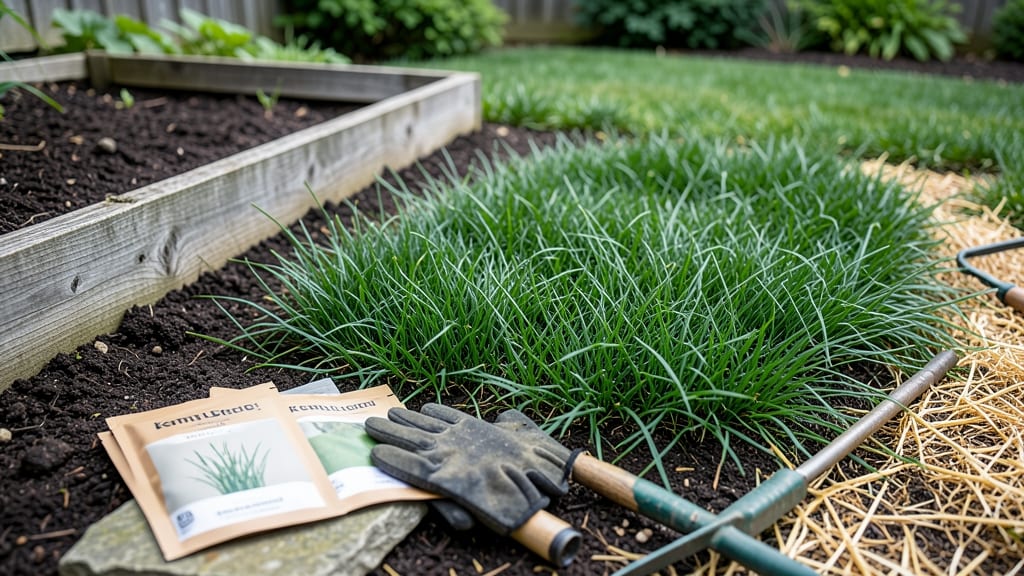
Planting grass seed in Minnesota at the right time ensures strong roots before winter or summer heat sets in — aim for early spring or late fall when soil temps hit 50–65°F.
Timing your grass seed planting in Minnesota can mean the difference between a lush, green lawn and a patchy, struggling yard—especially with the state’s unpredictable frost cycles and varied growing zones. One wrong move, and you’re stuck with weeds or slow growth, wasting money and effort.
Cool-season grasses like Kentucky bluegrass thrive when planted 4–6 weeks before the last frost (mid-May in most areas) or in early fall (October) to take advantage of cooler temps and steady rainfall. Southern Minnesota’s longer growing season gives a slightly later window, while northern zones demand earlier action.
Below, I’ll break down the exact frost-free windows by USDA zone, soil temperature checks, and how to adjust for microclimates—so you can skip the guesswork and get that even, vibrant lawn every neighbor envies.
Minnesota grass planting timeline by USDA hardiness zones
Minnesota’s USDA zones 3-5 create dramatic differences in frost dates and growing windows—meaning your grass seed timing must adapt from north to south.
In Zone 3 (northern MN), the last frost can arrive as late as May 20, while Zone 5 (southern MN) typically sees frost-free conditions by May 5. These differences affect when to plant cool-season grasses like Kentucky bluegrass or fescue for maximum success.
For all zones, the ideal soil temperature for planting is between 50–65°F. This window typically opens in early April for southern MN and mid-May for northern areas. Early fall planting (late August–September) is equally critical—grass seeds germinate well in cooler temps and establish roots before winter dormancy.
Below is a zone-by-zone breakdown of frost-free windows, ideal planting months, and soil temperature targets. Use this as your guide to avoid the #1 mistake of planting too early (seedlings freeze) or too late (summer heat stress).
| USDA Zone | Last Frost Date | First Frost Date | Ideal Planting Window | Soil Temp Range (°F) | Best Grass Types |
|---|---|---|---|---|---|
| Zone 3 (Northern MN) | May 20–June 5 | September 20–October 10 | Late April–May 15 OR Late August–September 10 |
50–65°F (April–May) 55–68°F (Aug–Sept) |
Tall fescue, Fine fescue, Ryegrass mix |
| Zone 4 (Central MN) | May 5–May 15 | September 25–October 5 | Early April–May 10 OR Mid-August–September 15 |
50–65°F (April) 55–68°F (Aug–Sept) |
Kentucky bluegrass, Fine fescue, Perennial ryegrass |
| Zone 5 (Southern MN) | April 25–May 5 | October 10–October 20 | March 20–April 30 OR September 1–October 1 |
50–65°F (March–April) 55–68°F (Sept–Oct) |
Kentucky bluegrass, Tall fescue, Buffalo grass |
Notice how Zone 5 can start planting as early as late March, while Zone 3 gardeners must wait until late April to avoid frost damage.
This is why soil temperature (not just calendar dates) is your best guide—use a soil thermometer ($10 at garden centers) to confirm readiness before planting.
For spring planting, aim to finish seeding 4–6 weeks before the last frost. In Zone 4, that means wrapping up by May 10, while Zone 5 can extend to April 30. If you miss this window, shift to late summer (August–September) for a second chance.
Fall planting is often more successful in Minnesota because cooler temps reduce weed competition and drought stress. Grass seeds germinate slowly in fall but establish deep roots before winter. In Zone 3, plant by September 10 to allow roots to harden off before frost.
Pro tip: If you’re in Zone 4 or 5 and experience an early frost warning, cover newly seeded areas with straw mulch (2–3 inches thick) to protect tender seedlings. This buys you 2–3 extra weeks of growth before winter sets in.
Finally, overseeding in late fall (October) is a game-changer for thinning lawns. Cool-season grasses like Kentucky bluegrass and fescue germinate well in 55–65°F soil, which is common in October. Just avoid planting if frost is forecast within 2 weeks—seedlings won’t survive.
Use this timeline as your Minnesota grass planting bible, and you’ll skip the trial-and-error of patchy lawns. The key? Soil temperature + frost dates—not just guessing by the calendar. Happy planting! 🌱
Signs your Minnesota soil is ready for grass seed (beyond dates)
Counting down frost dates is helpful, but your Minnesota soil might be ready for grass seed weeks before the calendar suggests. Instead of guessing, use these practical indicators to confirm your lawn is primed for planting—without waiting for a "perfect" date that may never arrive.
First, check the soil temperature at a depth of 4 inches. Cool-season grasses like Kentucky bluegrass and fescue thrive when soil temps consistently stay between 50–65°F. Use a soil thermometer ($10–$15 at garden centers) to test—morning temps are most accurate since afternoon sun can skew readings.
A moisture meter ($20–$30) is your next best tool. Grass seed needs consistent moisture to germinate, so aim for soil that feels like a wrung-out sponge—not soggy or bone-dry. If you’re in drought-prone southern Minnesota, water deeply 2–3 days before planting to prep the soil.
- 🌡️ Soil temp hits 50–65°F at 4" depth (use a thermometer for accuracy).
- 💧 Soil moisture reads 40–60% on a meter (or holds shape when squeezed).
- ❄️ Frost risk drops below 20% for the next 2 weeks (check Almanac or NOAA).
- 🌱 Weeds like chickweed or henbit are sprouting (signs of warming soil).
- ☀️ Days are 10+ hours long (spring) or 12+ hours (fall).
Don’t ignore frost depth, especially in northern Minnesota (Zones 3–4). Dig a 6-inch hole and check for ice—if the ground is still frozen below 4 inches, wait.
Pro tip: Cover the hole with a clear plastic lid (like a takeout container) for 24 hours to see if frost melts; if it does, your soil is thawing.
For early springs, like the one in 2021 when Minneapolis hit 80°F by March, adjust by planting cool-season grasses in late April instead of March. If you’re in late springs (like 2013’s delayed thaw), switch to warm-season grasses (e.g., buffalo grass) or overseed in early fall.
Finally, test for soil compaction—walk across your lawn. If your foot sinks slightly, the soil is loose enough for seeds. If it’s rock-hard, aerate 1–2 weeks before planting to improve seed-to-soil contact. Loose soil = faster germination. 🌱