
Plants
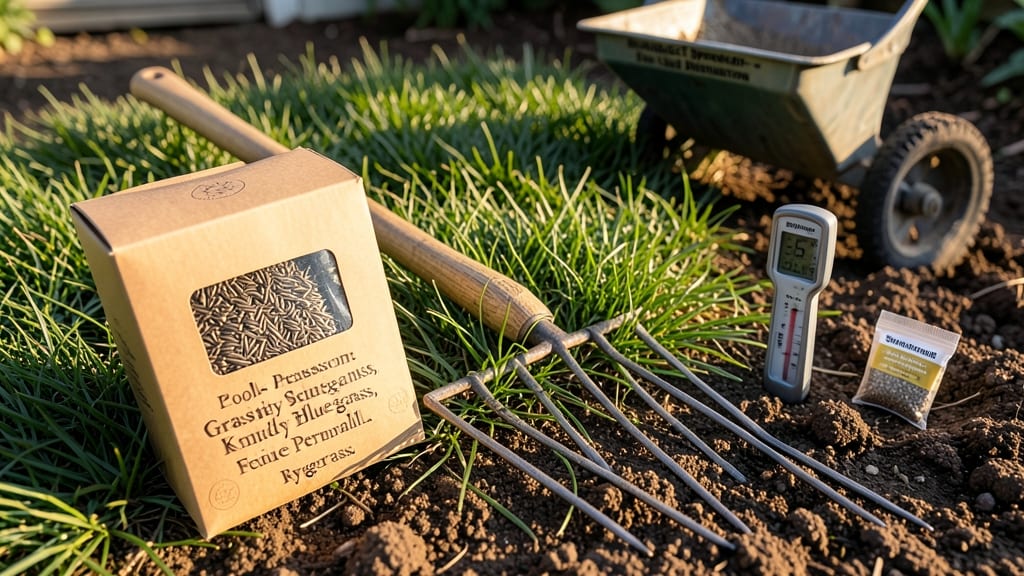
Planting grass seed in Massachusetts at the right time is the secret to a lawn that outlasts weeds and frost 🌱 — aim for early fall when soil stays warm but nights cool down.
Struggling to grow a lush, frost-resistant lawn in Massachusetts? Timing is everything—and planting grass seed at the wrong time can leave your yard thin and vulnerable to weeds.
The 6-week window between mid-September and late October is when pros swear by for cool-season grasses, giving roots time to establish before winter.
Why fall? Because spring planting often means battling weeds that sprout faster than your grass, while summer heat stresses new seedlings. Massachusetts’ 5b-7a climate zones make early autumn the sweet spot—cooler air reduces evaporation, and consistent rainfall keeps seeds moist without drowning them.
Below, I break down the exact steps for soil prep, seed selection, and post-planting care tailored to your region—so you can wake up next spring to a thick, green carpet instead of patchy bare spots.
Best time to plant grass seed in Massachusetts: fall planting window explained
If you're dreaming of a thick, vibrant lawn in Massachusetts, timing your grass seed planting is the secret weapon. While spring planting gets all the attention, fall planting actually gives your grass a head start—thanks to cooler temps and optimal moisture before winter.
The 6-week window from mid-September to late October is when pros in MA swear by for the best results. This isn’t just guesswork; it’s backed by soil temperatures, rainfall patterns, and frost timing specific to our state’s unique zones.
Massachusetts isn’t one-size-fits-all when it comes to gardening. Coastal areas like Cape Cod and Boston have milder microclimates, while inland regions like the Pioneer Valley or Berkshires can see earlier frosts. That’s why nailing the planting window means adjusting for your specific corner of the state.
For example, coastal zones might push planting a week later than inland areas, where soil cools faster after Labor Day. Let’s break down the science—and the simple steps—to get your lawn off to the best possible start.
Why fall? Cool-season grasses like Kentucky bluegrass, tall fescue, and fine fescue (the stars of MA lawns) thrive when planted in early fall. Here’s why: Soil temperatures hover between 50°F and 65°F, perfect for seed germination. Meanwhile, weeds slow down, giving your grass seedlings a competitive edge. Plus, fall rains (yes, they happen!) provide natural irrigation, reducing your watering workload. By the time winter hits, your grass will have deep roots ready to bounce back in spring—no thin, patchy lawn here.
Let’s talk soil temperatures, because this is where science meets your shovel. The ideal range for planting grass seed in MA is between 50°F and 65°F. In mid-September, most of the state sits at 60°F–68°F, but by late October, temps drop to 45°F–55°F.
If you plant too early (think August), the heat stresses seeds. Too late (November), and frost locks them out. Use a soil thermometer to check—if temps dip below 45°F, it’s time to pause. Pro tip: Morning soil temps are the most accurate gauge for planting decisions.
Rainfall is another wildcard in MA’s fall planting window. September and October bring consistent precipitation, but coastal areas often get more moisture than inland spots. Aim to plant when 1–1.5 inches of rain is forecast in the first 2 weeks after seeding.
If Mother Nature skips the show, you’ll need to water deeply (1/2 inch per week) to keep seeds from drying out. Early mornings are the best time to water—this prevents fungal diseases that thrive in damp evening air.
Now, let’s address the biggest myth: "Spring planting works just as well." Not in Massachusetts! Spring brings fast-growing weeds that outcompete grass seedlings. Plus, summer heat can stress young plants before they establish roots.
Fall planting gives your grass 3–4 months to grow before winter dormancy, resulting in a thicker, greener lawn next spring. Think of it like giving your lawn a head start on the growing season.
What about warm-season grasses? If you’re planting Bermuda grass or Zoysia (less common in MA but used in some southern parts of the state), the rules flip. These grasses prefer late spring to early summer planting (May–June), but they’re not ideal for our cooler climate. Stick with cool-season grasses for the best results in MA.