
Plants
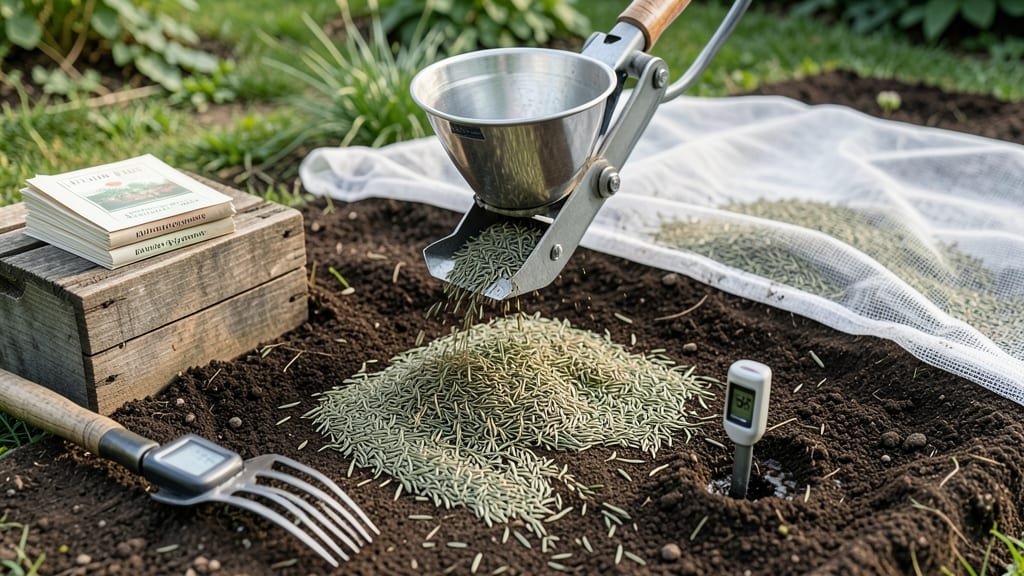
Planting grass seed in Maine at the right time is the key to a thick, green lawn that survives harsh winters and humid summers.
Maine’s unpredictable climate—from harsh winters to humid summers—can make timing your grass seed planting the difference between a lush lawn and wasted effort. Miss the frost-free window, and your seed could freeze, rot, or fail to establish roots.
For most of the state, the best window is early spring, once the soil warms to 50-55°F and the last frost has passed. But coastal areas like Portland may see earlier planting, while inland zones like Bangor need to wait until late April or early May.
In this guide, I’ll break down the exact planting timeline by USDA Zone, soil prep tips, and how to adjust for Maine’s tricky weather—so you can finally get that grass 🌱 growing strong.
Maine’s frost-free planting zones: best months by region (2024 guide)
Timing your grass seed planting in Maine depends entirely on your USDA hardiness zone and local microclimates. The state spans USDA Zones 4-6, with coastal areas (like Zone 5b) warming earlier than inland regions (like Zone 6a).
For best results, plant when soil temperatures hit 50-55°F—this ensures strong germination before summer heat arrives.
Southern Maine (e.g., Portland, Biddeford) typically sees its last frost date around April 15-20, while Northern Maine (e.g., Bangor, Presque Isle) often waits until May 1-10.
Central Maine (e.g., Auburn, Waterville) falls in between, with frost-free windows opening around April 25-May 5. Always check your local Almanac frost data for precision.
Early fall planting (late August-early September) is another golden window for Maine lawns. This allows grass roots to establish before winter dormancy, giving you a head start in spring. Just ensure your seeds have 4-6 weeks of warm soil before the first frost hits—usually by mid-October.
Soil temperature is critical for germination. Use a soil thermometer to confirm conditions: 50-55°F for cool-season grasses (like Kentucky bluegrass) and 60-65°F for warm-season varieties (like Bermuda grass, though rare in Maine). Most Maine lawns thrive with cool-season grasses, so aim for spring or early fall.
Here’s a quick breakdown of your ideal planting windows by region, including soil temp and last frost benchmarks:
| Region | USDA Zone | Last Frost Date | First Frost Date | Best Planting Months | Soil Temp for Planting |
|---|---|---|---|---|---|
| Southern Maine | 5b | April 15-20 | October 10-15 | April-May, Aug-Sept | 50-55°F |
| Central Maine | 5a-6a | April 25-May 5 | October 5-10 | May-June, Aug-Sept | 50-55°F |
| Northern Maine | 4b-5a | May 1-10 | September 20-Oct 5 | May-June, July | 55-60°F |
If you’re planting in Southern Maine, start as early as late March for Kentucky bluegrass or fine fescue, but wait until after April 15 to avoid frost damage.
Inland areas should delay until mid-May to ensure stable soil warmth. For fall planting, aim to finish by September 1—this gives roots time to anchor before winter.
Coastal areas enjoy milder microclimates, so their frost-free windows open 2-3 weeks earlier than inland spots. For example, Bar Harbor might see grass germination by early April, while Greenville (inland) waits until late April. Always scout your yard for frost pockets—low-lying areas can stay cold longer, delaying planting.
Pro tip: Use a frost cloth if planting early and a late frost threatens. Cover seedlings with lightweight fabric and secure edges with bricks or soil to prevent wind damage. Remove covers during the day to allow sunlight for photosynthesis.
For Northern Maine, focus on late May-early June planting. The soil may still be cool, so opt for fine fescue or perennial ryegrass, which tolerate cooler conditions better than Kentucky bluegrass.
If you’re in Zone 4b, consider waiting until June 1 to ensure soil temps stay above 55°F.
Remember: Grass seed needs consistent moisture to germinate. After planting, water lightly but daily (about ¼ inch) until sprouts appear, then gradually reduce to 1-1.5 inches per week. Use a rain gauge to track rainfall and adjust your watering schedule accordingly.
How to adjust your planting timeline for Maine’s unpredictable weather
Maine’s weather can shift faster than a summer storm, leaving your grass seed vulnerable to late frosts, heavy rains, or even drought stress. Even if you’ve nailed your planting window, unexpected weather can derail your lawn’s success.
The key is flexibility—adjusting your approach based on real-time conditions rather than sticking rigidly to a calendar.
Start by testing your soil pH and moisture levels before planting. Most Maine lawns thrive in slightly acidic soil (pH 6.0-7.0), but cool-season grasses like Kentucky bluegrass prefer the upper range.
Use a soil test kit (available at garden centers) to check—amend with lime if pH is too low or sulfur if it’s too high. Well-drained soil is critical; compacted or waterlogged areas will stunt germination.
⚠️ WARNING: Late Frost Risks ⚠️
If frost is forecasted within 7-10 days of planting, delay until soil temps consistently stay above 50°F for 5+ days. For early spring plantings, use frost blankets or row covers to protect seedlings. Remove covers by 10 AM daily to prevent overheating. In Northern Maine (Zone 4b), wait until June 1 to avoid frost entirely—even late May can bring surprises.
For heavy rain or drought, choose the right grass seed blend. Fine fescue tolerates shade and moisture fluctuations better than Kentucky bluegrass, while perennial ryegrass germinates faster in cool, wet conditions.
If drought hits, water deeply 2-3 times per week (1-1.5 inches total) rather than daily light sprinkles. Let the top inch of soil dry between waterings to encourage deep root growth.
Mulch is your best friend during Maine’s erratic weather. Apply straw mulch (not wood chips) at ¼-inch depth after planting to retain moisture and regulate soil temperature.
Mulch also suppresses weeds, reducing competition for nutrients. In coastal areas, where humidity is higher, mulch helps prevent fungal diseases like dollar spot.
Monitor your lawn’s progress with a soil thermometer and weather alerts. Apps like Old Farmer’s Almanac or Weather Underground provide hyper-local forecasts. If a heatwave hits after planting, shade seedlings with shade cloth (30-50%) to prevent desiccation.
For late-season plantings (August-September), aim to finish by September 15—this gives roots 4-6 weeks to establish before winter dormancy.
Pro tip: Overseed in fall if your spring planting struggled. Cool temperatures and frequent rains in September-October create ideal conditions for grass seed germination. Use a slit seeder to ensure even coverage, and fertilize lightly with high-nitrogen (10-0-10) to boost root growth before winter.
With these adjustments, your Maine lawn can thrive—no matter what the weather throws at it. 🌱